
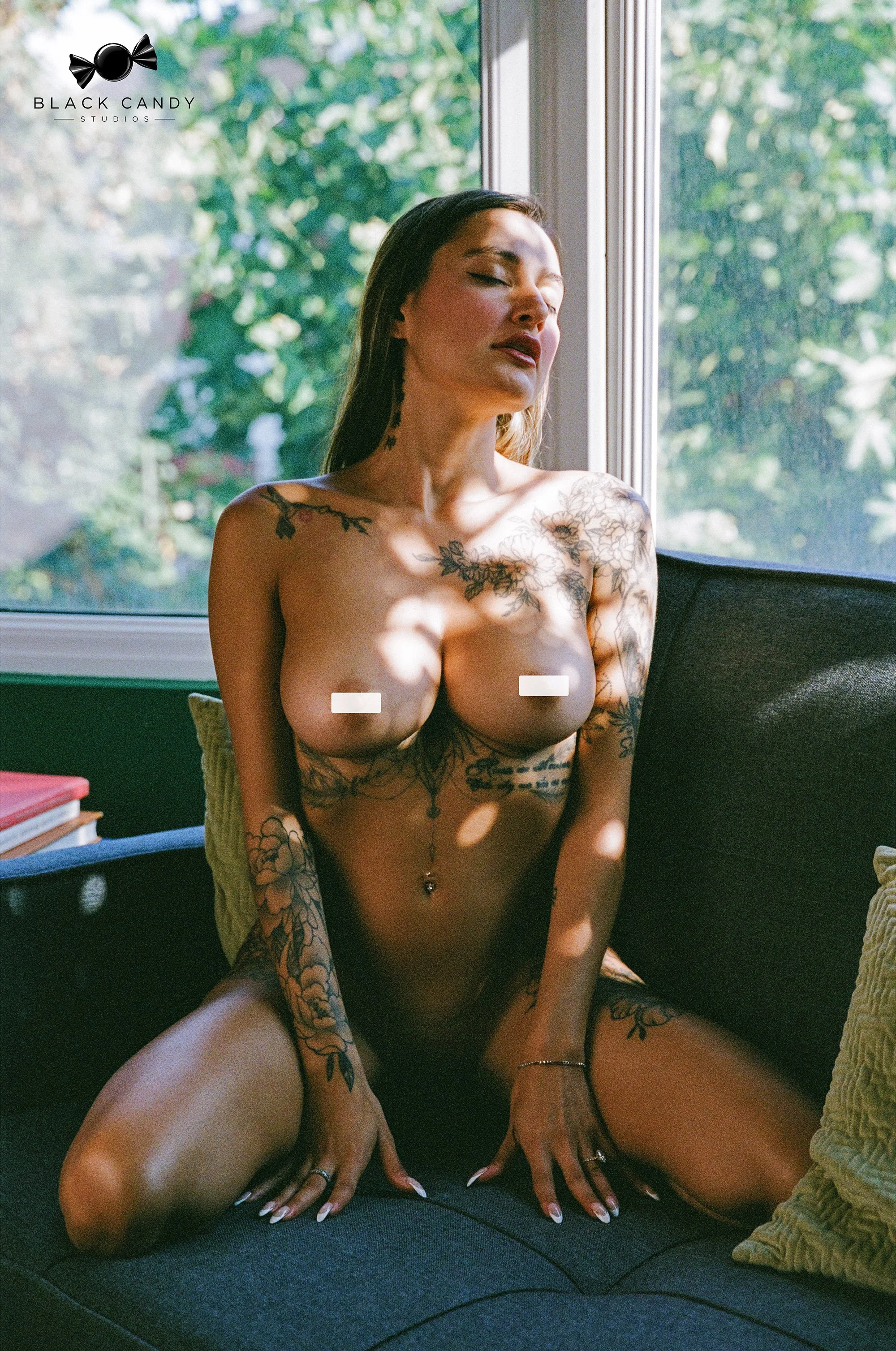
Painting With Natural Light — A Morning on Film.
There is something about natural light that I truly love and that I’ve never been able to completely replace with flash. You can imitate its direction, soften it, warm it, bounce it and control it, but sunlight has its own personality…
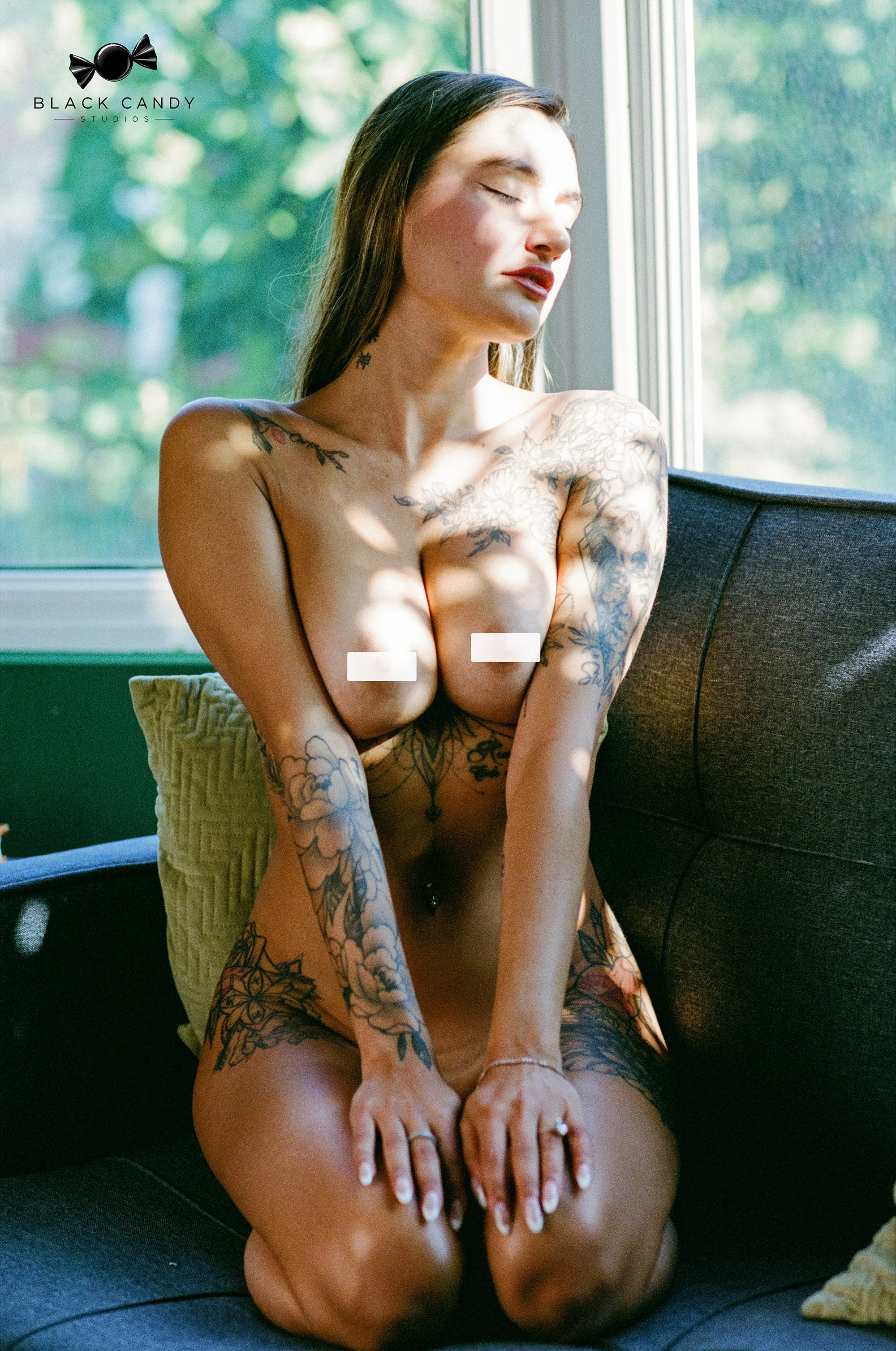
There is something about natural light that I truly love and that I’ve never been able to completely replace with flash.
You can imitate its direction, soften it, warm it, bounce it and control it, but sunlight has its own personality. It changes from minute to minute. It moves across a room, disappears behind a cloud, catches the edge of a face and then, a few moments later, it’s gone.
For this nude photography session, I wanted to work with that beautiful unpredictability.
Scouting the Light
Before the shoot, I scouted the location specifically to understand what the sun was doing.
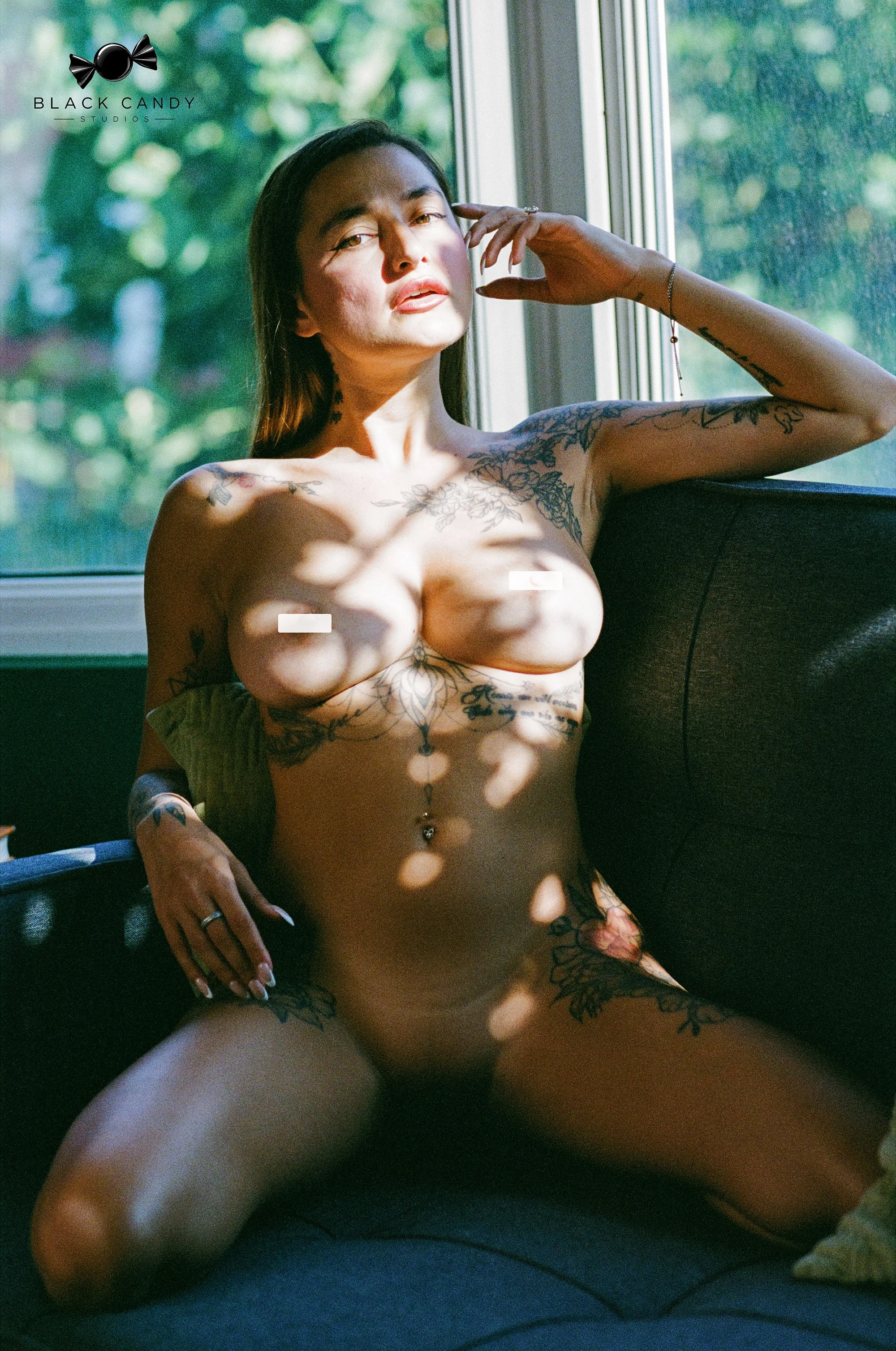
The room had beautiful windows looking through the surrounding trees, but having a large window doesn’t necessarily mean having beautiful light. What mattered was finding that short period when the angle of the morning sun would make its way through the branches and actually enter the room.
I worked out that the sweet spot was roughly 8:30–10:00 in the morning.
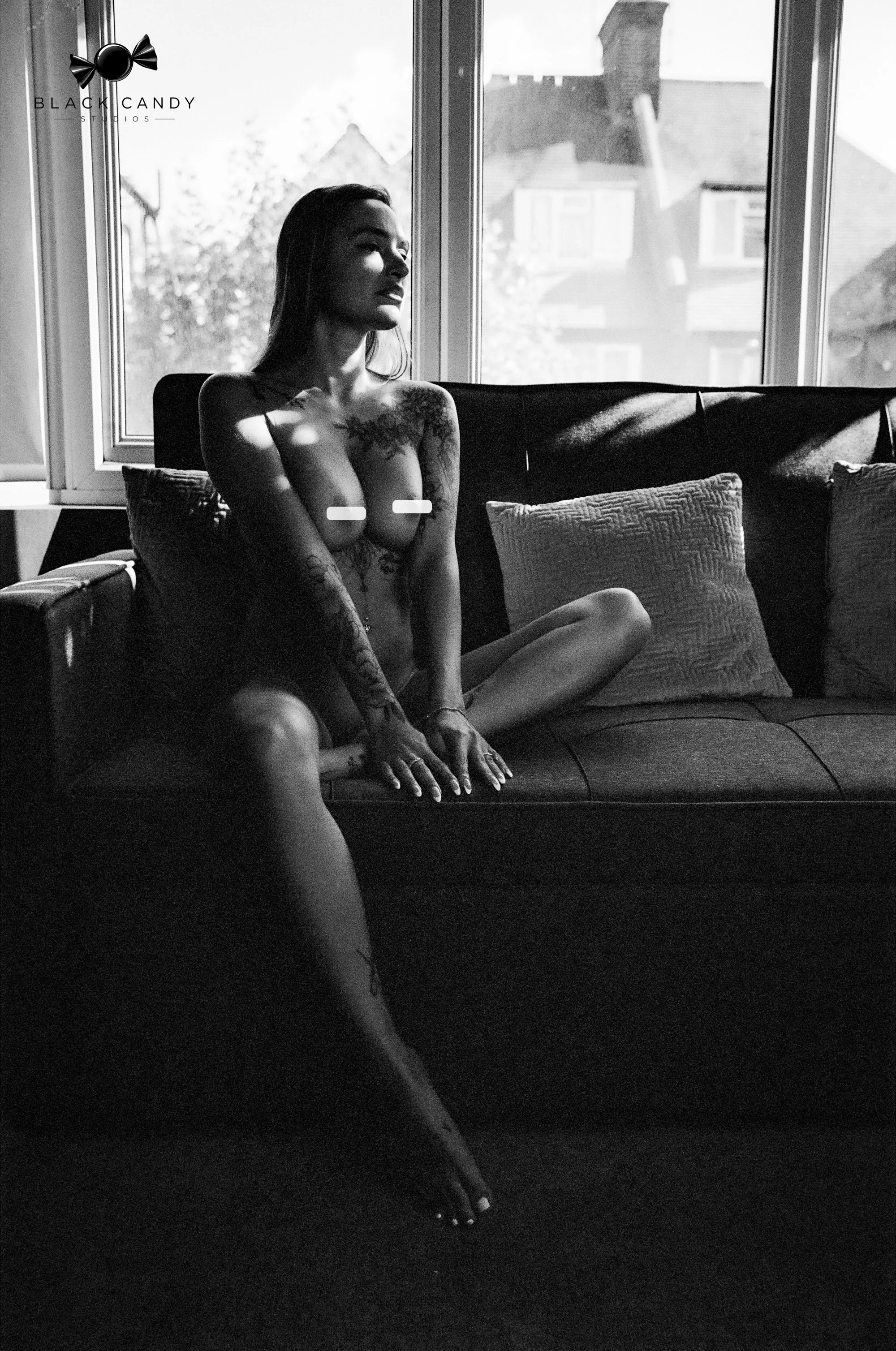
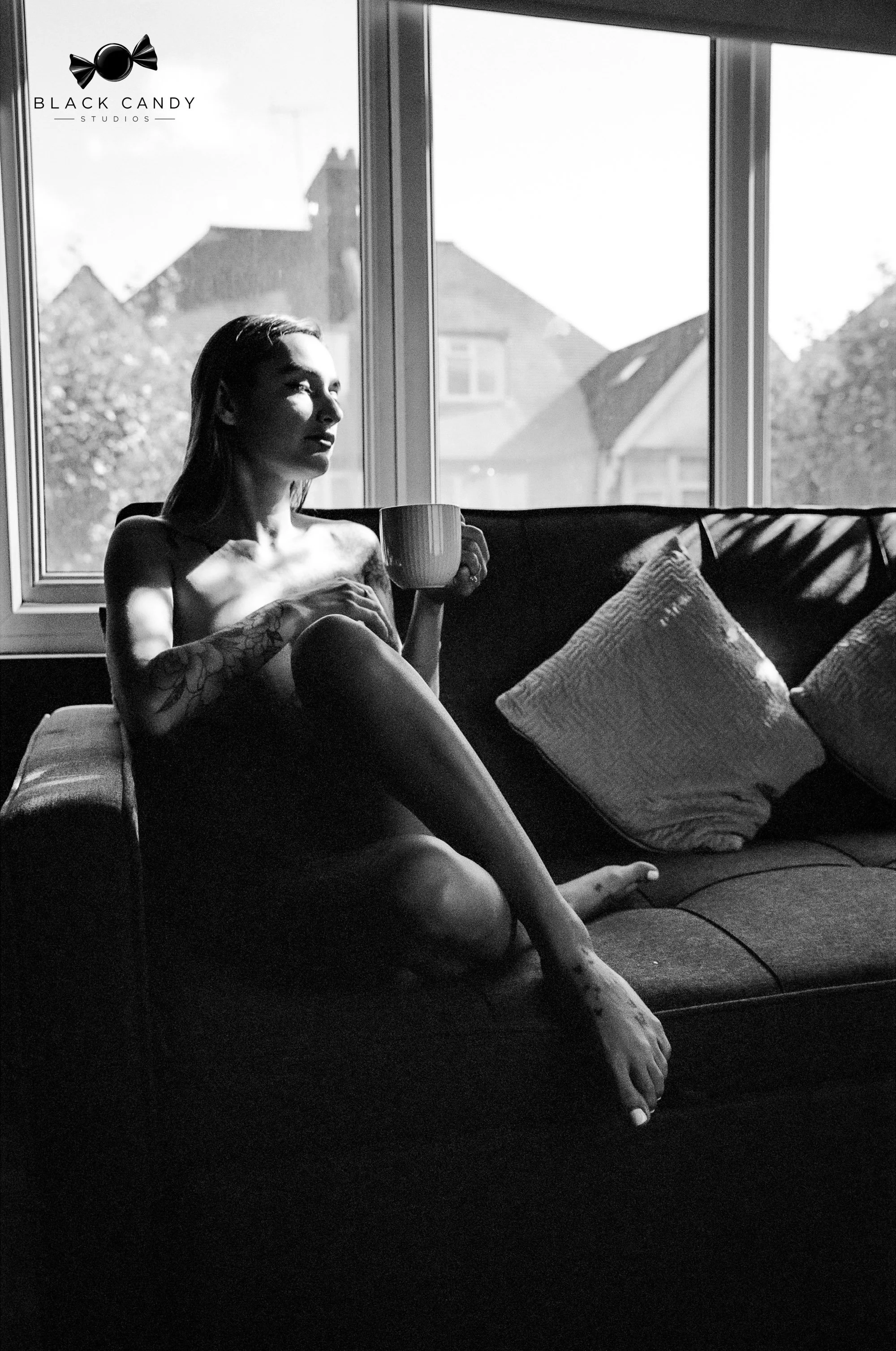
At that time, the sunlight filtered through the trees before reaching the windows, breaking the light into patches of brightness and shadow. Instead of the room being evenly illuminated, the trees were effectively shaping the light for me. That was exactly what I wanted.
I love light that has imperfections. Light that falls across only part of the body. Light that creates deep shadows and leaves something for the imagination. With nude photography especially, I find that what the light chooses not to reveal can be every bit as important as what it illuminates.
A Little Help With the Shadows
Although the sunlight was the main character, I didn’t leave everything entirely to nature.
I used an Aputure Amaran 300c with a large 120cm octabox to gently fill the shadow side of the model. The important word here is gently.
I didn’t want the artificial light to announce itself. The idea wasn’t to flatten the beautiful contrast I had gone to the trouble of scouting in the first place. I simply wanted to bring a little detail back into the deeper shadows and give the film something more to work with.
The 120cm octabox gave me a large, soft source that wrapped around the body beautifully. I kept it sympathetic to the existing window light, using it more like a painter might add a small amount of colour to an area of a canvas rather than trying to repaint the whole picture.
For me, this is where artificial light becomes most interesting, not when you can immediately see that a photograph has been lit, but when you're not quite sure where the natural light ends and my light begins.
Keeping the Set Simple
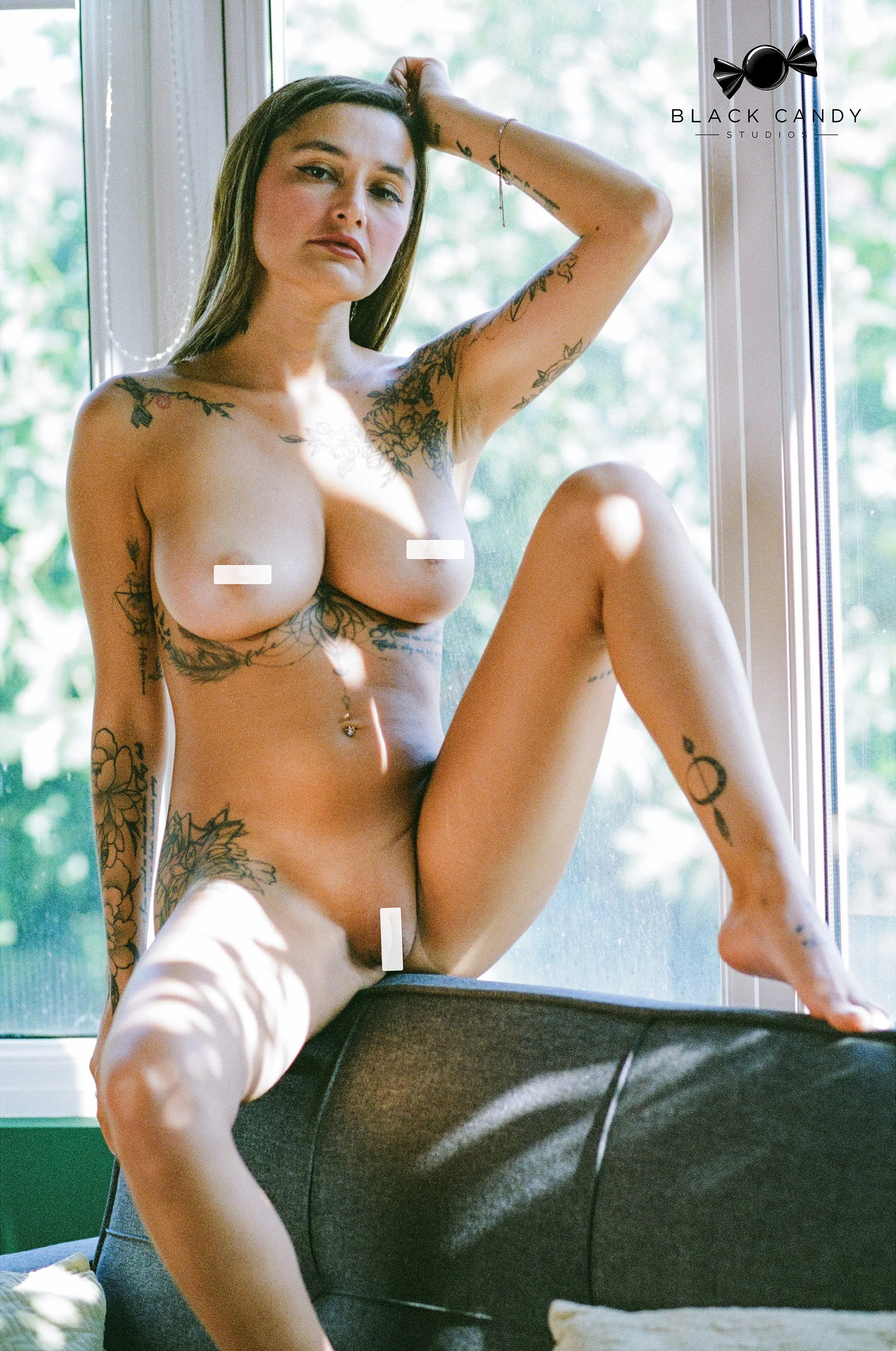
The setup itself was deliberately uncomplicated. A simple sofa, a small side table and a few books. That was essentially it.
I didn’t want to construct an elaborate set because the room already had everything I needed. The sofa gave the model somewhere natural to sit, recline and move without the photographs feeling overly posed. The books on the side table added a little sense of everyday life as though we had simply wandered into a quiet room one morning and happened to make photographs there. I like that balance between intimacy and normality.
The nude figure doesn’t always need an exotic location or dramatic styling. Sometimes an ordinary interior makes the photograph more interesting. The contrast between the everyday surroundings and the beauty of the human form creates its own tension.
And, of course, having a beautiful model who understood the mood I was trying to create made the simplicity work. Rather than forcing poses, we could concentrate on small movements, gestures and the relationship between her body and the changing light.
My Beloved Canon EOS-1N
For the shoot I used my beloved Canon EOS-1N, paired with the Canon EF 85mm f/1.2L II. Why? At portrait distance, backgrounds disappear without completely losing their character, while skin and little fragments of the scene seem to emerge from the softness.
With an 85mm, I also have to give the model some physical space. I’m not standing right on top of her with a wide lens. That distance changes the atmosphere of a nude shoot. It allows the model room to exist within the scene while I observe and wait for things to happen.
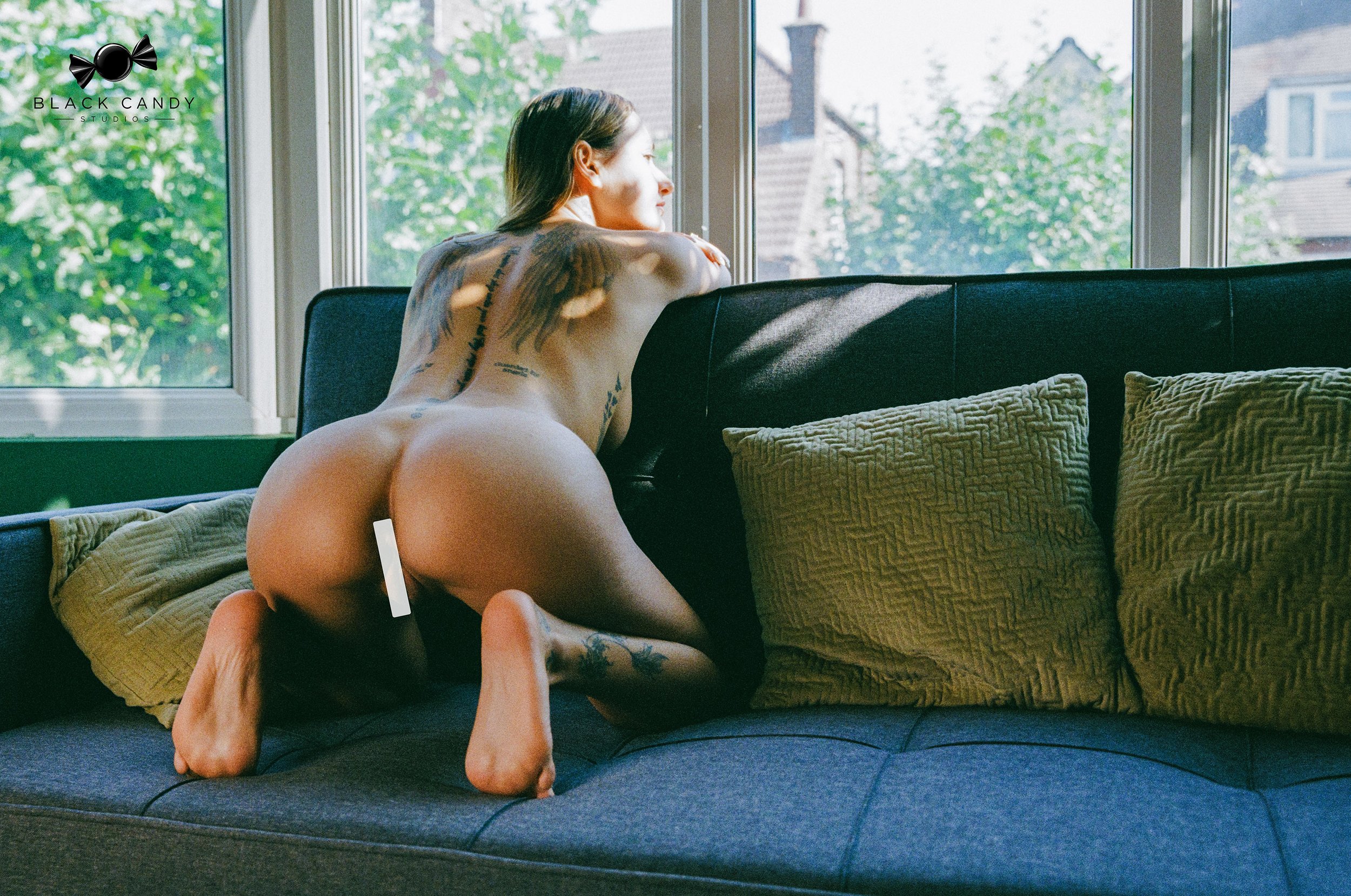
I shot the session across three films: Kodak Portra 400, Kodak Portra 800 and Ilford HP5 Plus. Portra 400 is one of those films I keep coming back to. There is something wonderfully restrained about it, beautiful skin tones, gentle colour and enough latitude to deal with the difference between bright window light and the shadows deeper inside a room.
Portra 800 gave me a little more freedom as the light changed, particularly when the sun disappeared momentarily behind the trees.
And then there was HP5. Black and white changes the way I look at a scene. Colour makes me notice the room, the furniture, skin tones and the warmth of the morning. With HP5, much of that disappears. Suddenly I’m looking at shape, grain, highlights, shadows and the geometry of the body. The same scene becomes something completely different.
That is one of the reasons I enjoy carrying both colour and bw film. I’m not simply recording the same photograph in two different formats. I start seeing differently depending on what is loaded in the camera.
Painting With Light
Despite bringing a 300c and a rather enormous octabox into the room, this was still very much a natural-light shoot in spirit. The sun established the photograph. I simply helped it along.
There was no complicated lighting diagram and no attempt to make every frame perfectly consistent. The morning sunlight came through the trees, moved across the windows and gradually changed the room. My job was to watch it, position the model within it and use the octabox just enough to control what happened in the shadows.
Sometimes a patch of sunlight would move across the sofa. The model would turn slightly. The light would catch her shoulder while the rest of her body fell away into shadow. You focus. You press the shutter. And then the light moves on.
That is probably what I enjoy most about photographing the nude figure on film. There is an element of surrender involved. I can scout the location, choose the time, select the lens, load the film, position the fill light and create the environment, but I can’t completely control what happens.
Nor do I want to.
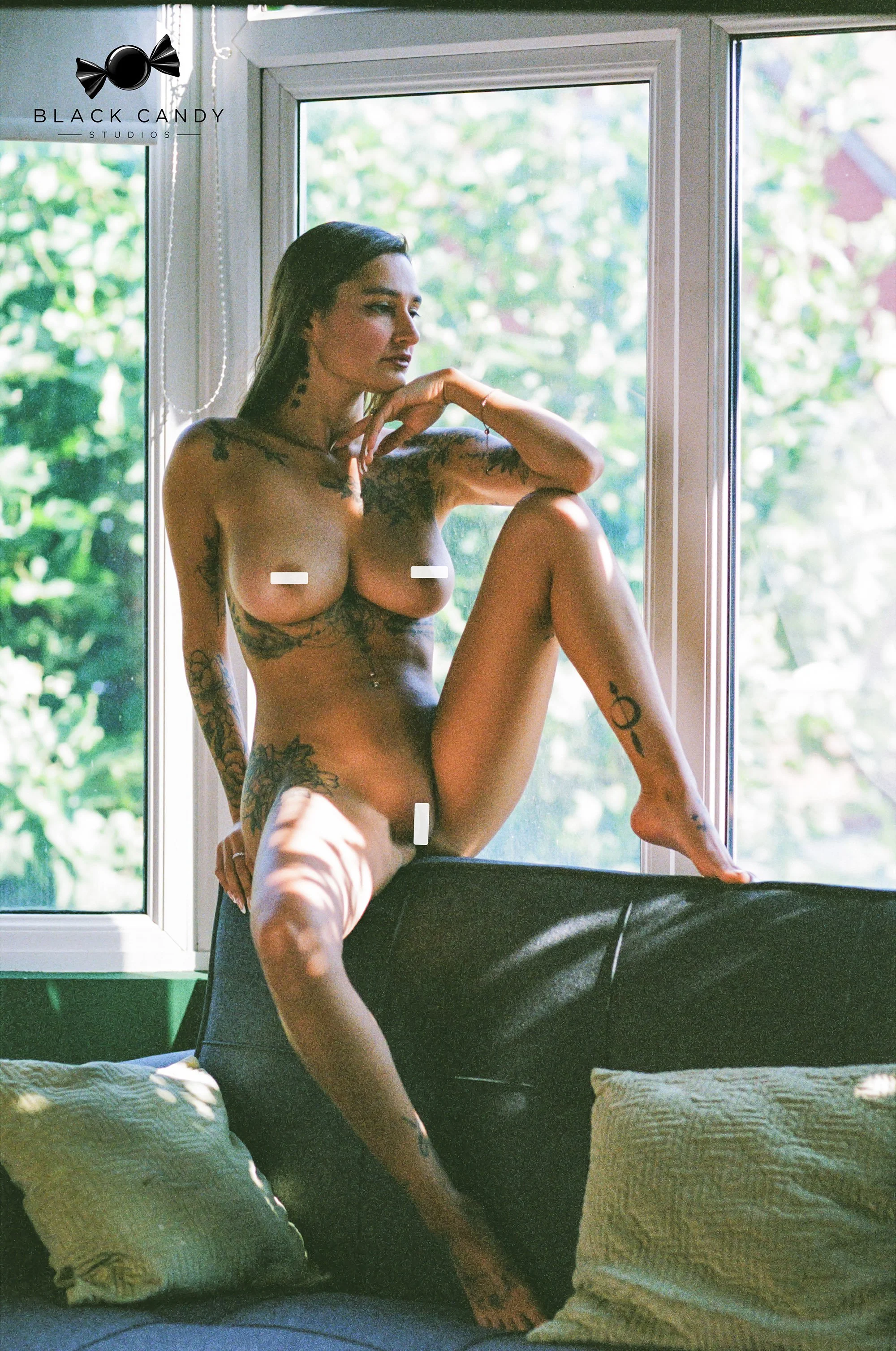
Sometimes photography is less about manufacturing an image and more about putting yourself in the right place, with the right person, at the right time and then knowing when to interfere and when to leave things alone.
The sun does most of the painting.
I just add a few brushstrokes…
Forget the Whole Body: Why I Love Getting Close with an 85mm Lens
There seems to be an unwritten rule in nude photography that if you have a beautiful model in front of you, you should somehow manage to fit all of them into the photograph. Head, hands, feet, everything neatly accounted for…
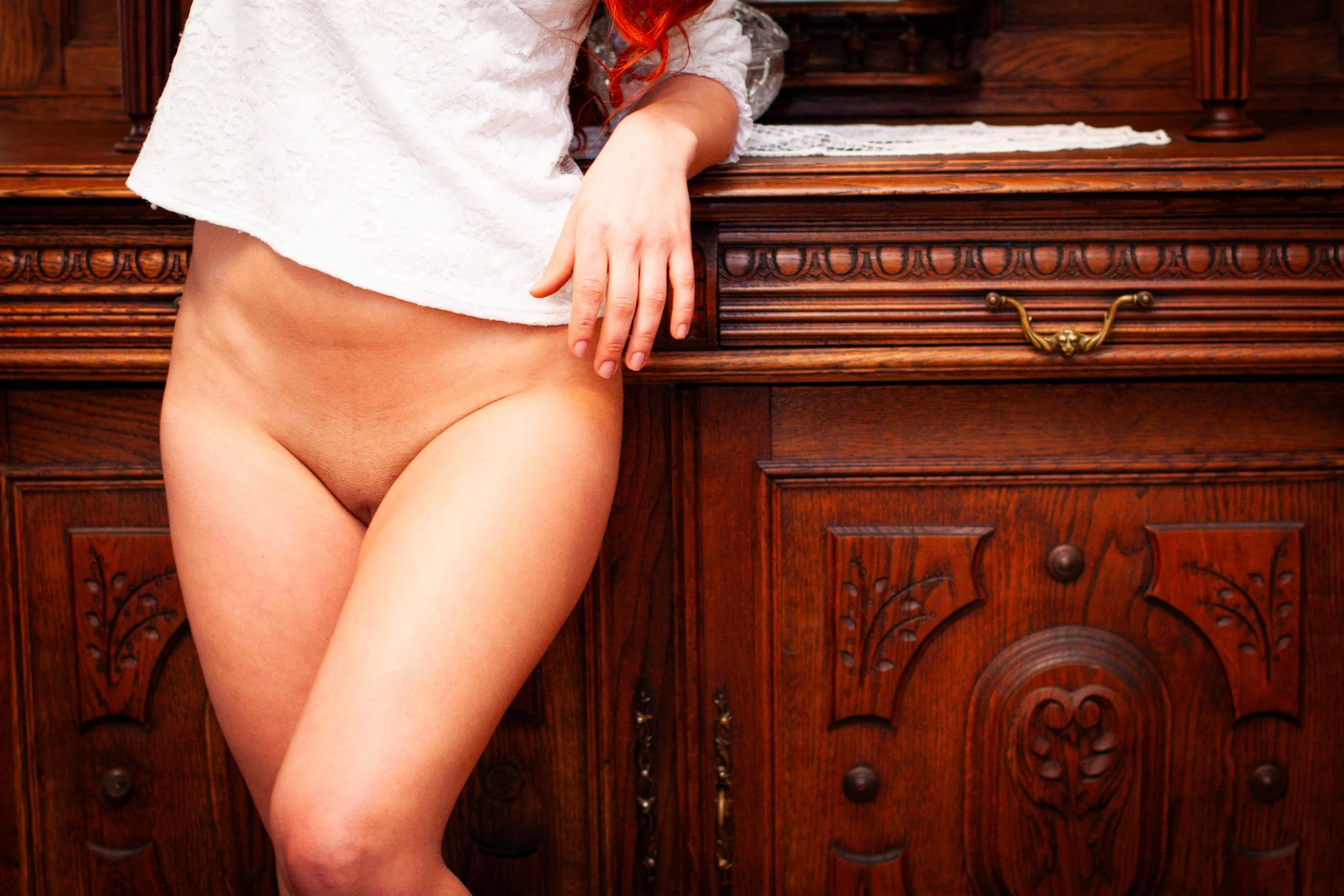
There seems to be an unwritten rule in nude photography that if you have a beautiful model in front of you, you should somehow manage to fit all of them into the photograph. Head, hands, feet, everything neatly accounted for. I disagree. Sometimes the most interesting thing you can do is attach an 85mm prime, get close and deliberately start losing bits of your subject. And yes, I realise how suspicious that sentence sounds.
The 85mm is normally introduced as a portrait lens. Beautiful compression, flattering perspective, lovely background separation, all the usual photography vocabulary that makes us sound considerably more sophisticated than we actually are while crawling around on the floor looking for an angle. But in nude photography, I think the 85mm becomes something else. It becomes a detail lens for the human form. Instead of thinking, How do I photograph this person?, you start thinking about shape, line, texture and geometry. A shoulder becomes a landscape, the curve of a back becomes the entire composition, and hands, neck, hair, knees, hips, shadows and fragments of the body suddenly become photographs in their own right. You stop documenting a pose and start extracting images from it.
Photographers can become strangely nervous about cropping bodies. I've cut off the foot! Good. The elbow is outside the frame! It will survive. I can't see the model's face! Excellent. Now we're getting somewhere. With an 85mm, especially in a relatively small space, you often physically cannot include everything, and rather than treating that as a limitation I like to make it part of the visual language. Crop aggressively. Let the body enter and leave the frame. Allow a shoulder to disappear, photograph half a face, fill the frame with a back, an arm or the relationship between two intersecting shapes. There is no photography police unit waiting outside because you cropped someone's ankle. At least I hope not.

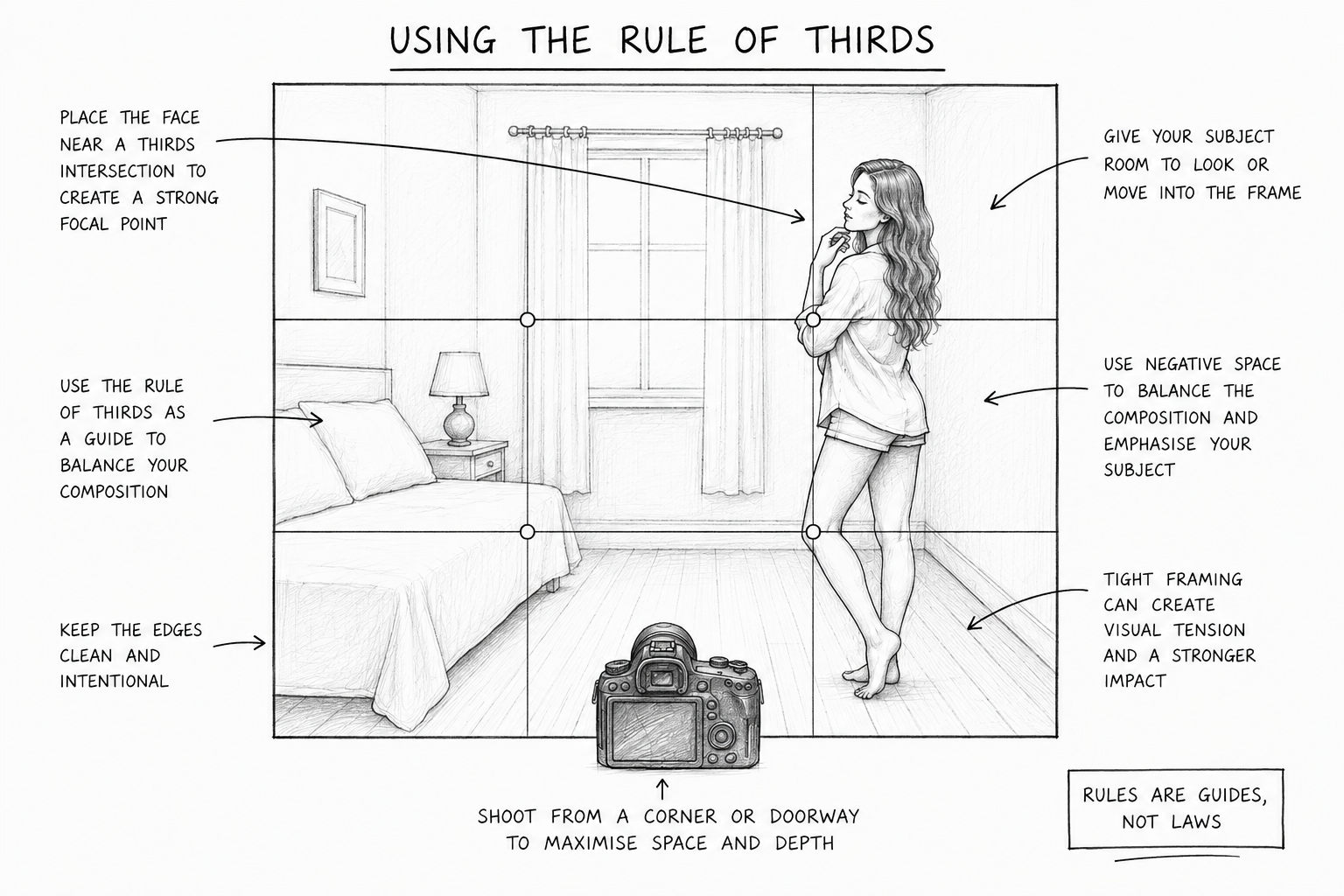
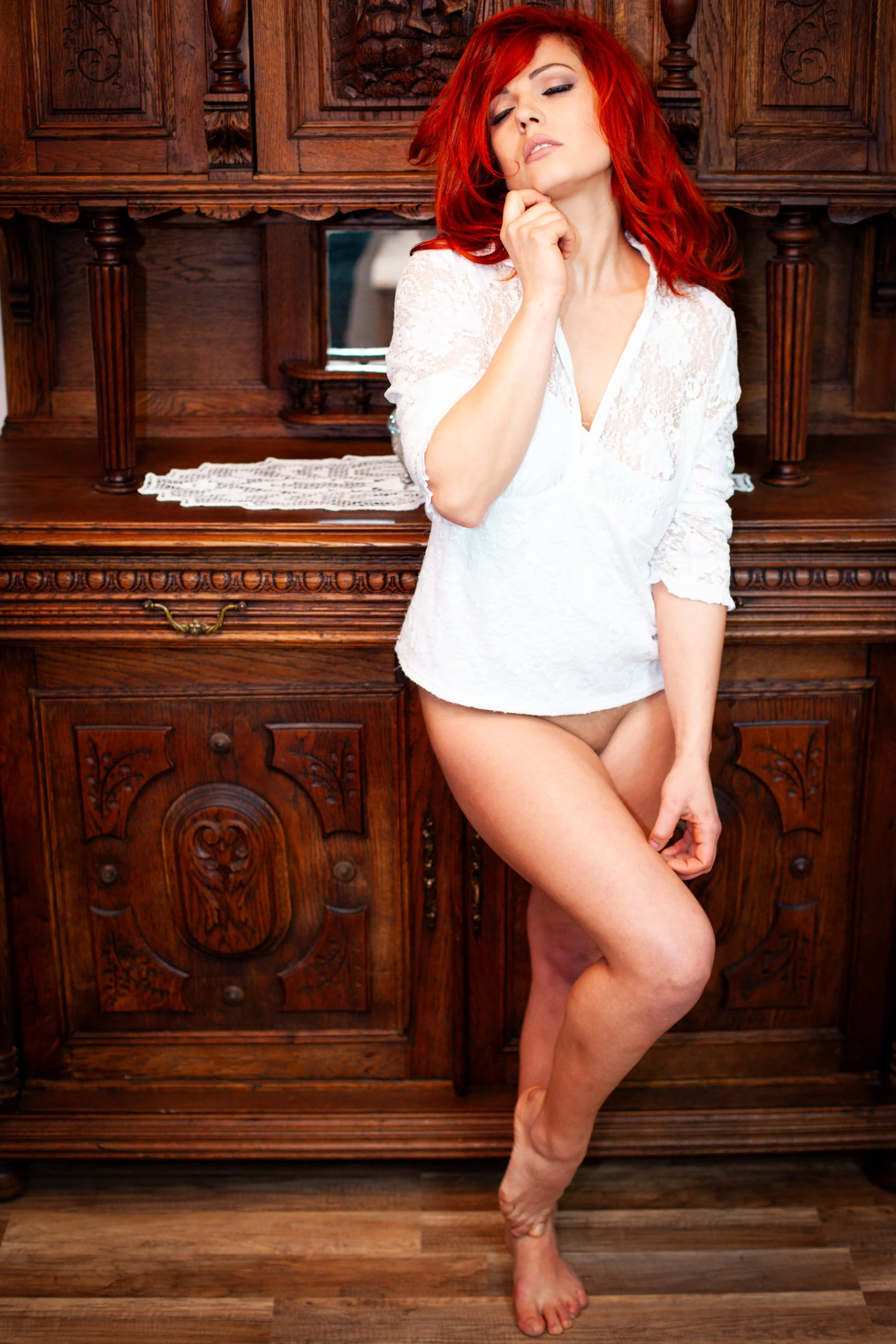
But getting close doesn't mean you have to crop the body. In fact, another approach I really enjoy with the 85mm is squeezing the entire figure into the photograph and deliberately bringing it very close to the edges of the frame. Normally we're taught to leave comfortable breathing room around the subject, but sometimes I don't want comfortable. I want the composition to feel compressed and contained. The head can sit close to the top edge, a foot can approach the bottom corner and an arm can almost escape from the side. The important thing is that it still feels intentional rather than looking as though I simply forgot where the edges of my viewfinder were.
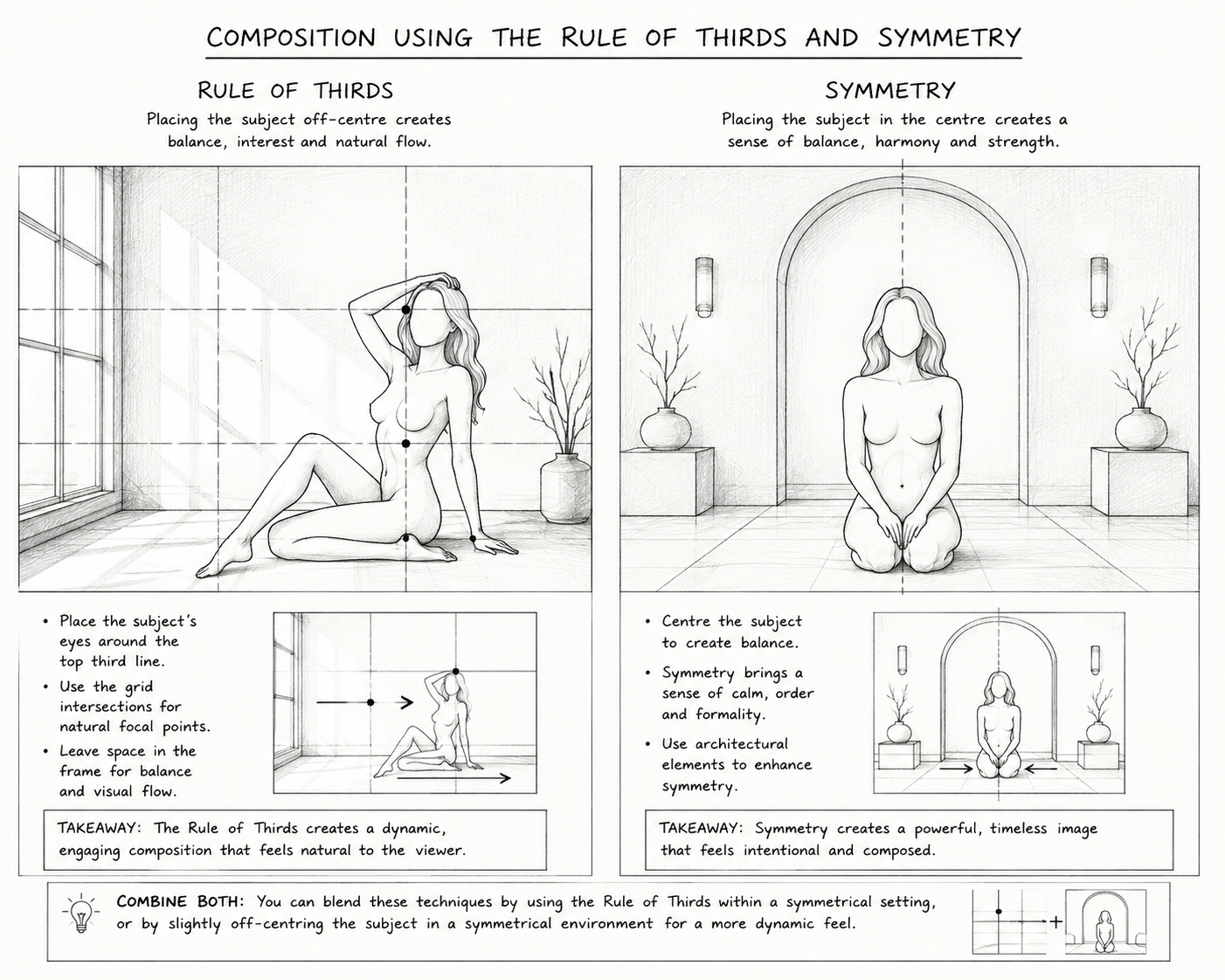
This is where keeping some kind of compositional rule helps. The rule of thirds is an obvious one. Even when the whole body is tightly contained within the frame, I can position the face, torso, hips or another important visual element around those thirds. The model might run diagonally through the frame while the face sits near an upper intersection, or the body might occupy two-thirds of the image with negative space taking the remaining third. You don't have to become a slave to the grid photography has enough rules already—but having some underlying structure means you can push the model extremely close to the frame edges without the photograph feeling accidental. Break the comfortable spacing, but keep the composition.
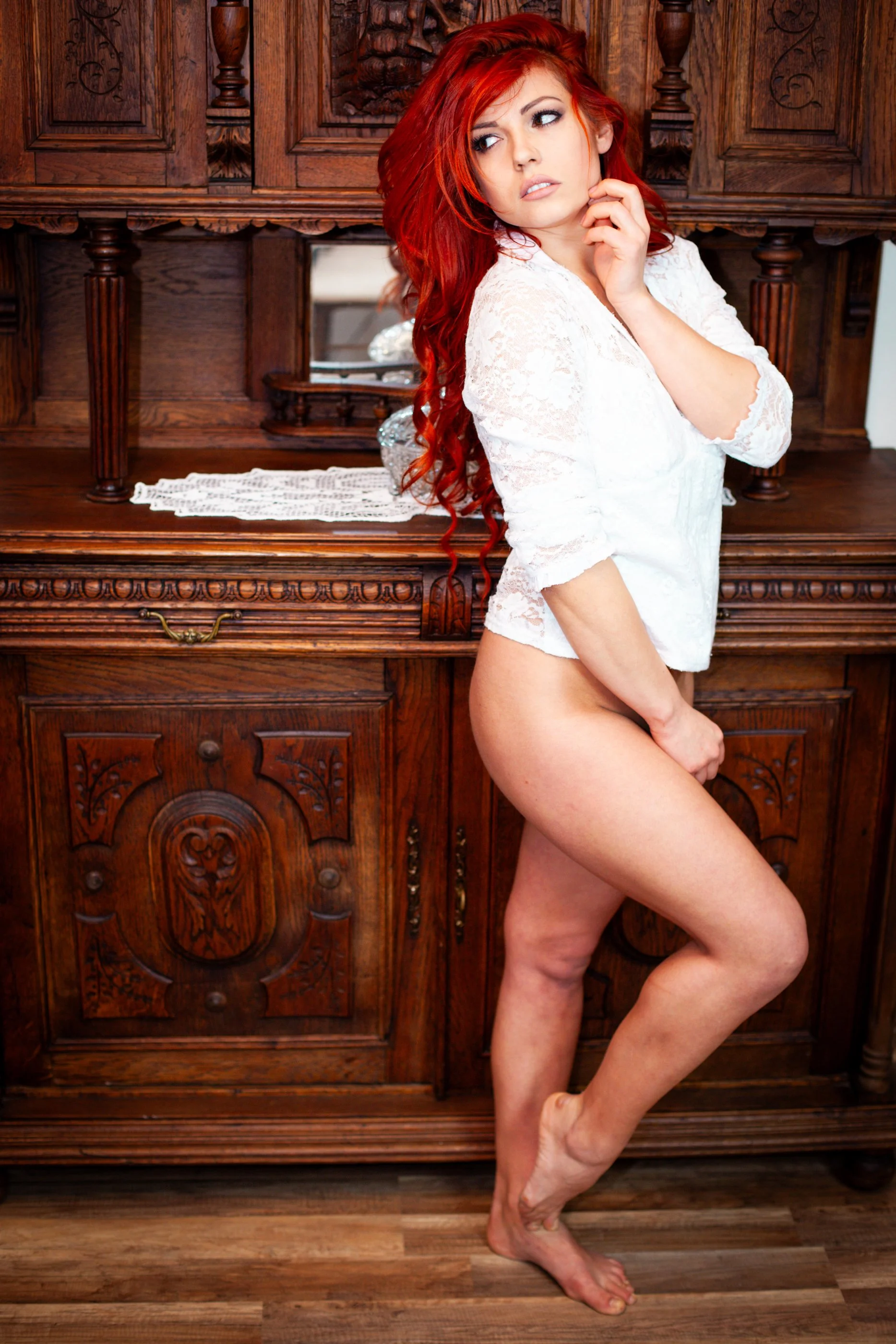
One of the reasons I enjoy an 85mm so much is the way it renders perspective. With wider lenses, especially when working close, whatever is nearest the camera can become exaggerated. Sometimes that's exactly what I want, but an 85mm gives me something very different. It feels calmer, more compressed and more graphic. This becomes particularly interesting when the model is curled up, leaning forward, sitting on a chair or creating overlapping shapes with arms and legs. Those layers seem to stack together. Suddenly you're not photographing a person sitting on a chair. You're photographing triangles, curves, negative space, skin, shadow and light. The chair itself may only appear as one mysterious wooden line entering the corner of the frame. Perfect. The viewer doesn't need an architectural survey of the room.
This is also why the 85mm is brilliant when your location isn't exactly Versailles. Maybe you've got a small room, one chair, a wall, a window and approximately seventeen centimetres between yourself and a wardrobe. Welcome to glamour. A longer focal length allows you to exclude enormous amounts of visual rubbish. You don't need the entire room to work; you only need a tiny section of it. A plain wall can become a studio background, a window can become your entire lighting setup and one interesting chair can provide enough posing possibilities for half a shoot. Rather than constantly changing locations, props, outfits and lighting setups, I can keep the model in roughly the same place and change my own position. Higher, lower, closer, slightly to the side, shooting through hair, across a shoulder or from behind. Move twenty centimetres and suddenly it is a completely different photograph.

Close framing also changes the emotional character of nude photography. A full-body photograph often tells us about the pose and the environment, while a tightly framed photograph asks us to notice something smaller: a gesture, a hand resting against skin, the direction of the face, tension in a shoulder, the shape created by crossed legs or the tiny area of shadow where two forms overlap. It can feel intimate without needing to be provocative. In fact, some of my favourite close photographs are interesting precisely because they reveal less. That's the wonderful contradiction of working this way: you move closer but show less, and because you show less, the viewer has to imagine what exists beyond the frame.

Then there is the obvious 85mm advantage: backgrounds have a habit of politely leaving the conversation. You don't necessarily need to shoot everything at f/1.2 until one eyelash is sharp and the rest of the photograph resembles soup, but a relatively wide aperture combined with the longer focal length and close working distance can give wonderful separation. The background softens, distractions disappear and attention goes exactly where you want it. A shoulder may be perfectly defined while the rest of the body gradually falls away. Hair becomes texture rather than information. The edge of a chair dissolves into the background. You're controlling not only what is inside the frame, but how much information within that frame the viewer is allowed to inspect.
Perhaps the biggest change is that I start thinking less about traditional posing and more about constructing the frame. Where does this curve begin? Where should it leave the photograph? Do I actually need the face? Can an arm create a diagonal? Can I place the eyes on the upper third while allowing the rest of the figure to stretch almost uncomfortably towards the opposite corner? What happens if I move closer again? Once you start seeing the human body as a collection of shapes rather than something that must always be completely represented, you suddenly discover dozens of photographs inside a single pose.
A good exercise is to put the model in one comfortable position and resist the temptation to immediately change it. Instead, make ten genuinely different photographs. Start with the whole figure pushed close to the frame edges, then move in. Make a three quarter composition, then face and shoulder, hands, back, profile, a small detail, something almost abstract, a high angle and a low angle. Work horizontally and vertically. Suddenly one pose has become an entire sequence. This is something digital photography can make us forget: there is a difference between taking a lot of photographs and actually finding photographs. Pose, click-click-click, next pose, click-click-click, next outfit and congratulations, you've taken 900 pictures and somehow made four photographs (not that you would do that when shooting film anyway).
There is, of course, one minor technical difficulty with using an 85mm indoors: walls. An 85mm requires working distance, and small rooms have an annoying tendency to end. There will inevitably be a moment when you look through the viewfinder, think, I just need another half metre, step backwards and discover that architecture has other plans. This is why nude photography with an 85mm occasionally involves photographing while pressed against a wall like you're being questioned by the police. But I actually enjoy that constraint. If I can't step backwards, I don't automatically change lenses. I change the photograph. Closer it is. Forget the legs. Forget the chair. Forget half the body. What's left? Sometimes what's left is much better.
That, for me, is the real appeal of getting close with an 85mm. It forces you to stop thinking that a successful nude photograph needs to explain everything. Sometimes I want only a fragment of the body; other times I want the entire figure compressed tightly against the boundaries of the photograph, balanced by something as simple as the rule of thirds. Both approaches create tension, intimacy and a sense that the frame itself is actively participating in the composition. The 85mm encourages me to simplify, crop, compress and isolate. More importantly, it reminds me that getting closer isn't necessarily about showing more. Quite often, it's about deciding exactly what deserves to remain inside those four edges and having absolutely no sympathy for the occasional missing foot.
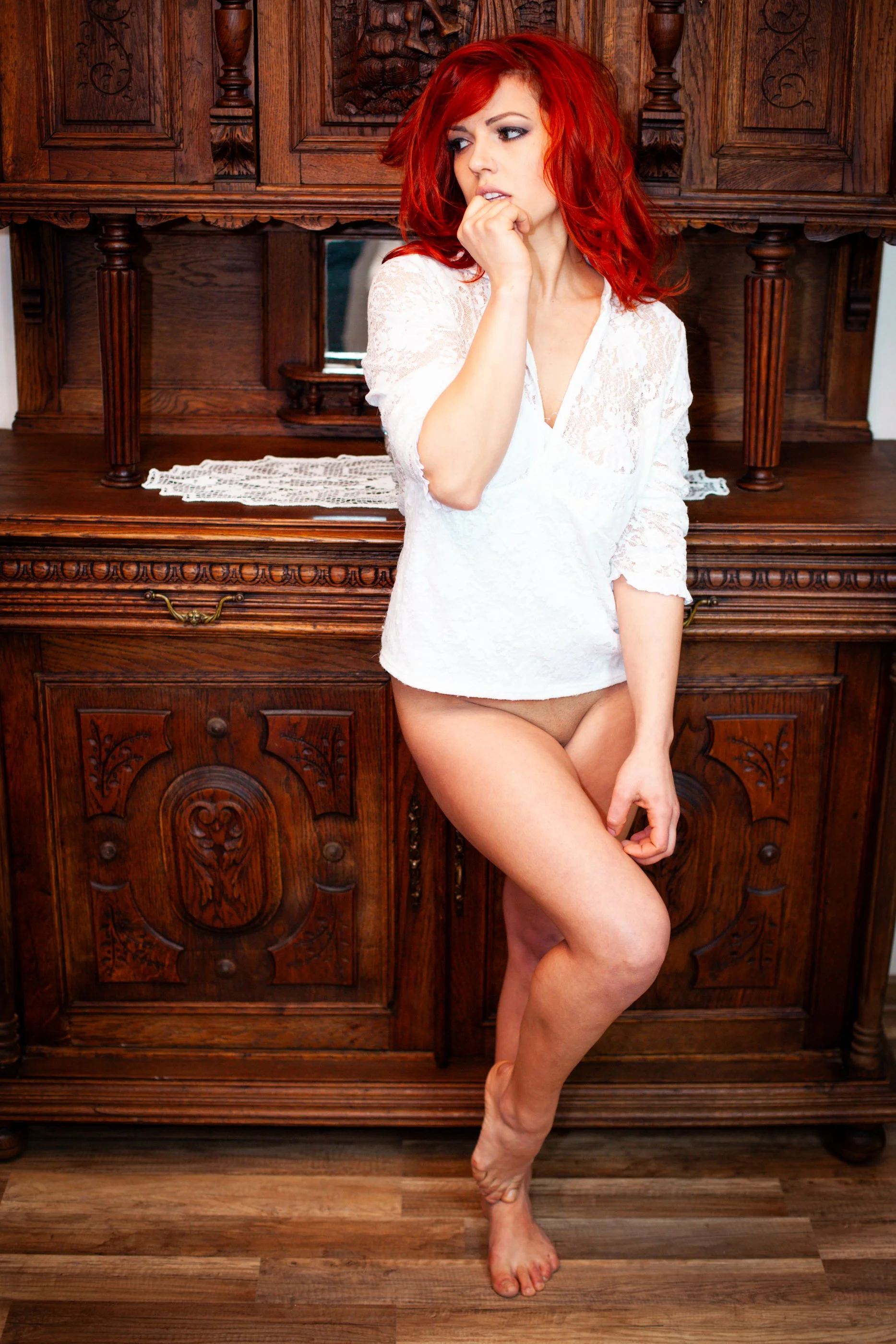
Can I Shoot Nude Film Photography If I Can’t Afford Expensive Equipment and Film?
Absolutely. There seems to be this strange idea floating around photography that before you can make anything worthwhile, you need to own the right camera, the right lens, a handheld light meter, several lights, expensive film…
Absolutely.
There seems to be this strange idea floating around photography that before you can make anything worthwhile, you need to own the right camera, the right lens, a handheld light meter, several lights, expensive film and preferably a bag full of equipment heavy enough to require physiotherapy afterwards.
You really don’t.
And to answer this question properly, rather than just talk about it, I decided to prove it to myself.
For this shoot I used a Minolta Alpha 7, a 50mm f/1.7 lens and a few rolls of wonderfully ordinary Kodak Gold. No expensive professional film. No elaborate lighting setup. No studio strobes. No separate light meter.
Just the camera, one lens, ambient light and a beautiful model willing to spend some time creating photographs with me.
That was it.
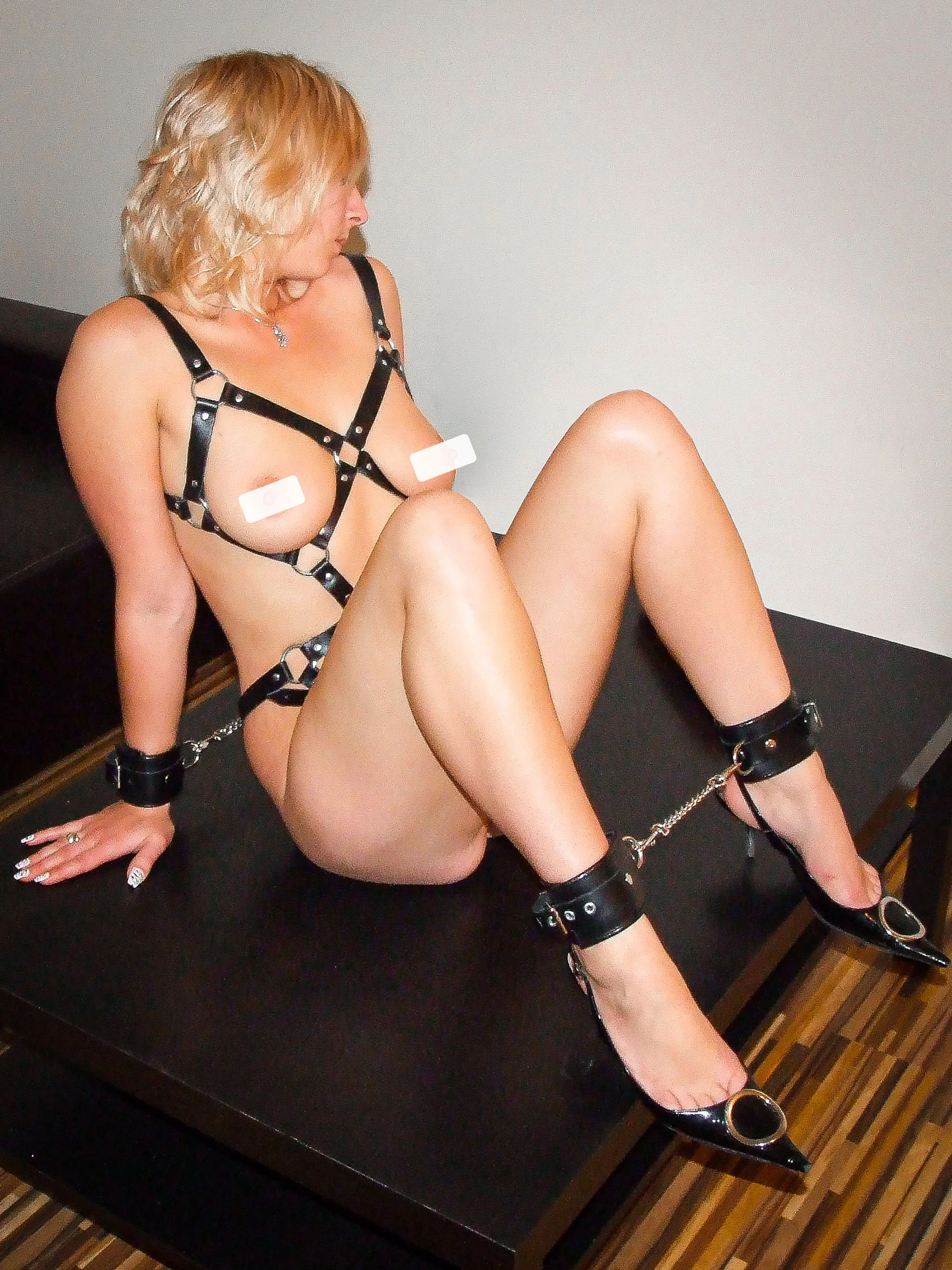
Cheap Doesn’t Mean Bad
Film photography has become fashionable again, and unfortunately fashionable things have a habit of becoming expensive.
You can spend an extraordinary amount of money on certain cameras today. Add a fashionable lens, premium film stock, professional processing and scanning, and suddenly taking twelve photographs feels like a significant financial decision.
But none of those things automatically make the photograph better.
The Minolta Alpha 7 is a perfect example. It isn't the camera people normally place carefully next to a cappuccino and photograph for Instagram. It is a relatively inexpensive autofocus 35mm SLR from an era when cameras were designed primarily to take photographs rather than become collectibles.
And it is brilliant.
Stick a simple 50mm f/1.7 on the front and you have almost everything you need.
For nude photography in particular, 50mm is such an easy focal length to work with. It feels natural. You can step closer when you want intimacy, move backwards when you need more of the body or environment, and concentrate on composition rather than constantly changing lenses.
The f/1.7 aperture also gives you plenty of possibilities when the available light starts disappearing.
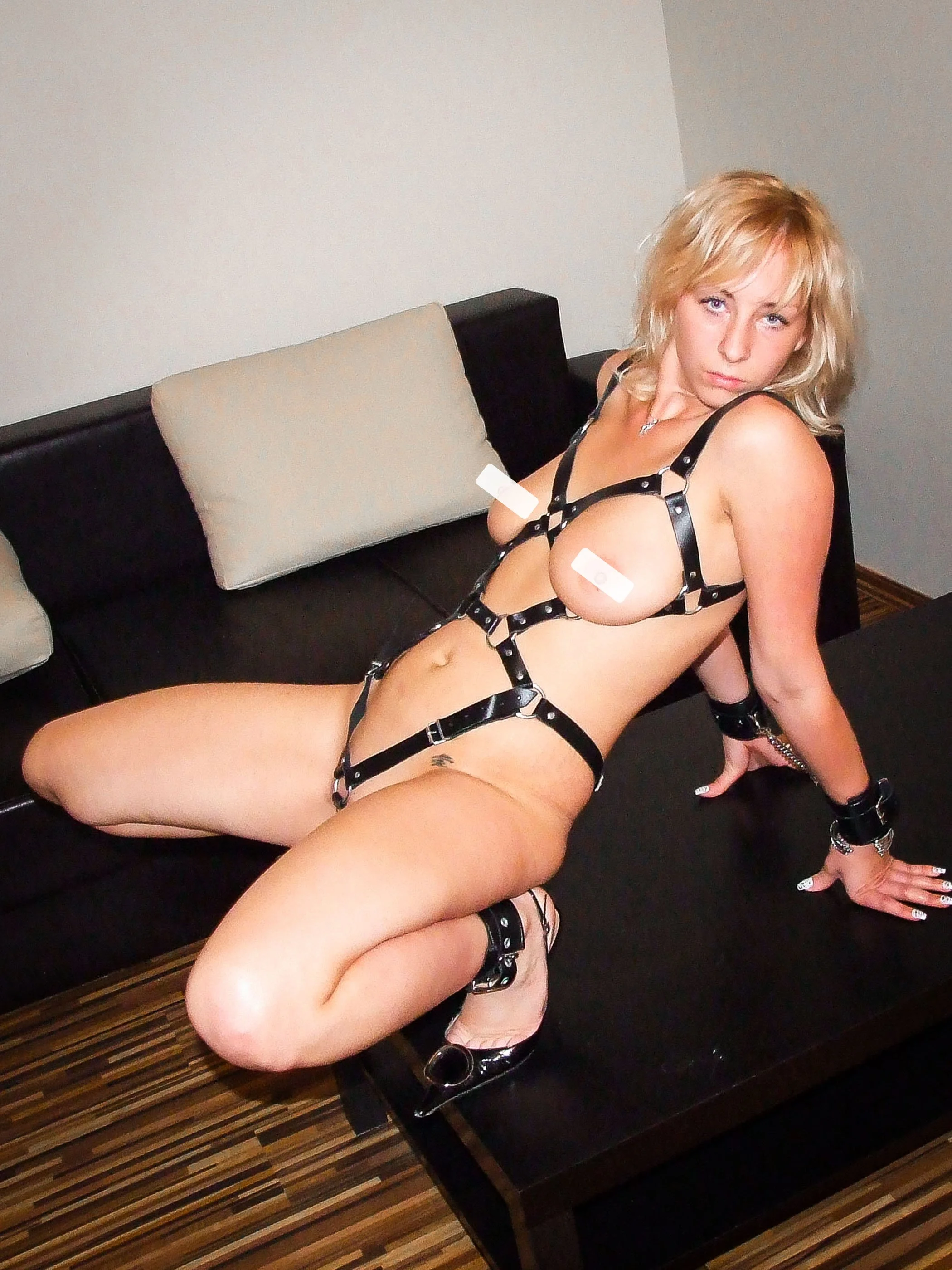
And Yes, I Shot It on Kodak Gold
Cheap-ish, cheerful, readily available Kodak Gold. And I loved it!
There is something wonderfully liberating about not treating every frame as though you're loading a tiny strip of gold bullion into the camera. Of course, film costs money and every exposure still matters, but using an everyday consumer film somehow removes a little of that pressure.
I used ambient light.
Whatever light was already there became part of the photograph. If it was soft, I worked with softness. If one side of the body disappeared into shadow, I let it disappear. If the room became darker, rather than immediately thinking about how to correct it, I started thinking about how I could use it.
That is one of the things I enjoy most about photographing the nude on film. You don't necessarily need to reveal everything. Sometimes a shoulder catching the light while everything else falls away is far more interesting than perfectly illuminating the entire scene. And no, I didn't carry a separate handheld light meter either. The Minolta already has a perfectly capable meter. I trusted it, made adjustments when I felt they were necessary and got on with taking photographs.
Conclusion.
If you're waiting to start photographing because you think you need a Leica, Hasselblad, expensive lenses, professional lighting and a freezer containing discontinued film stocks, stop waiting. Buy an inexpensive film camera that works, put a 50mm lens on it, buy whatever film you can reasonably afford, find some interesting light (or don’t), then concentrate on the photograph.
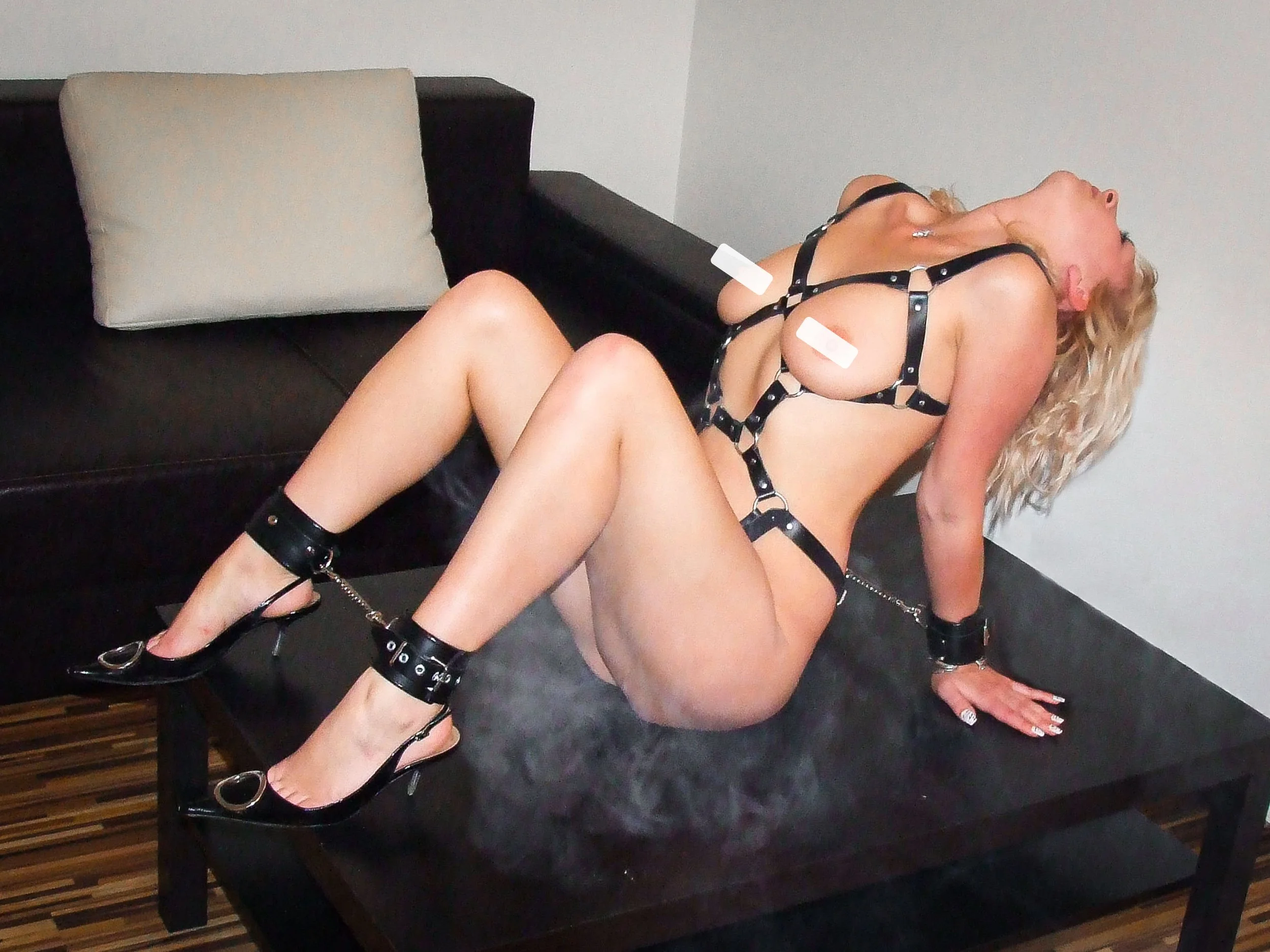
And yes, `you can blow cigarette smoke at a model to create smoke cloud effect (or maybe don’t, unless you know the model and she thinks it’s a great idea!).
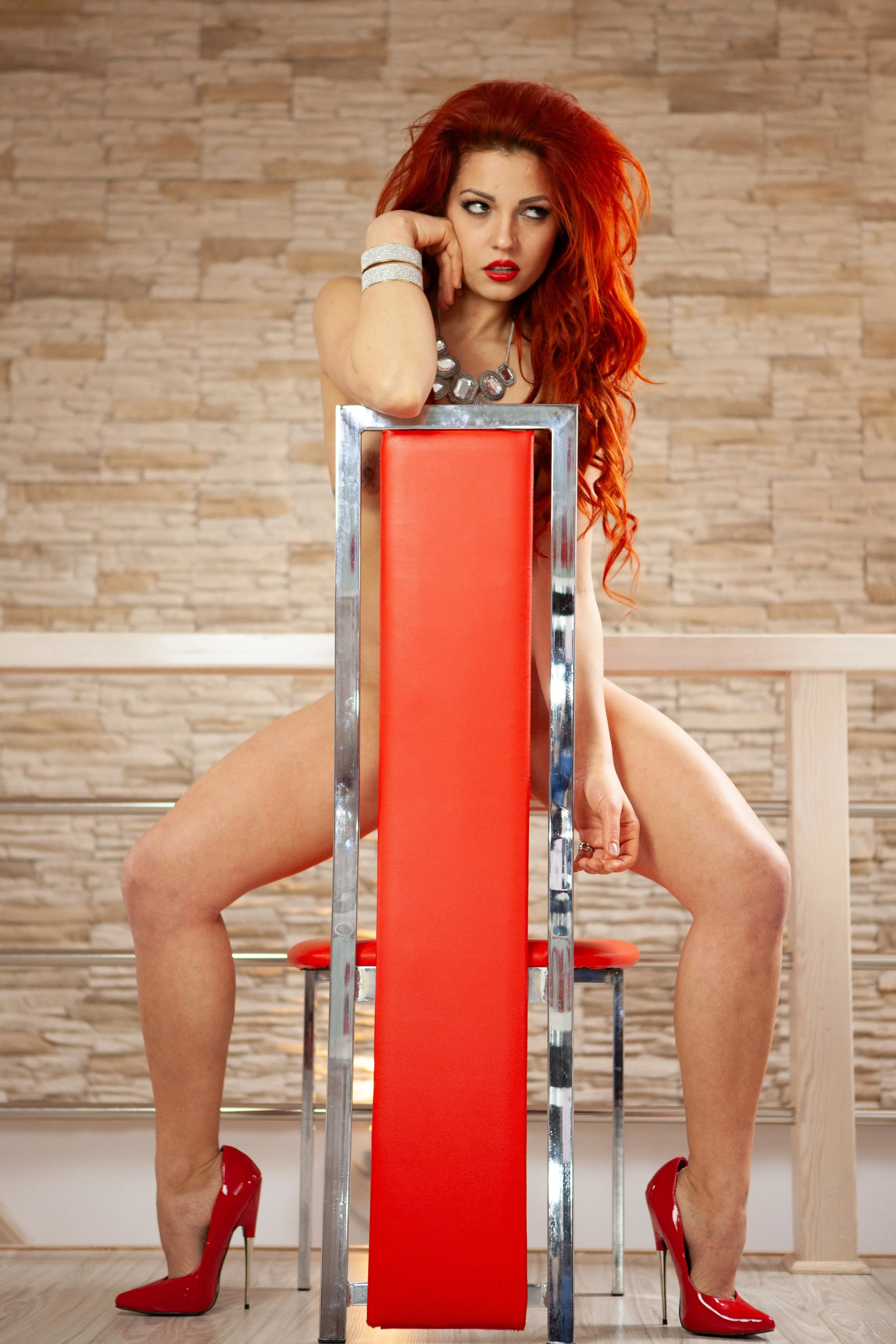
The Art of Making Four Walls Feel Like Forty: Nude Photography in a Limited Space.
If you enjoyed my previous article, “Creating Powerful Fine Art Nude Photography in Small Spaces”, this is the natural next chapter, expanding on the same philosophy with a different creative perspective.
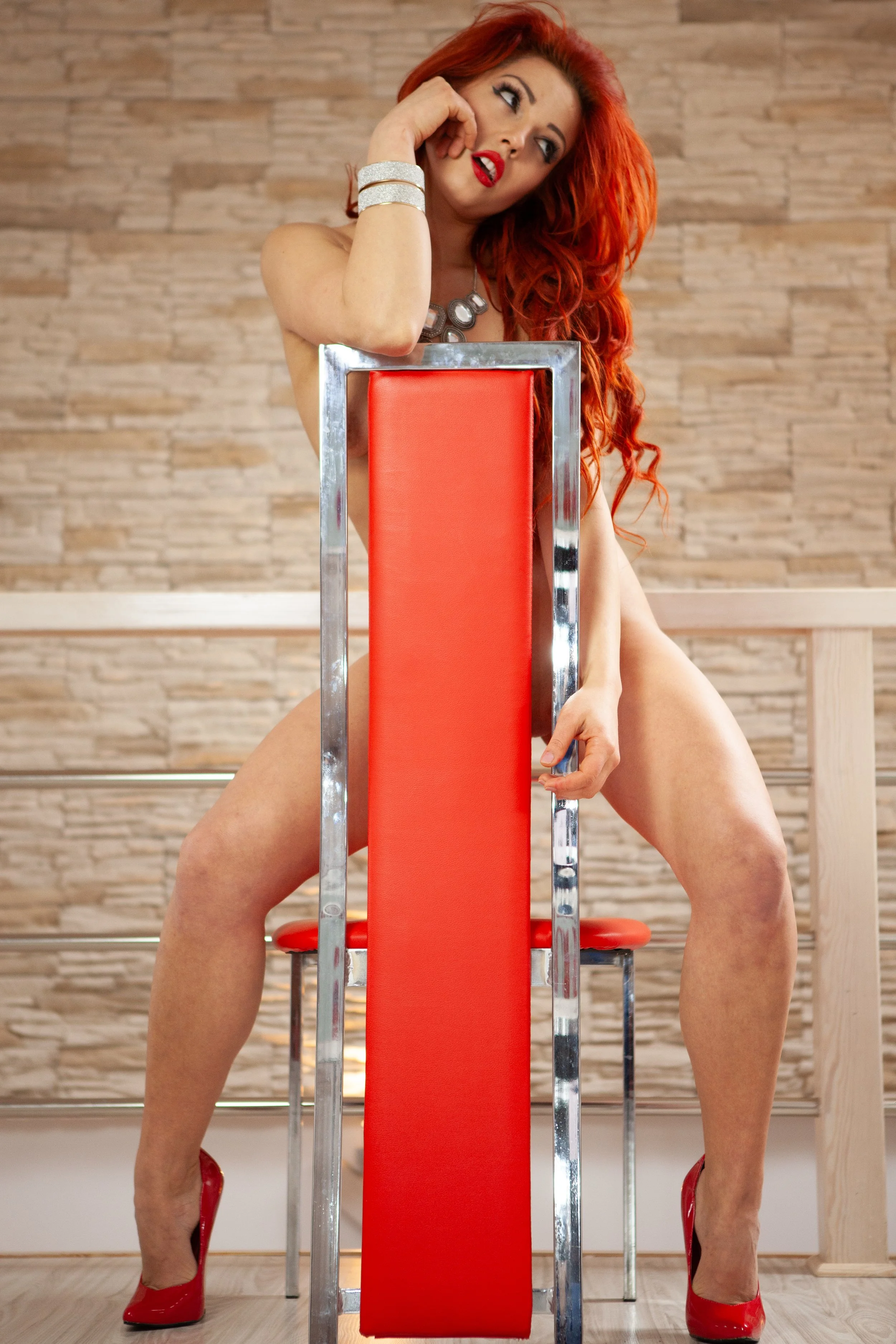
If you enjoyed my previous article, “Creating Powerful Fine Art Nude Photography in Small Spaces”, this is the natural next chapter, expanding on the same philosophy with a different creative perspective.
There comes a point in every photographer's life when they dream of sprawling villas, endless lofts with floor to ceiling windows, and studios the size of small aircraft hangars.
Then reality arrives.
Reality usually looks like a London flat where taking two steps backwards means you're now standing in the hallway, balancing on one foot, wondering if you can somehow shoot through the wardrobe.
The good news? Small spaces aren't your enemy. In fact, they're often where the most intimate and memorable photographs are made. The secret isn't owning a bigger room but rather learning to see a smaller one differently.
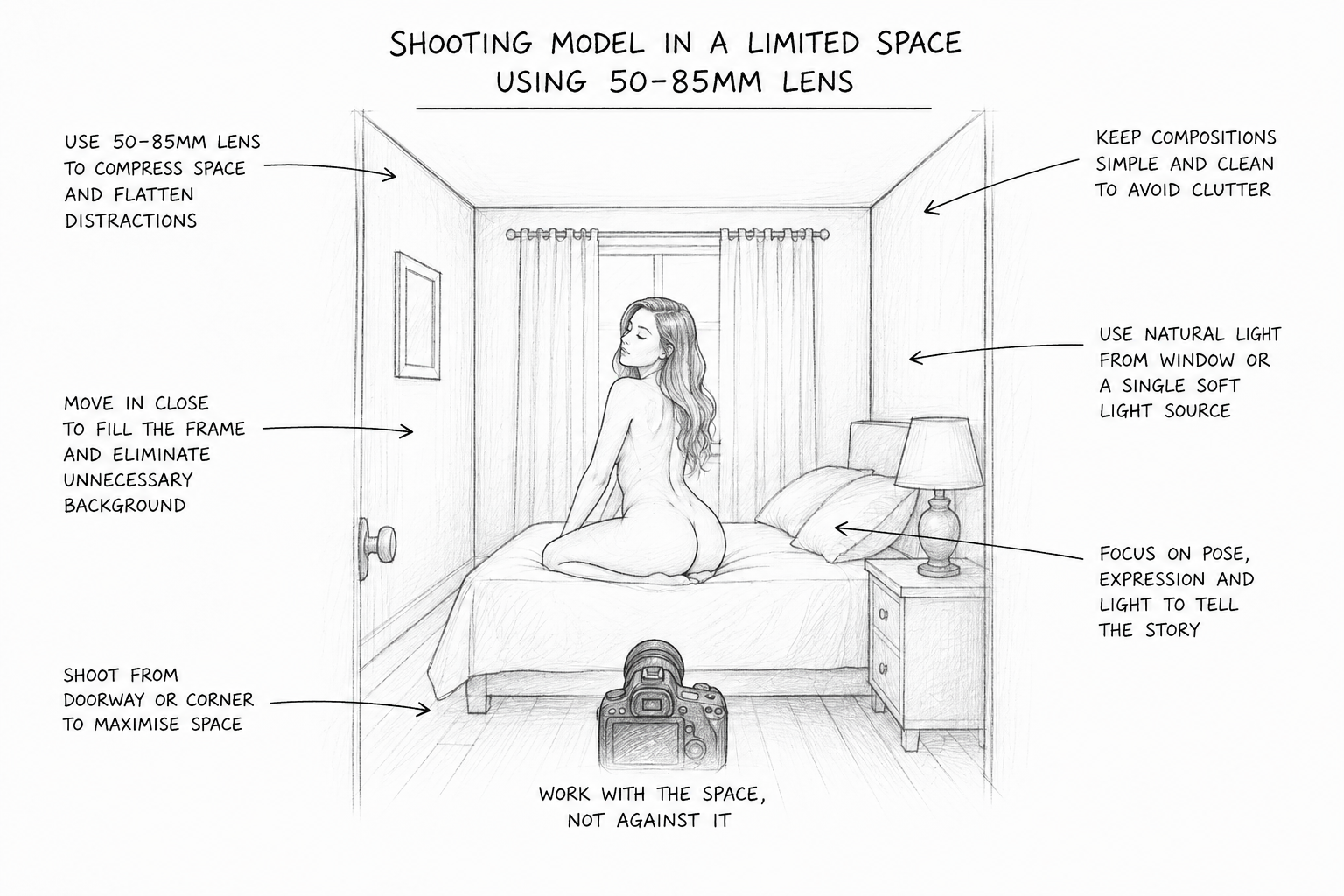
A 50mm to 85mm lens is almost perfect for this. Rather than exaggerating every inch of the room like a wide angle lens, these focal lengths compress perspective slightly and naturally encourage you to simplify. Instead of photographing the room, you're photographing the story happening inside it and that little change in thinking makes an enormous difference.
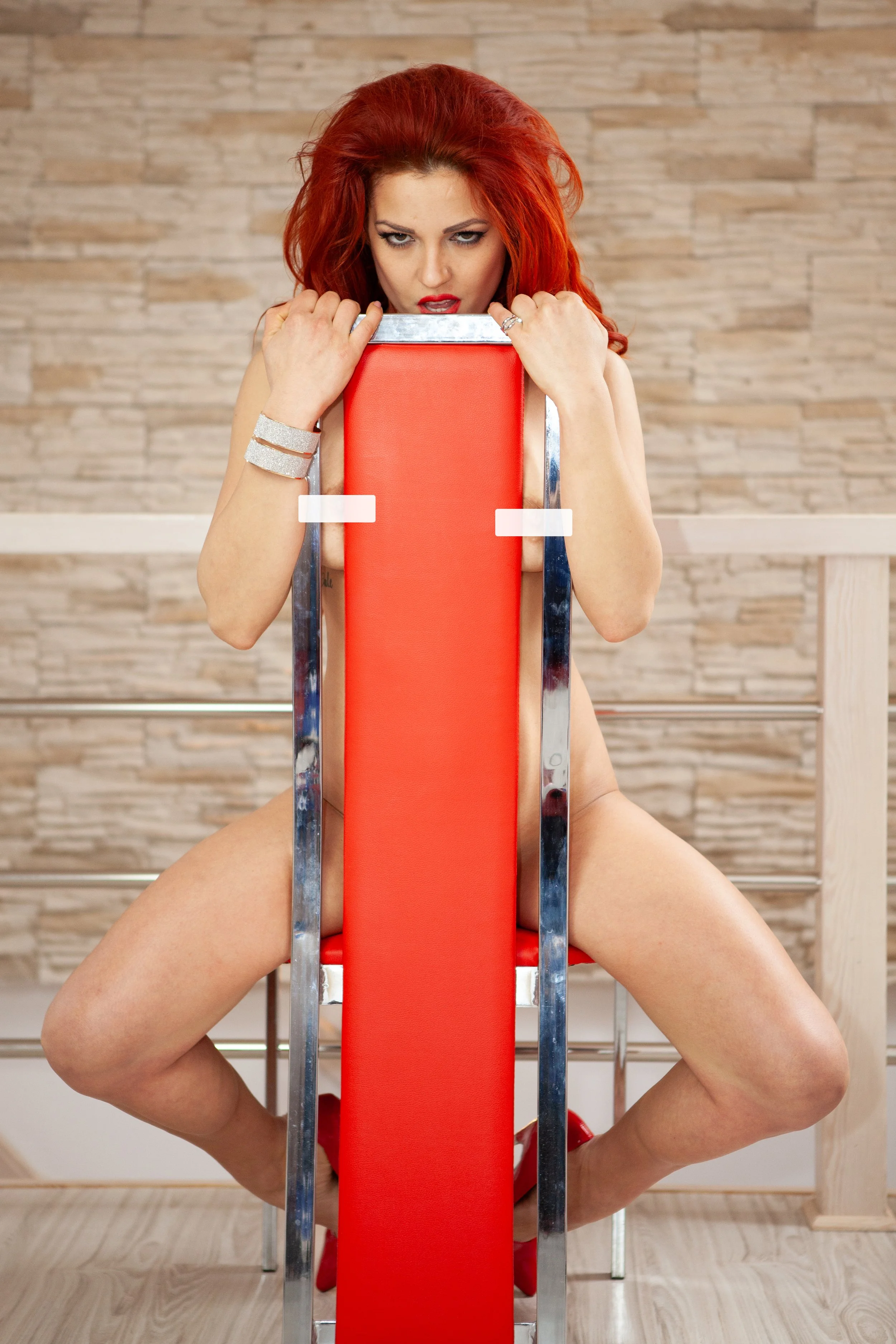
I often joke that my photography isn't about finding beautiful places but it's about convincing people that I found one. Sometimes that means walking around a local second hand furniture shop until something ridiculous catches my eye.
One day it was an old red leather metal chair that looked like it had witnessed more than a fair share of lap dances, a poker tournament, and perhaps the fall of the 80’ galas period.
Did I need another chair?
Absolutely not.
Did it become one of my favourite props?
Absolutely.
That lonely chair transformed ordinary small space into scenes. Suddenly the model had somewhere to lean, stretch, curl up, or simply exist naturally. One object gave the image purpose without demanding attention.
That's the trick with props.
Use them like seasoning.
Nobody wants soup made entirely from salt.
A single interesting chair, an old mirror, textured curtains, a vintage lamp or even a simple blanket can create atmosphere. Fill every corner with decorative objects and suddenly your viewer is playing "Where's Wally?" instead of looking at your subject. Less really is more.
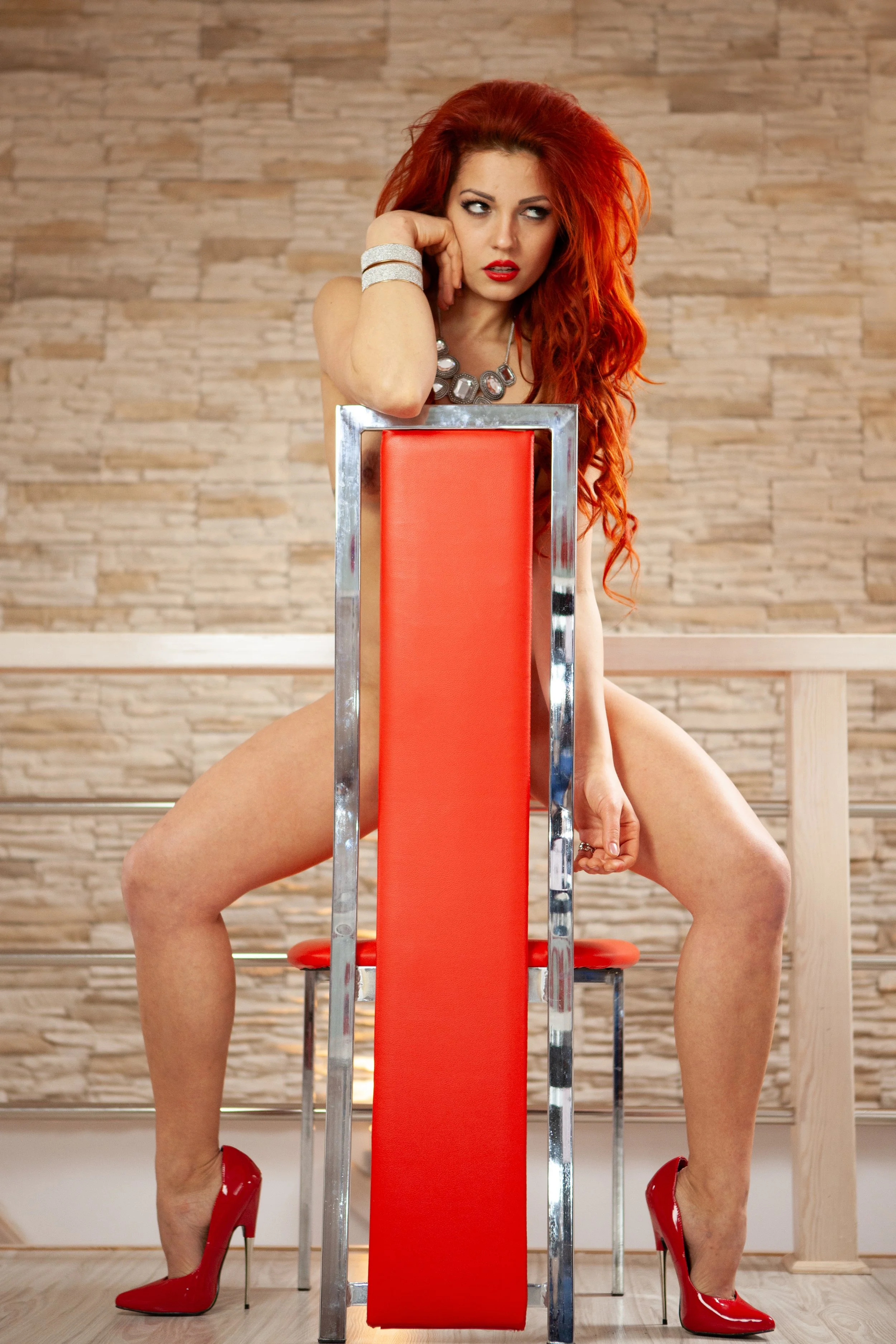
Limited spaces also force you to become far more deliberate with composition. Instead of endlessly wandering around searching for an angle, you begin noticing tiny changes. Half a step left, crouch slightly, shoot through the doorway, use the bed as foreground, let the curtains frame the model.Suddenly you're making photographs instead of merely taking them.
Light becomes simpler too, one window is often enough, one soft flash bouncing off a white ceiling doeas a great job, one carefully placed shadow can say far more than three expensive lights all competing for attention.
Ironically, constraints make us more creative because they remove endless choices.
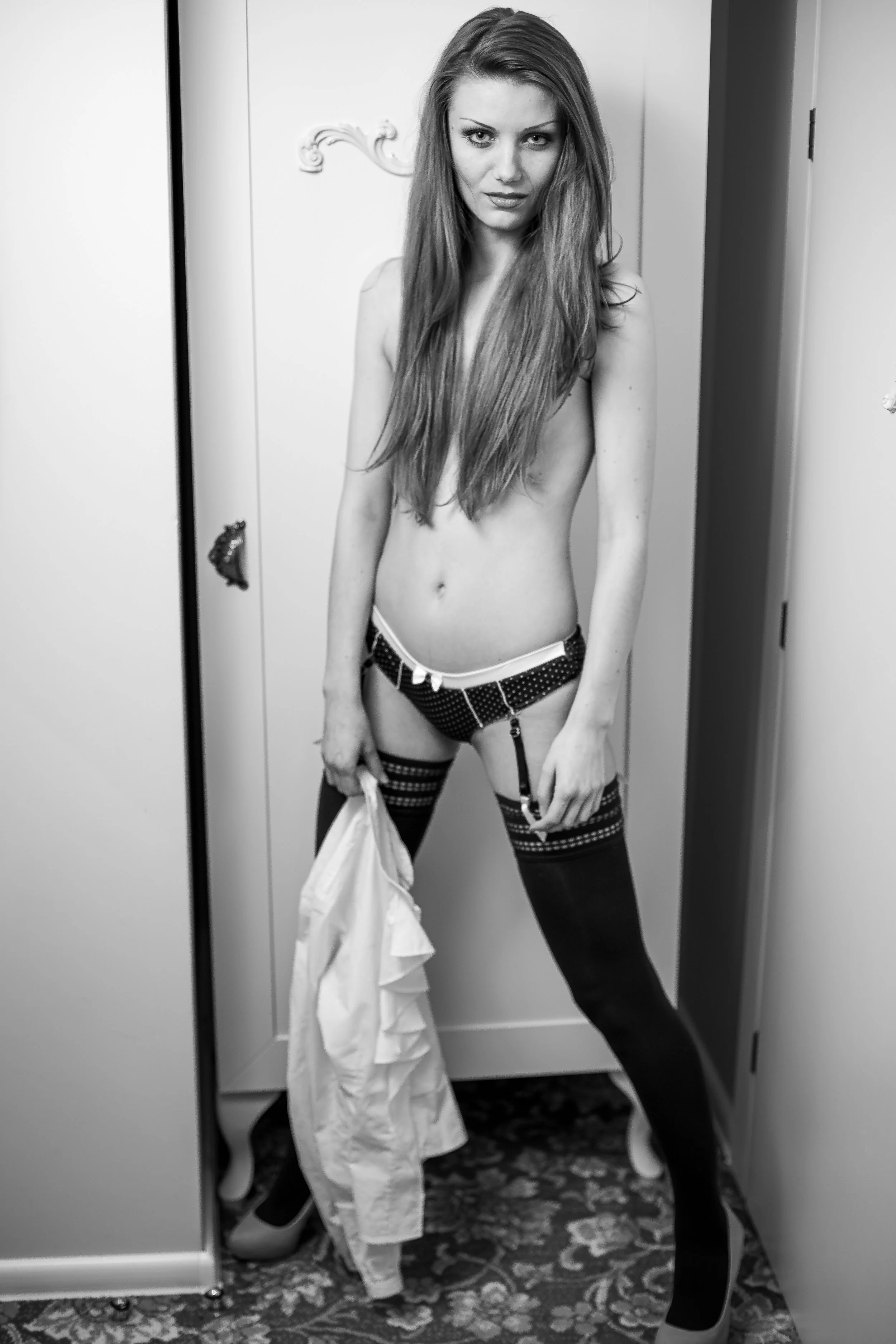
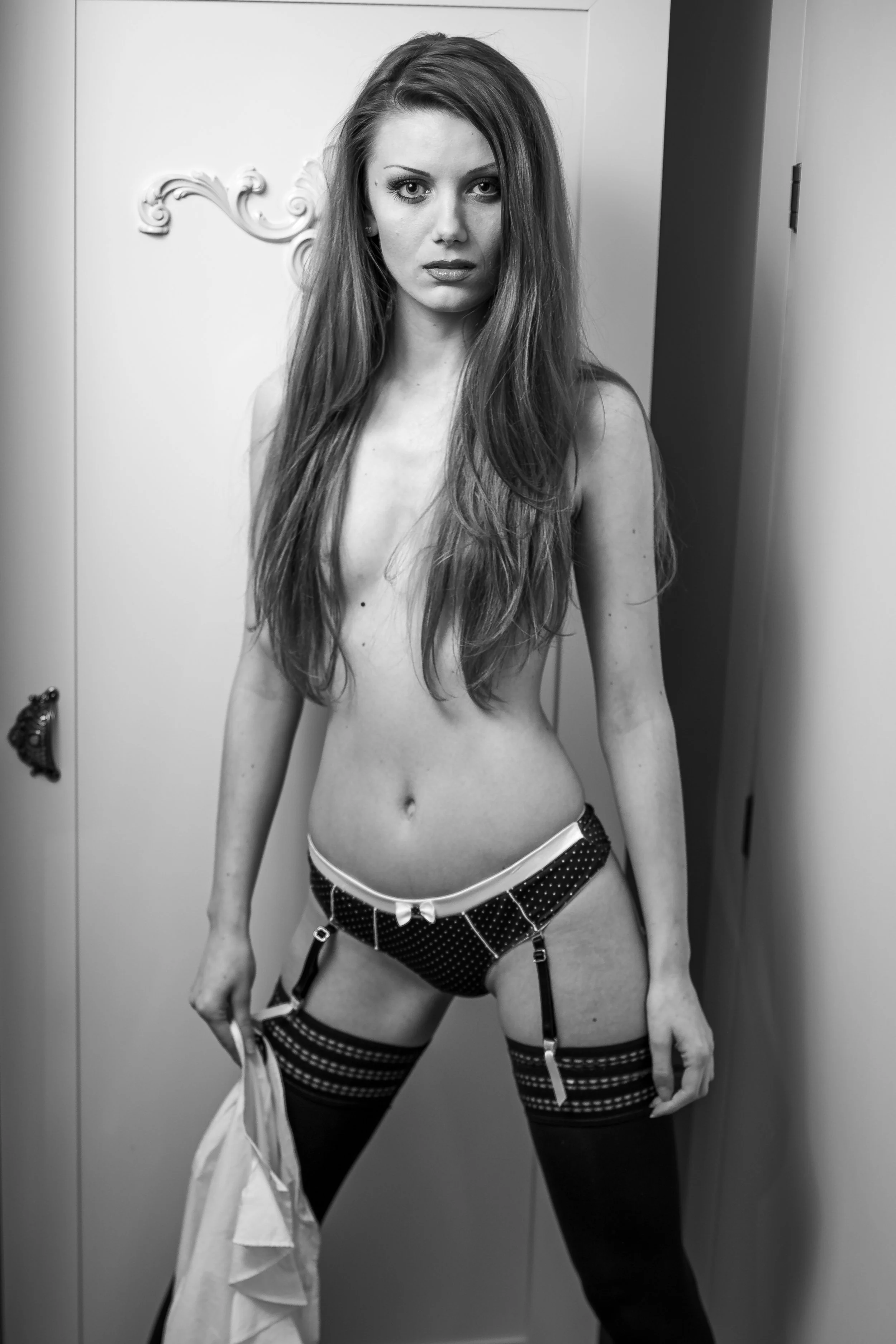
One of the greatest advantages of working in a confined space is that it encourages you to embrace intimacy rather than fight against it. Instead of constantly trying to fit an entire body into the frame, move closer. Let shoulders disappear beyond the edge, allow knees to be cropped, and don't be afraid if the frame feels tight around your subject. In this context, those close constraints aren't compositional mistakes, they're deliberate creative choices. A compressed perspective draws the viewer's attention to expression, gesture, texture and light, creating images that feel immediate and immersive. By accepting that not every photograph needs to show everything, you give the imagination room to participate, often producing work that feels far more powerful than a perfectly framed full-length portrait.
Part 2: Give Yourself a Mission.
One thing I've learned over the years is that cameras don't get bored. Photographers do. The quickest way to lose motivation is to walk around trying to photograph absolutely everything. Eventually every interesting building…
One thing I've learned over the years is that cameras don't get bored.
Photographers do.
The quickest way to lose motivation is to walk around trying to photograph absolutely everything. Eventually every interesting building, every colourful doorway and every passing stranger begins to blend into one long collection of random pictures.
That's why I almost always give myself a small assignment.
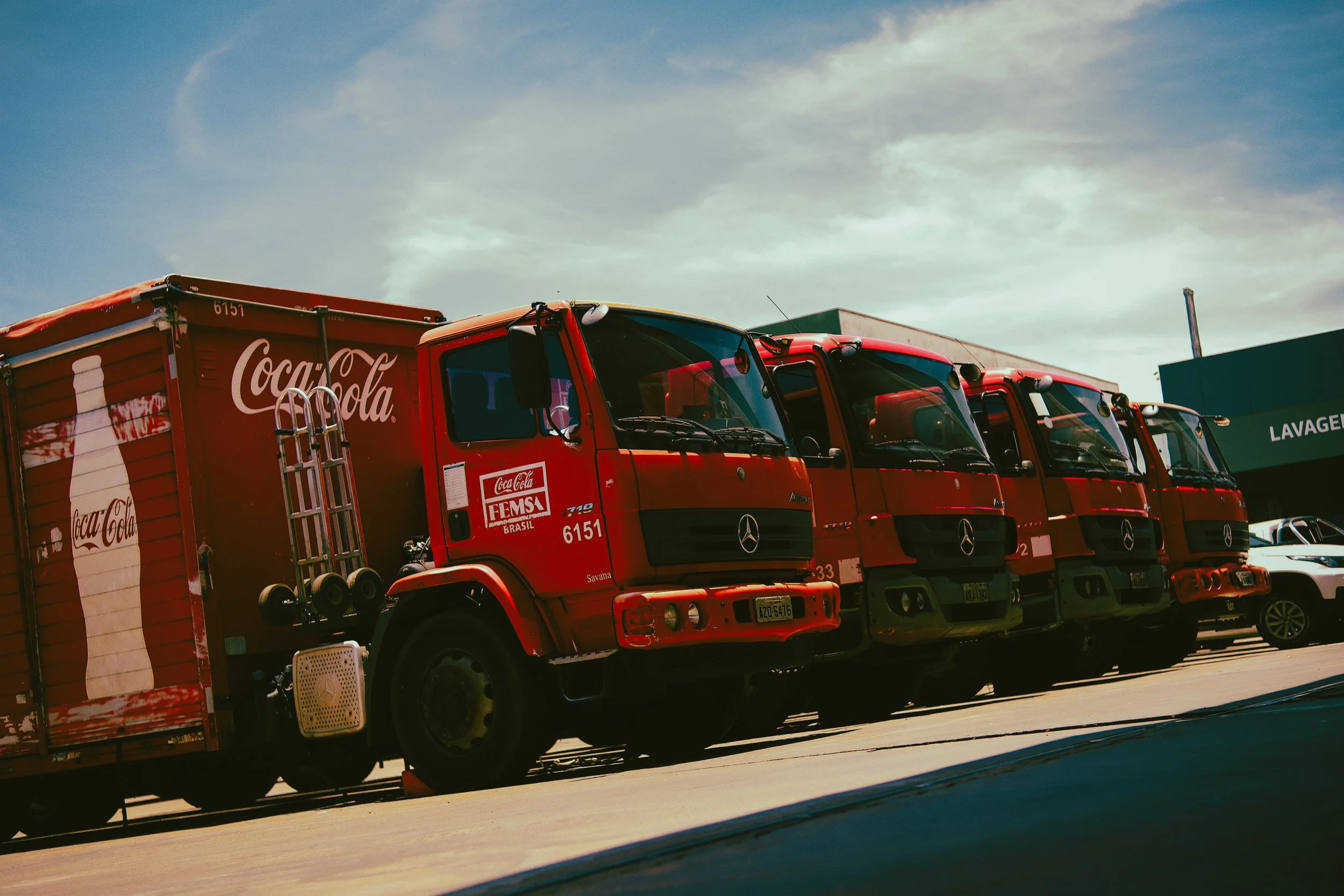
During my recent trip to Brazil, that subject became trucks and roads.
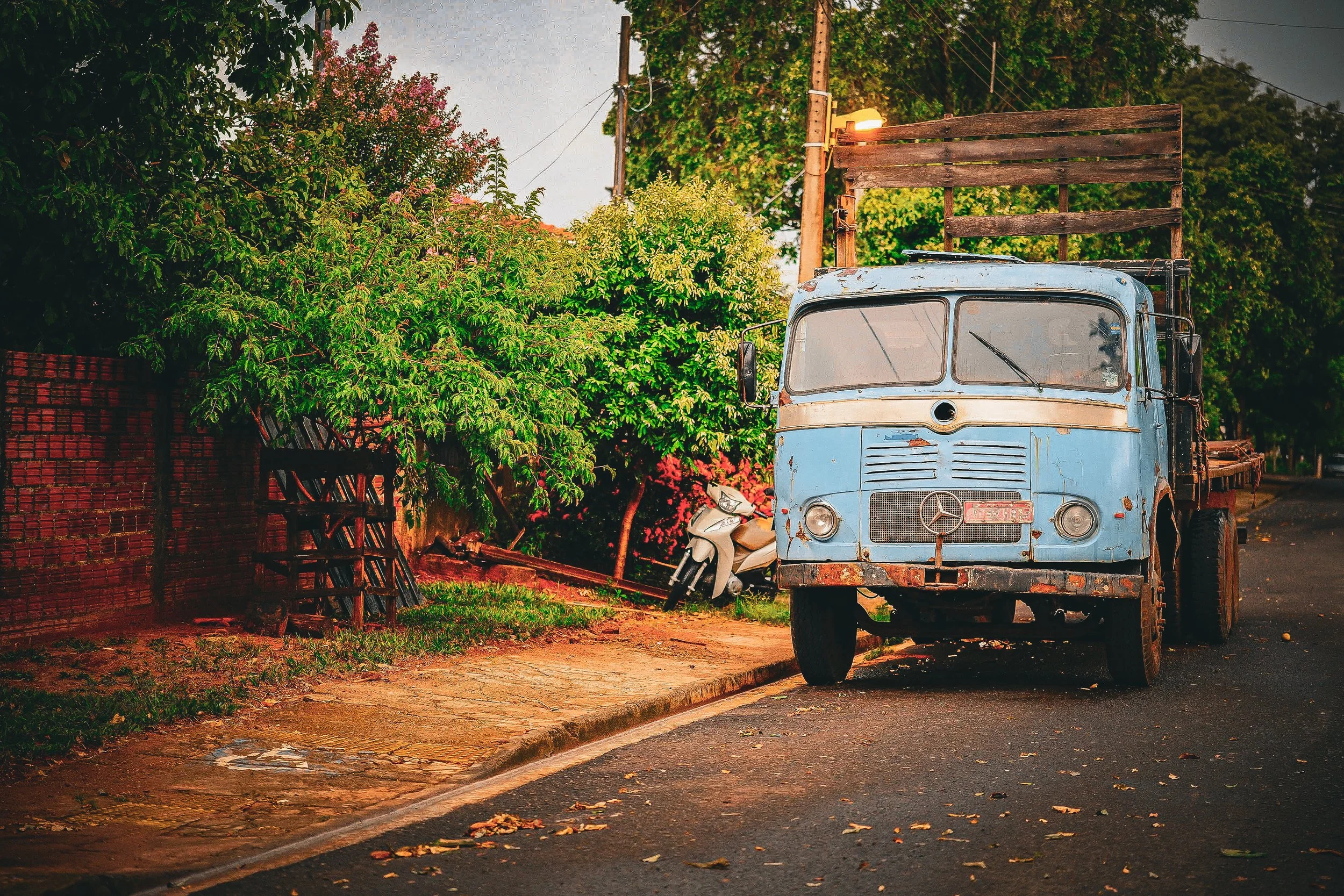
Suddenly I wasn't simply wandering anymore, I was hunting. Every road became a possible composition. Every old truck parked outside a workshop deserved a second glance. Long highways disappearing into the horizon started telling stories. Rust, faded paint, oversized tyres, handmade repairs and endless stretches of asphalt all became characters instead of background details.
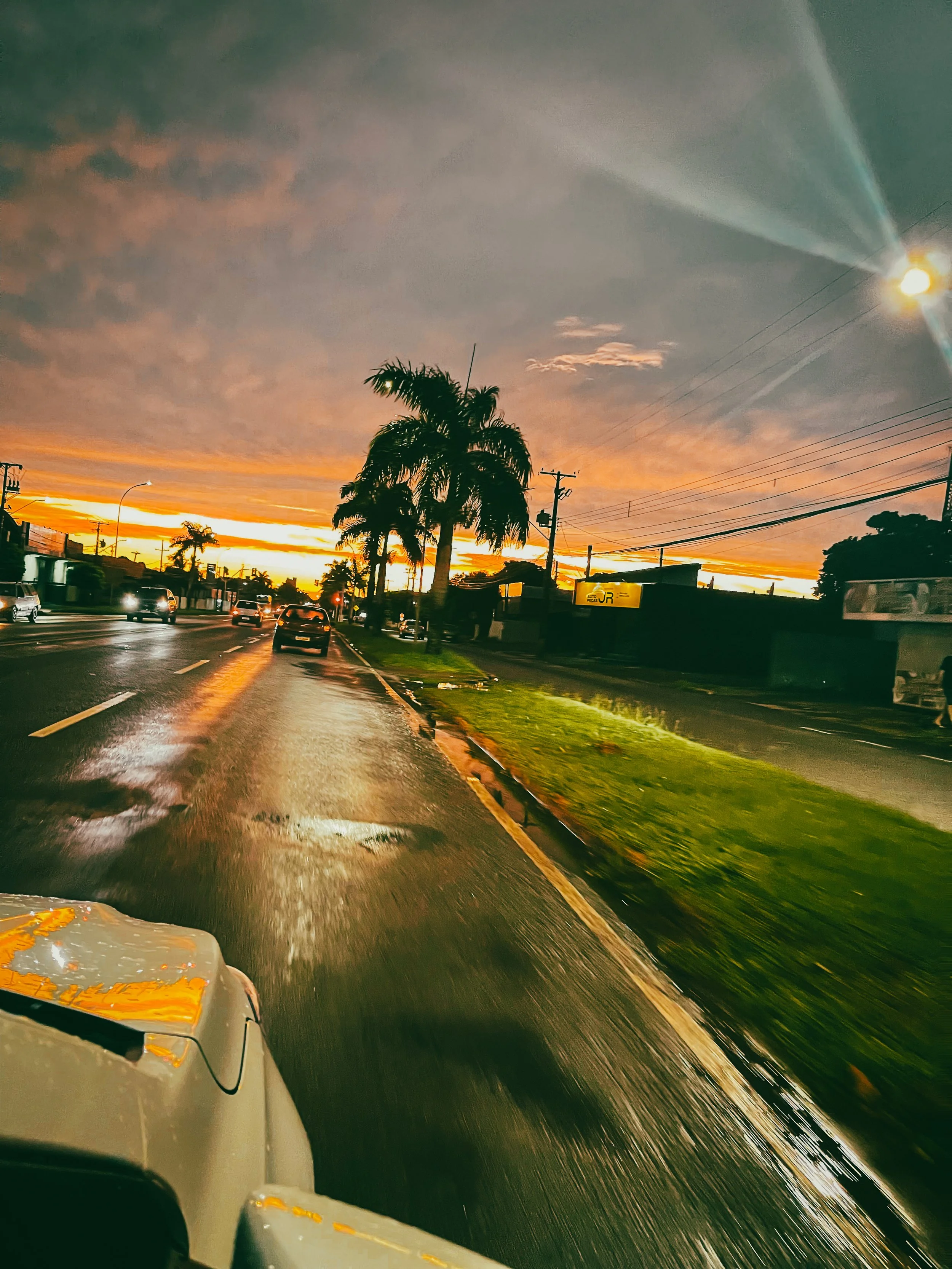
It doesn't matter whether anyone else would find the subject interesting. What matters is that it trains your eye to notice repetition, variation and storytelling.
Brazil gave me beautiful beaches, incredible people and unforgettable food.
Yet one of my favourite memories is still standing beside a dusty roadside, waiting for one old truck to drive into exactly the right patch of light.
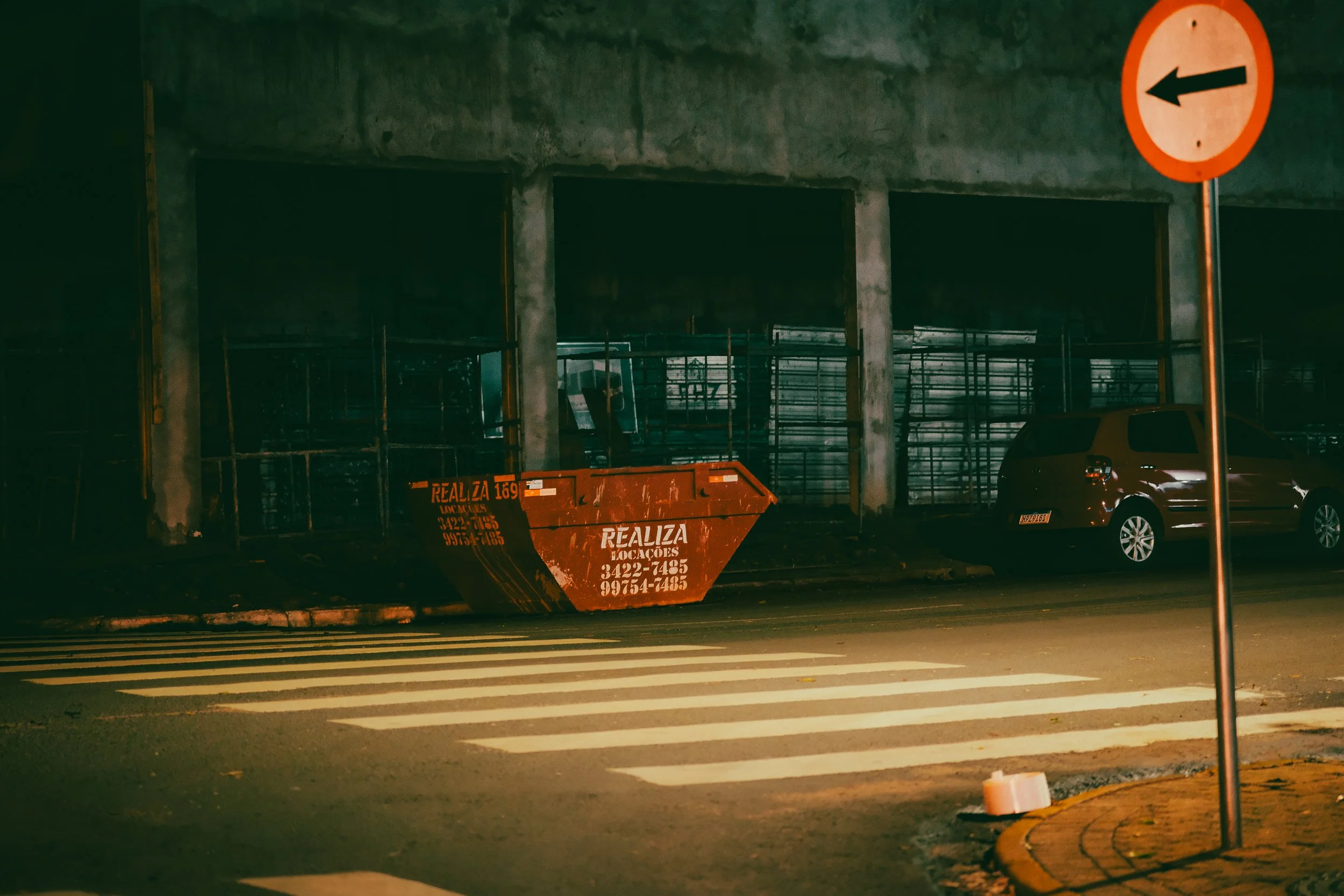
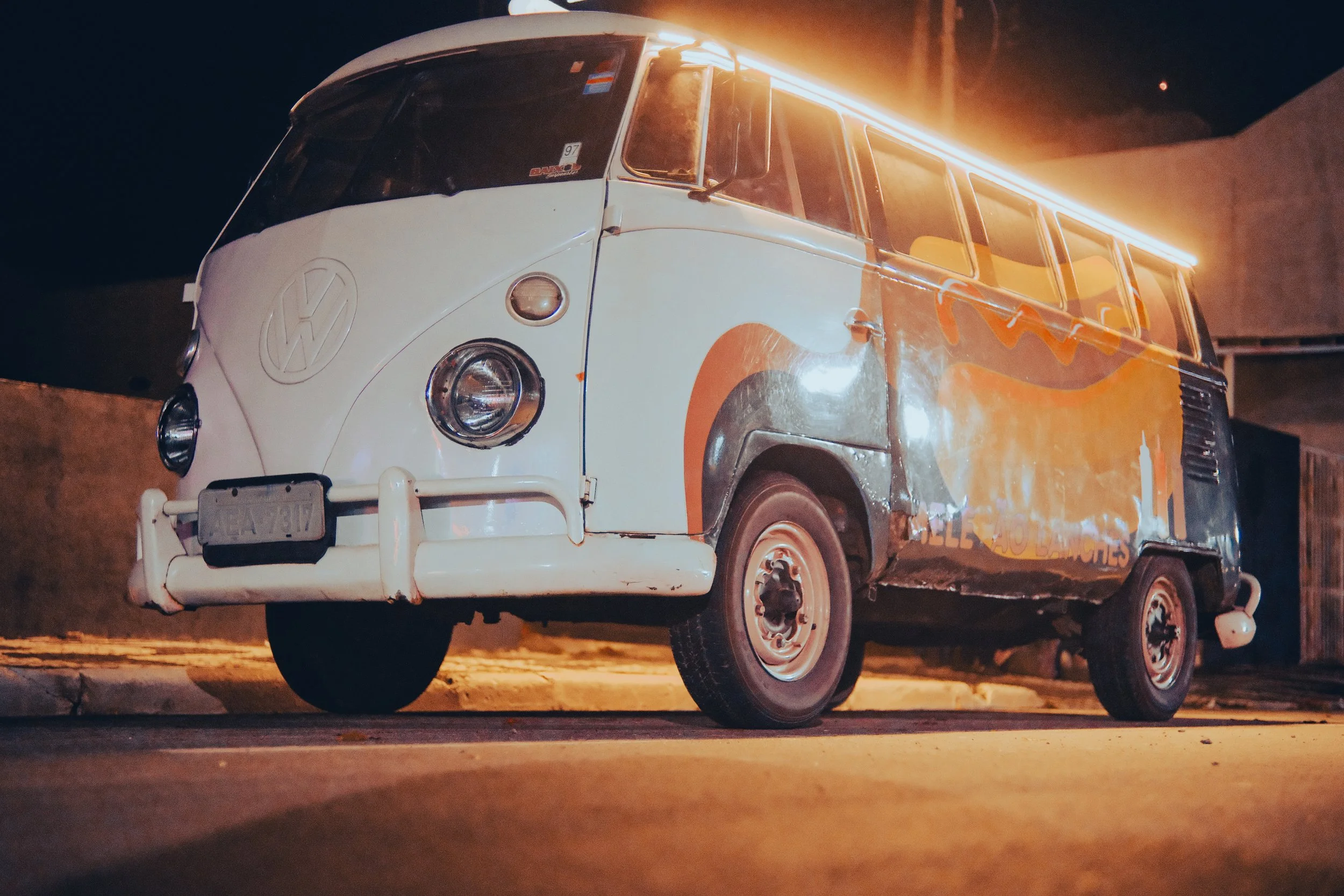
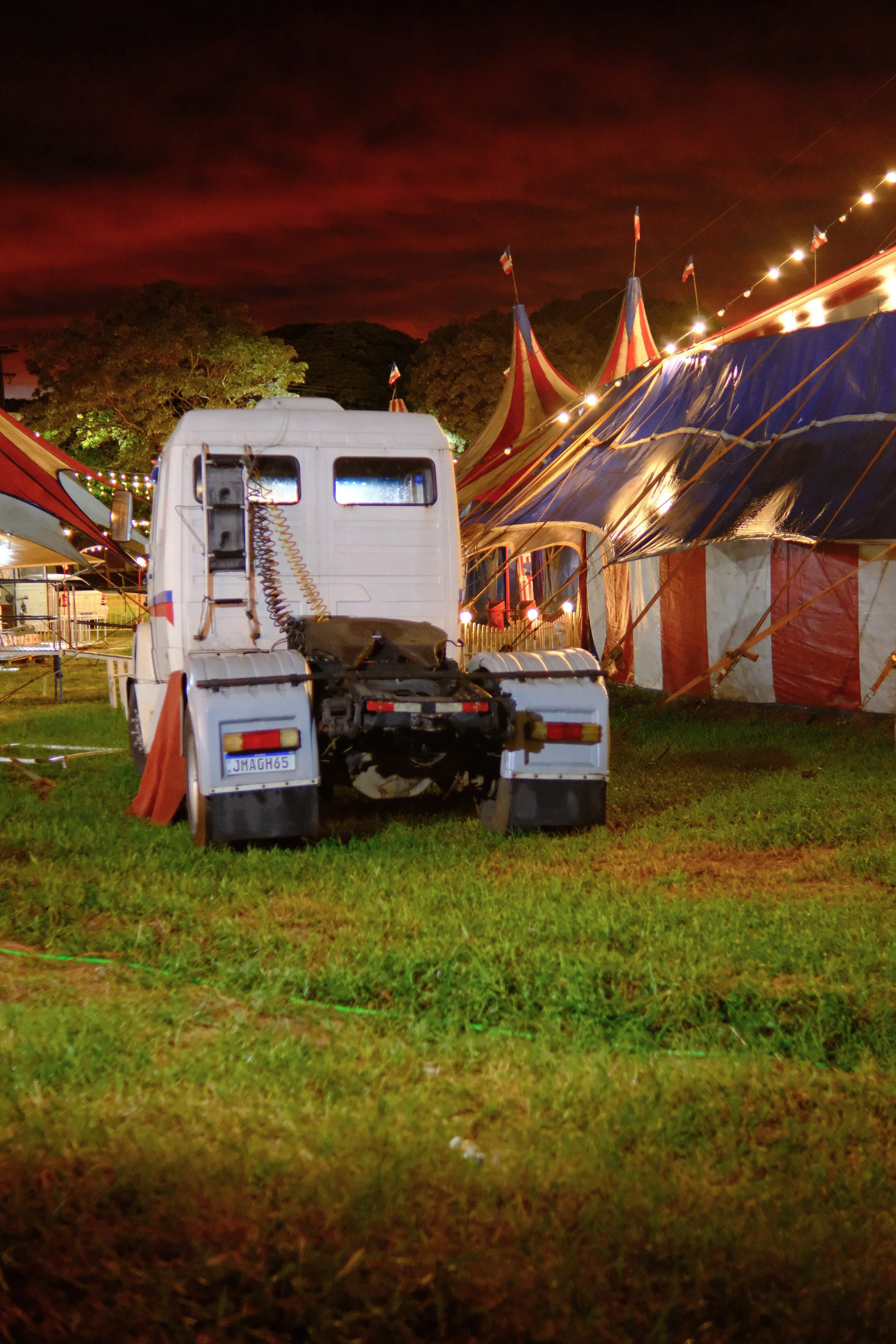
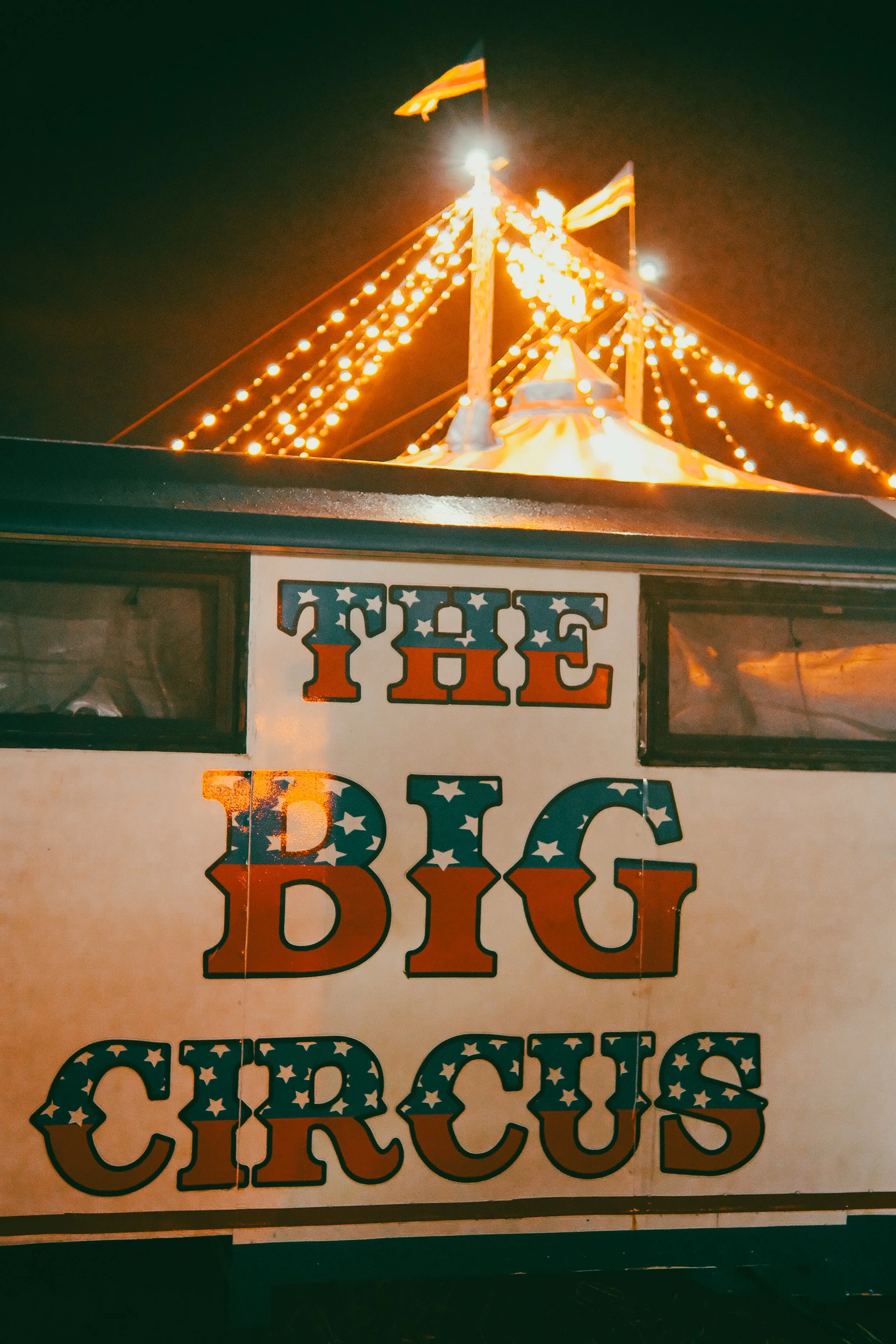
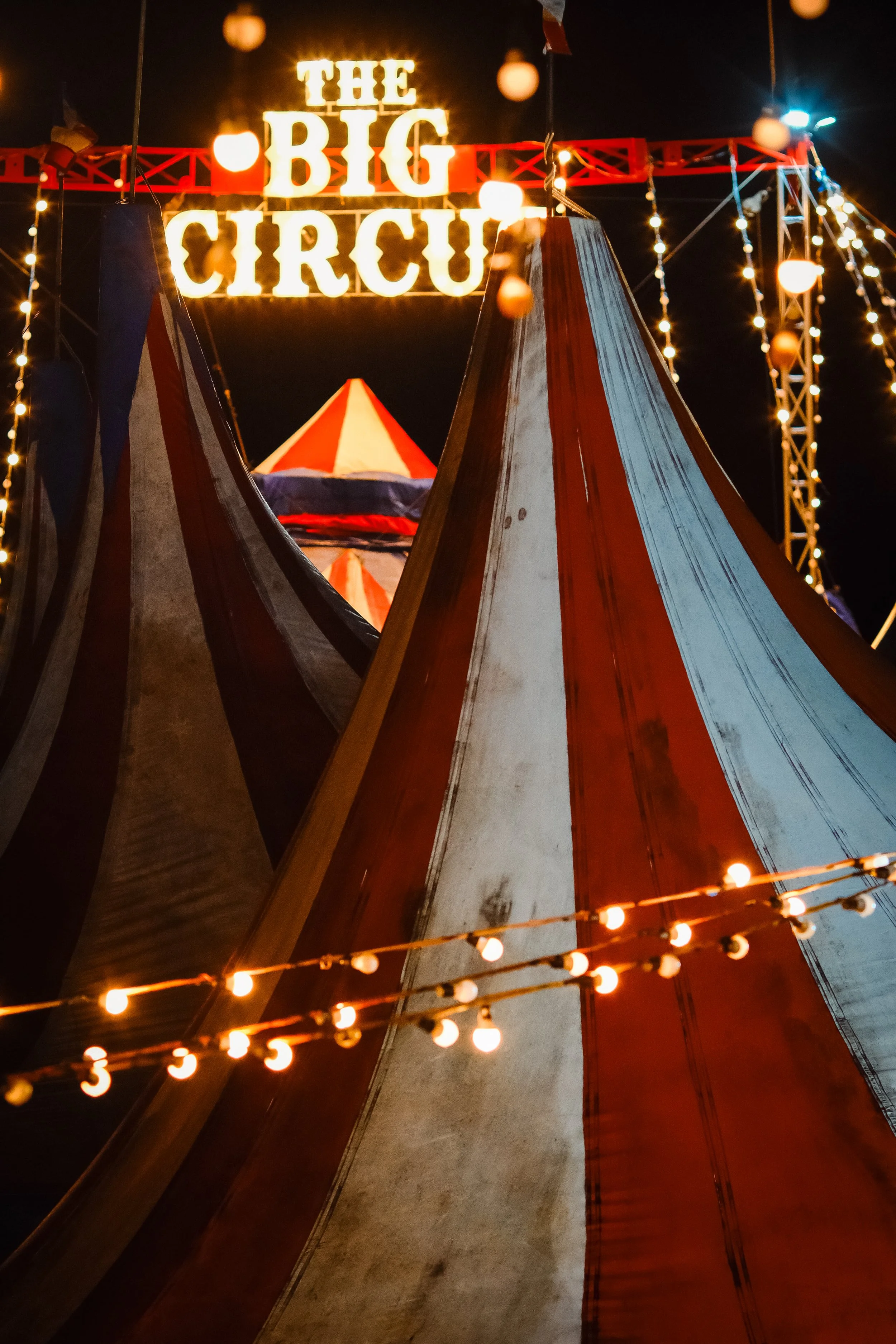
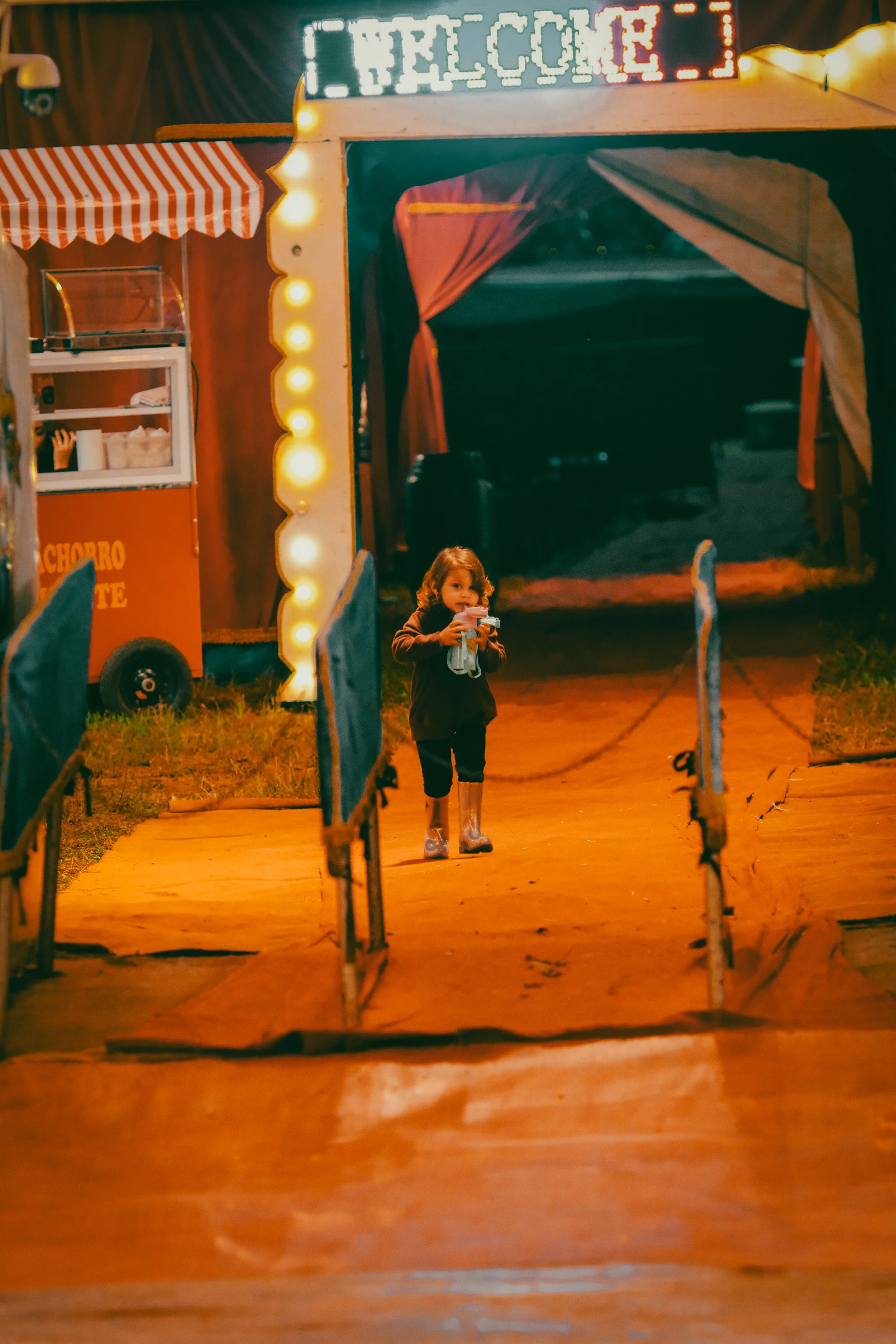
Also, circus came to town. Brightly painted and illuminated trucks lined the street and everyday life briefly stepped aside, making even the simplest walk through town feel like stepping into a story waiting to be photographed.
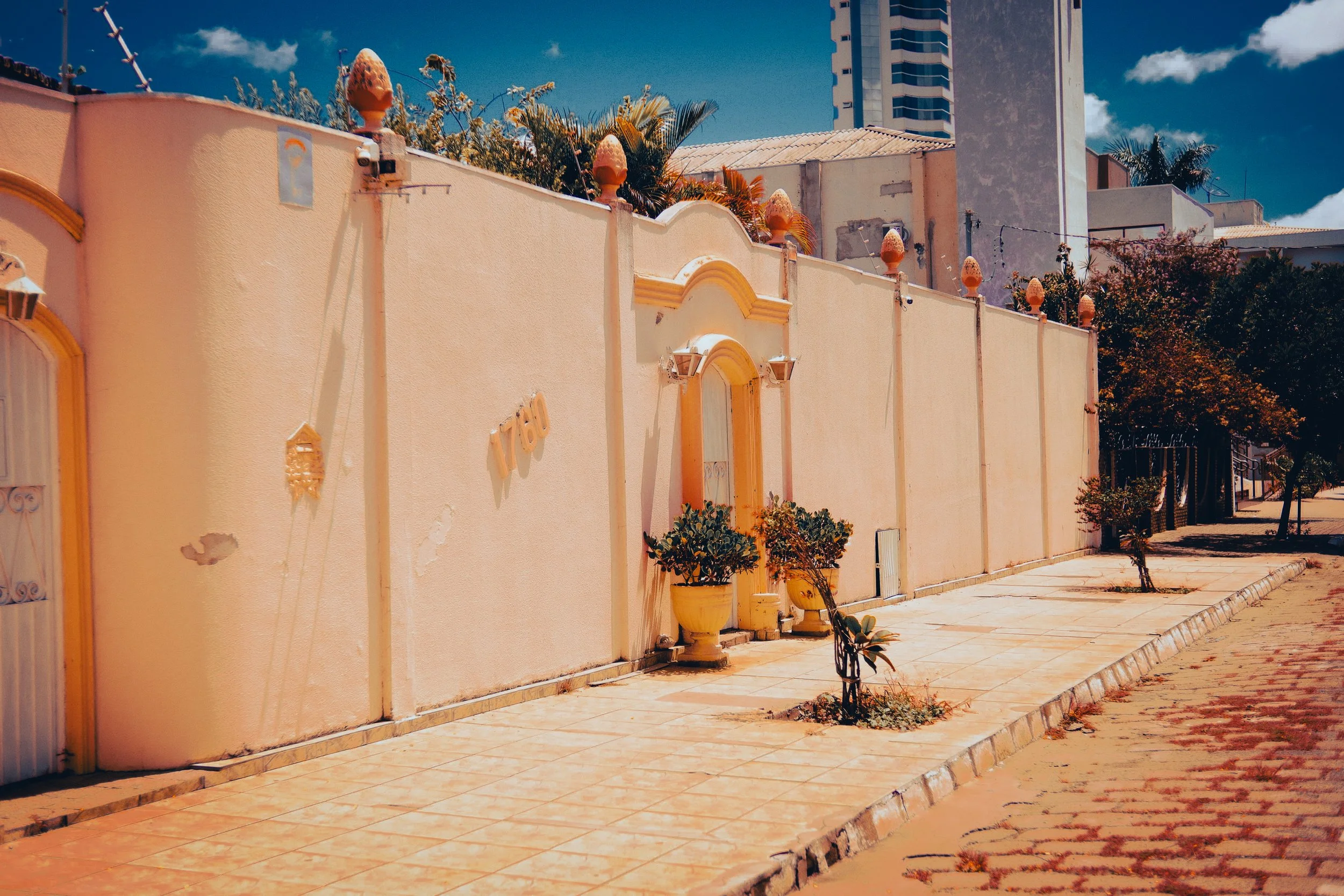
Part 1: Shoot More. Especially When You're Supposed to Be Relaxing.
Photography has an odd habit of making holidays feel shorter and memories last longer. (This made me lol at a time of writing.) I recently came back from Brazil, and while most people were busy hunting down the next beach or cocktail…
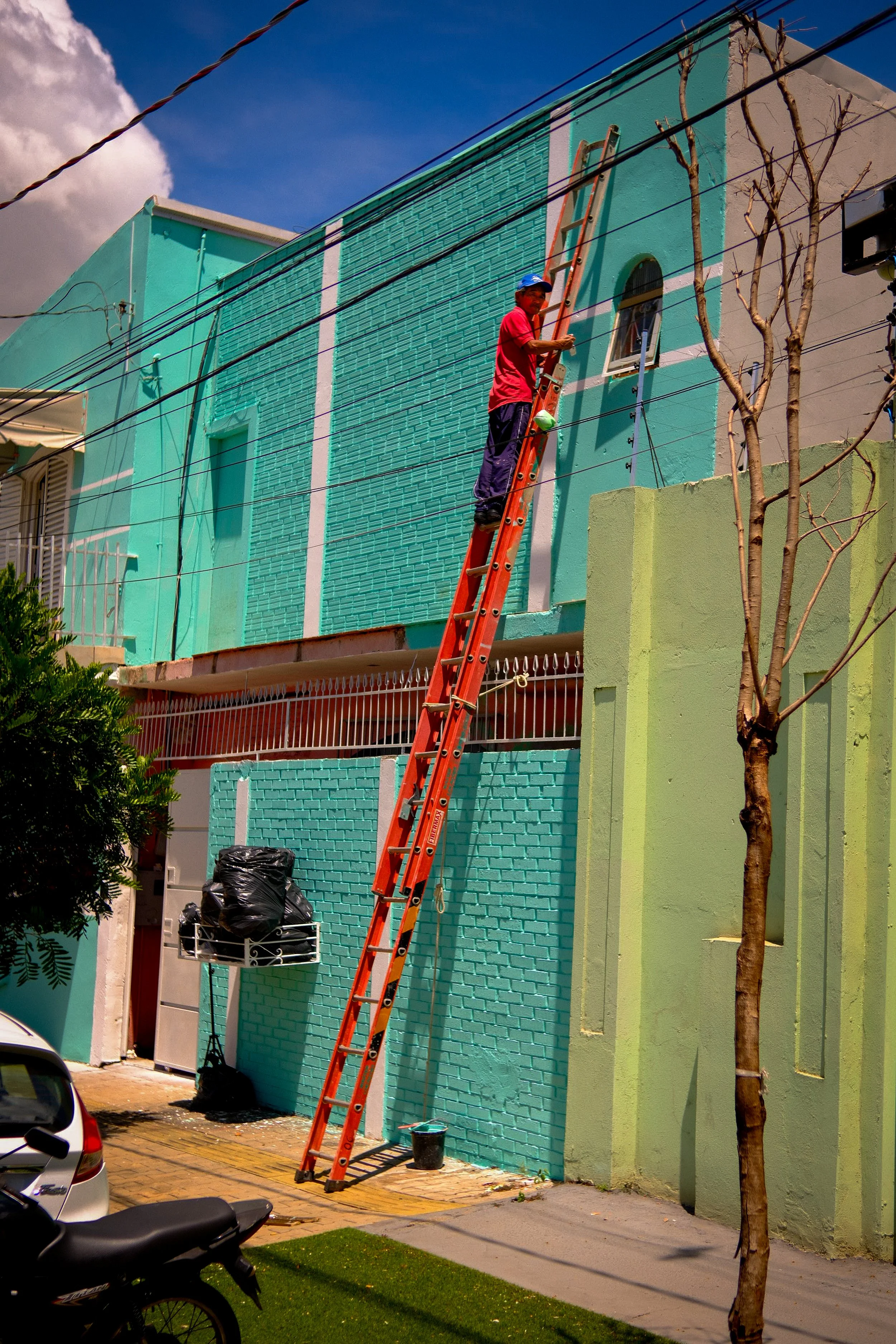
Photography has an odd habit of making holidays feel shorter and memories last longer. (This made me lol at a time of writing.)
I recently came back from Brazil, and while most people were busy hunting down the next beach or cocktail, I found myself wandering side streets with a camera in my hand. No plan. No client. No pressure. Just curiosity.
I genuinely believe we should photograph as often as we possibly can. Not because every frame will be remarkable, but because every outing teaches you something. You notice light you would have otherwise ignored. You start anticipating moments before they happen. You begin seeing photographs instead of simply seeing places.
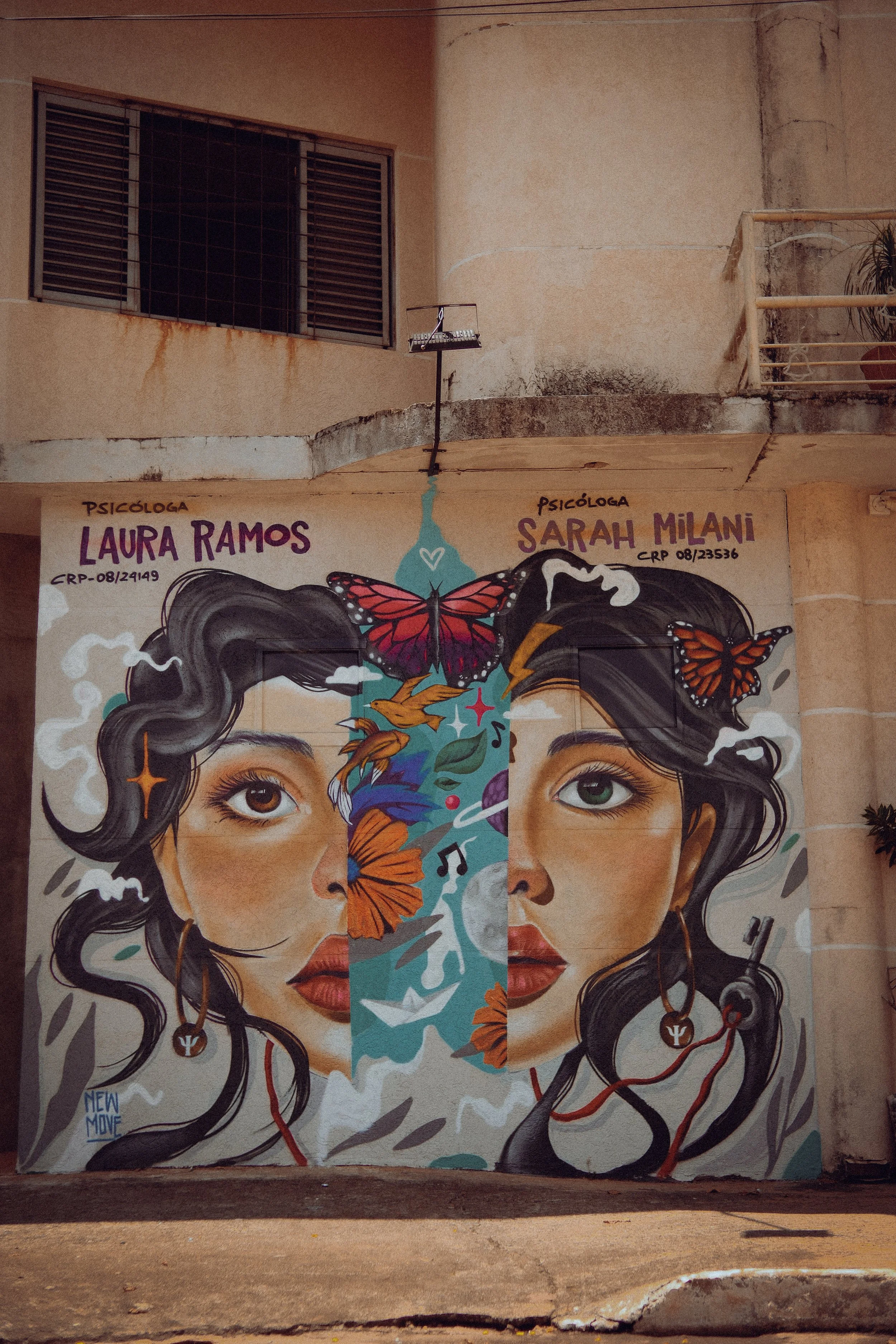
That's why holidays are such a gift. You're removed from routine. Everything feels unfamiliar, and your brain naturally becomes more observant. The colours are different. The architecture has a different rhythm. Even ordinary streets suddenly become fascinating because they're no longer your ordinary streets.
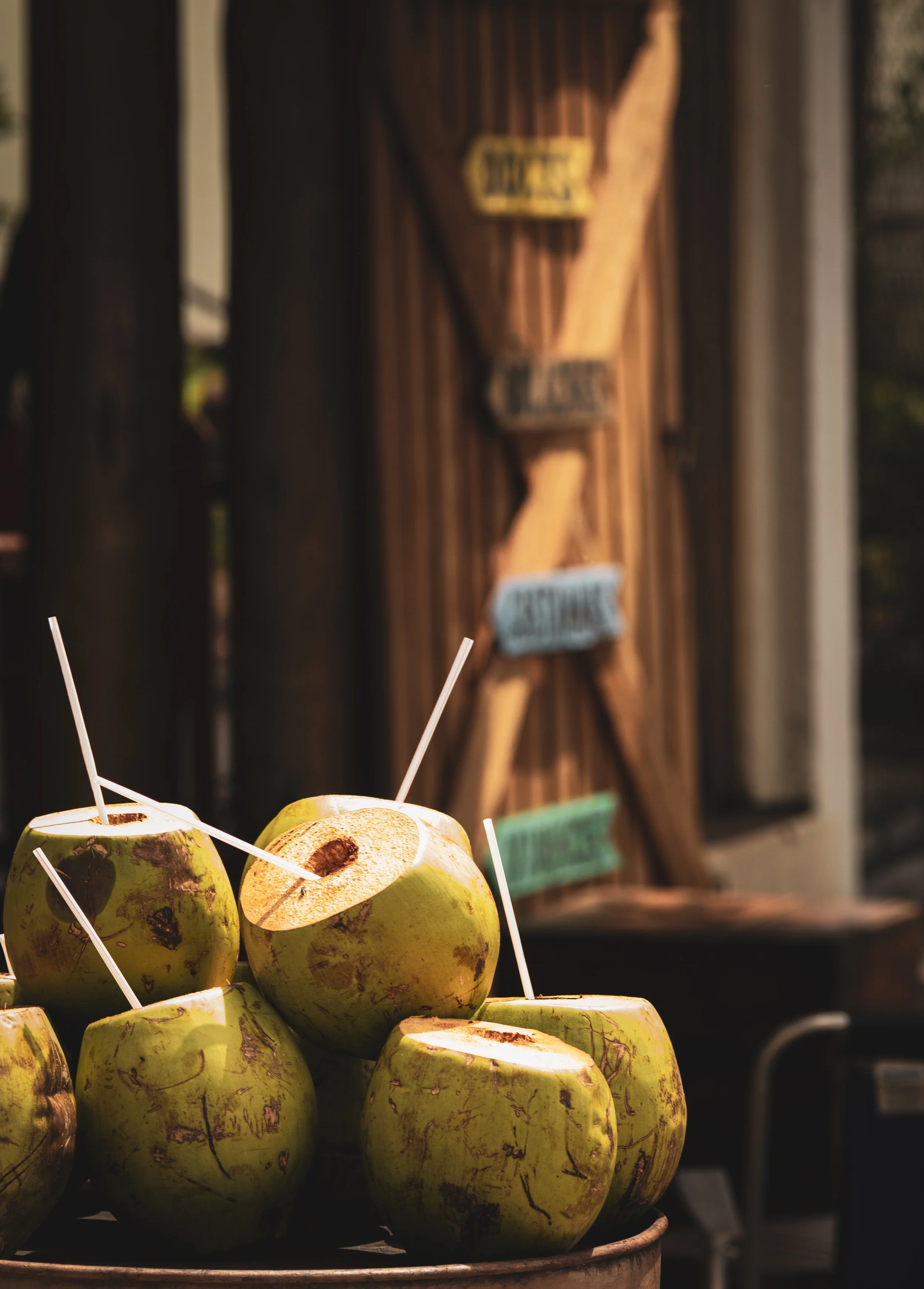
Like half the internet, I gave in to the recent obsession with making everything look impossibly cinematic. You know the look: orange highlights, teal shadows, heavy contrast, endless glow. It was fun. Really fun, in fact. Experimenting with colour grading reminded me that photography should never become too serious. Playing is part of learning.
But after spending time with those images, I realised something.
As enjoyable as the cinematic trend is, I'll happily return to what has always felt like home: film photography.
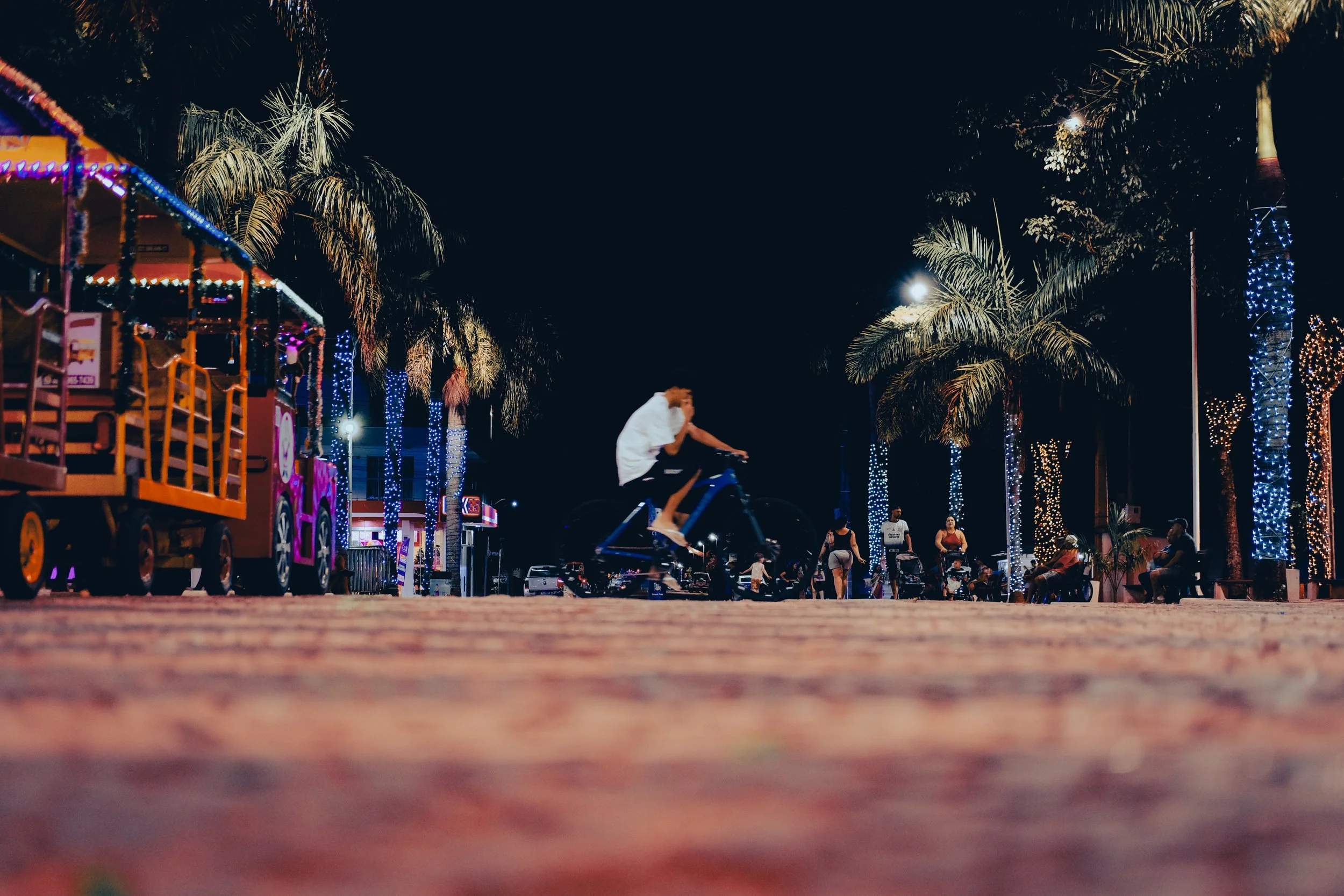
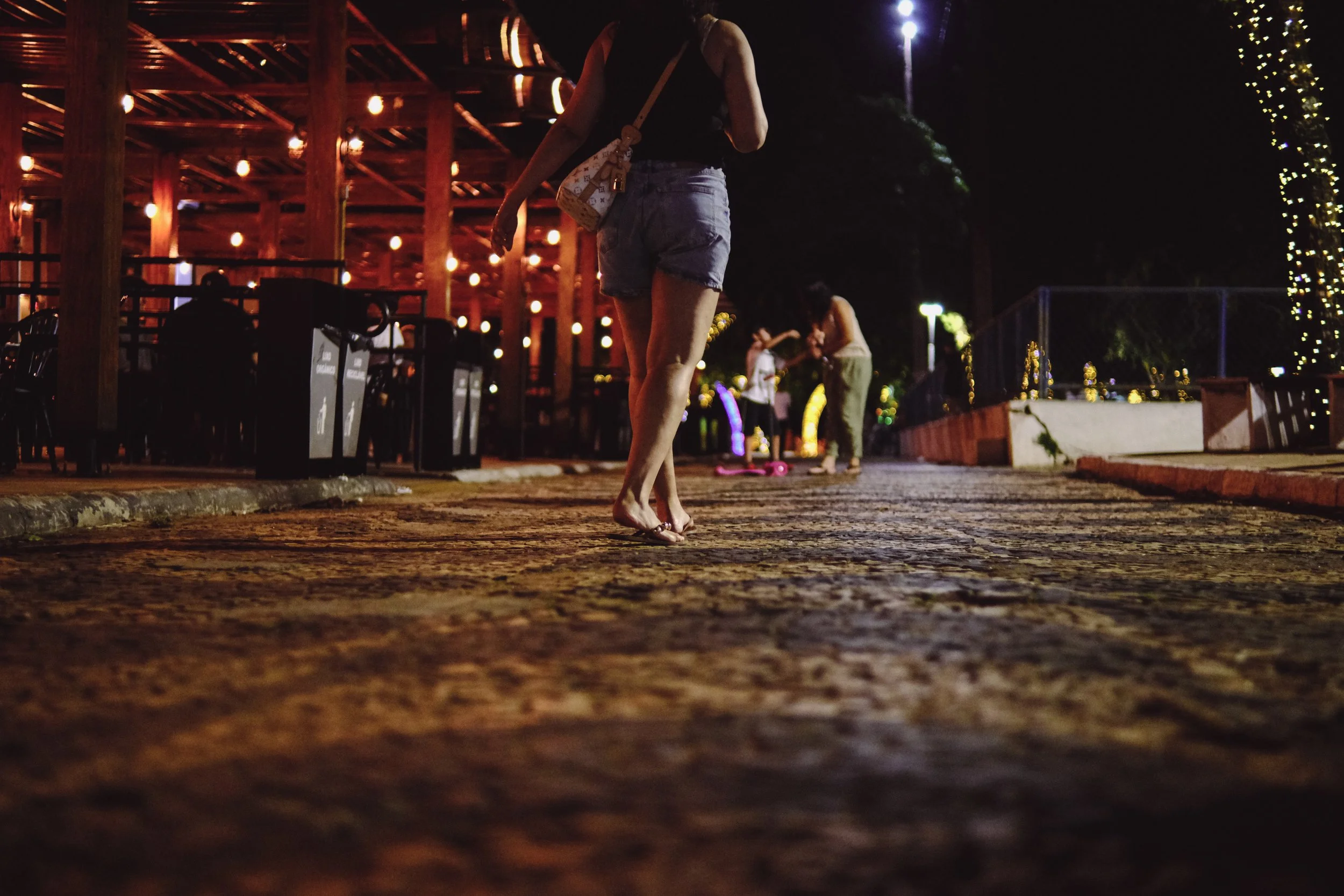
The important thing isn't chasing masterpieces every day. It's continuing to photograph, because every time you do, your visual vocabulary quietly expands. One day you'll realise you've become a better photographer without ever noticing it happening.
When a Fisheye Lens Meets a “Polish Housewife”: Why Fine Art Nude Photography Doesn't Always Have to Be Serious.
Who decided that fine art nude photography always has to be mysterious, dramatic and painfully serious? Certainly not me. Photography is storytelling, and sometimes the best stories are the ones that make people laugh before…
Who decided that fine art nude photography always has to be mysterious, dramatic and painfully serious?
Certainly not me.
Photography is storytelling, and sometimes the best stories are the ones that make people laugh before they stop to appreciate the craftsmanship behind the image. This shoot was never about creating the "perfect" photograph, it was about creating a character.
The inspiration came from a familiar sight in many Polish homes: the unstoppable housewife who has spent the entire day cleaning, cooking, washing, ironing and generally keeping the world turning. But what happens when she's finally had enough?
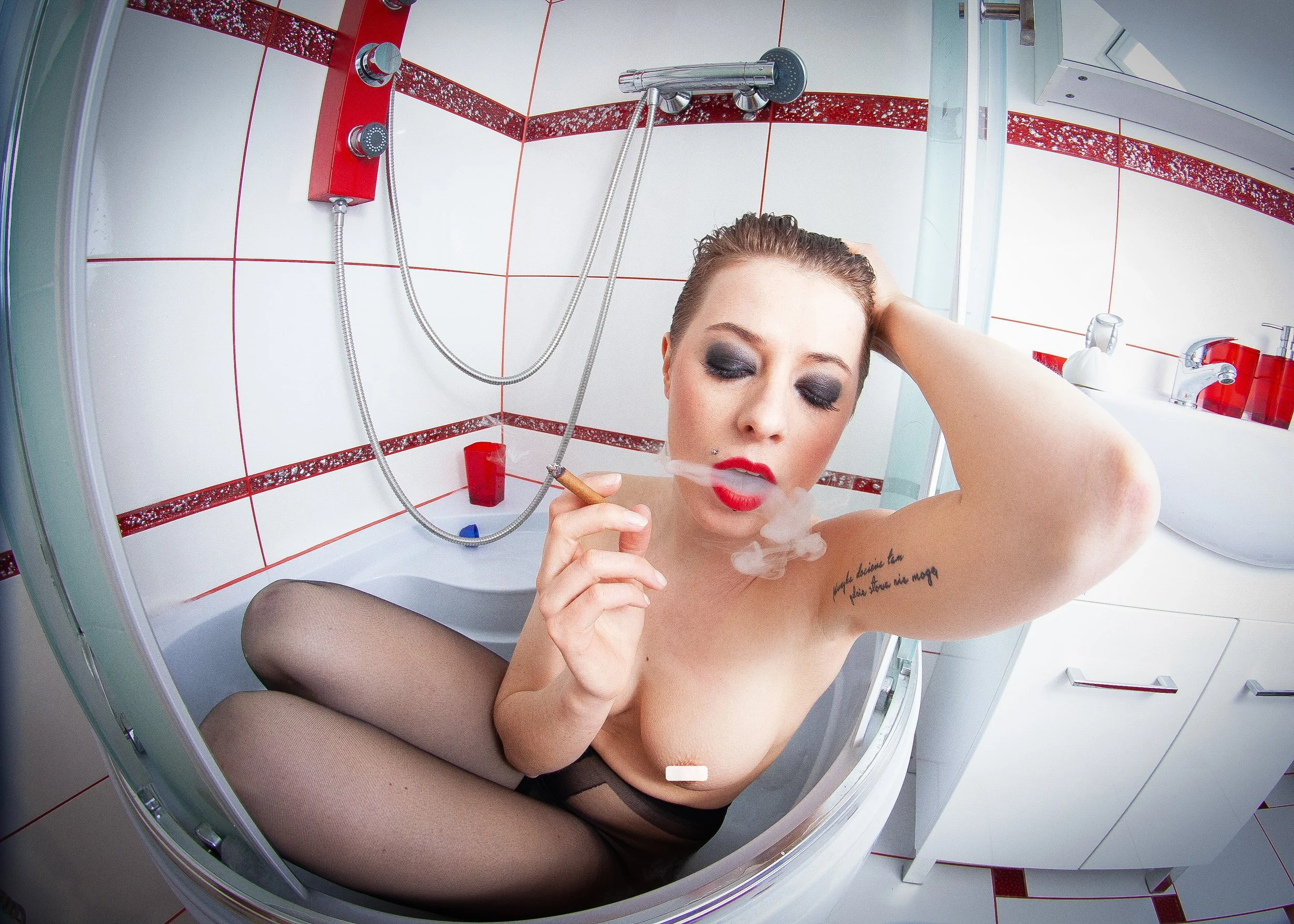
She takes five minutes for herself.
Or at least she tries to.
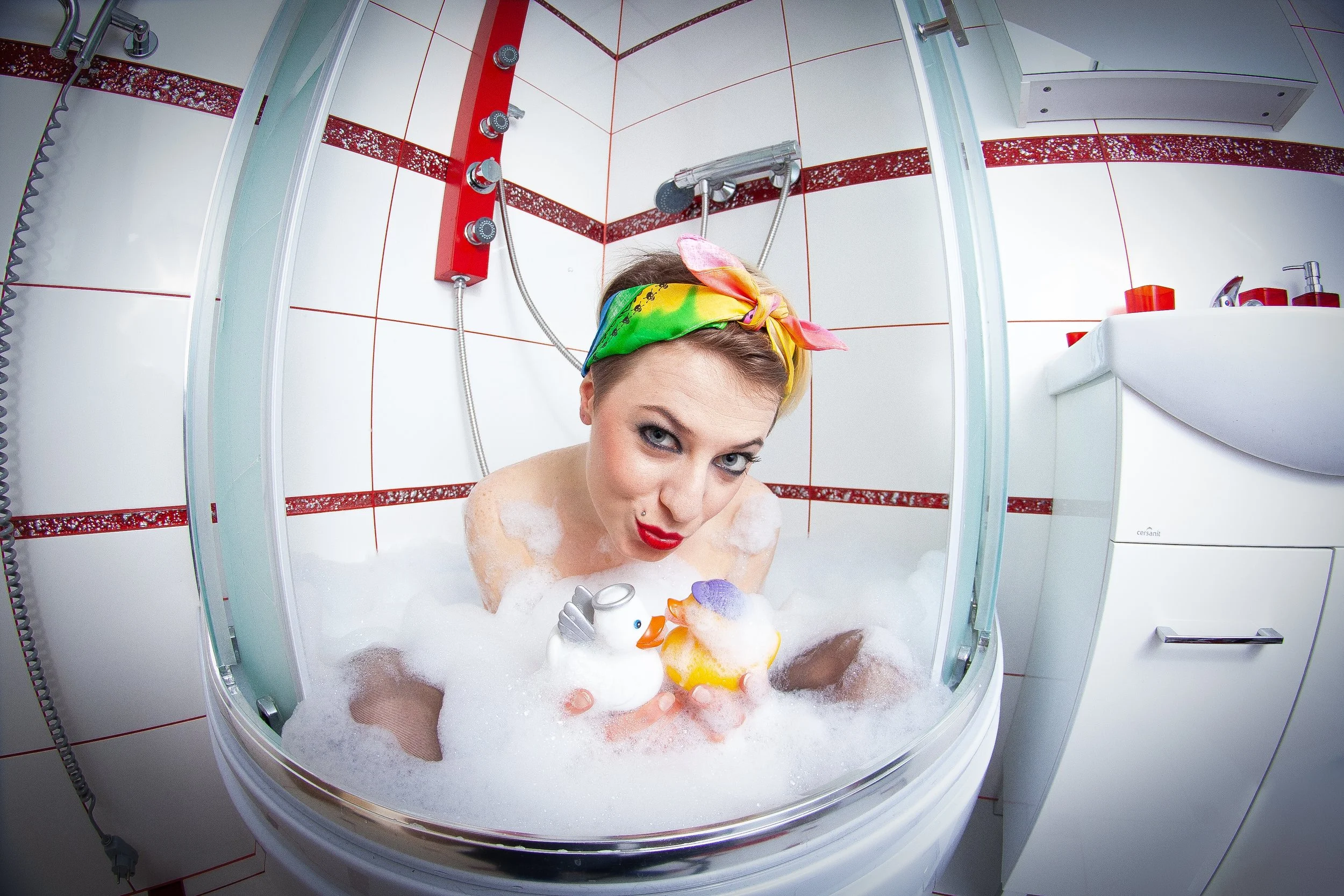
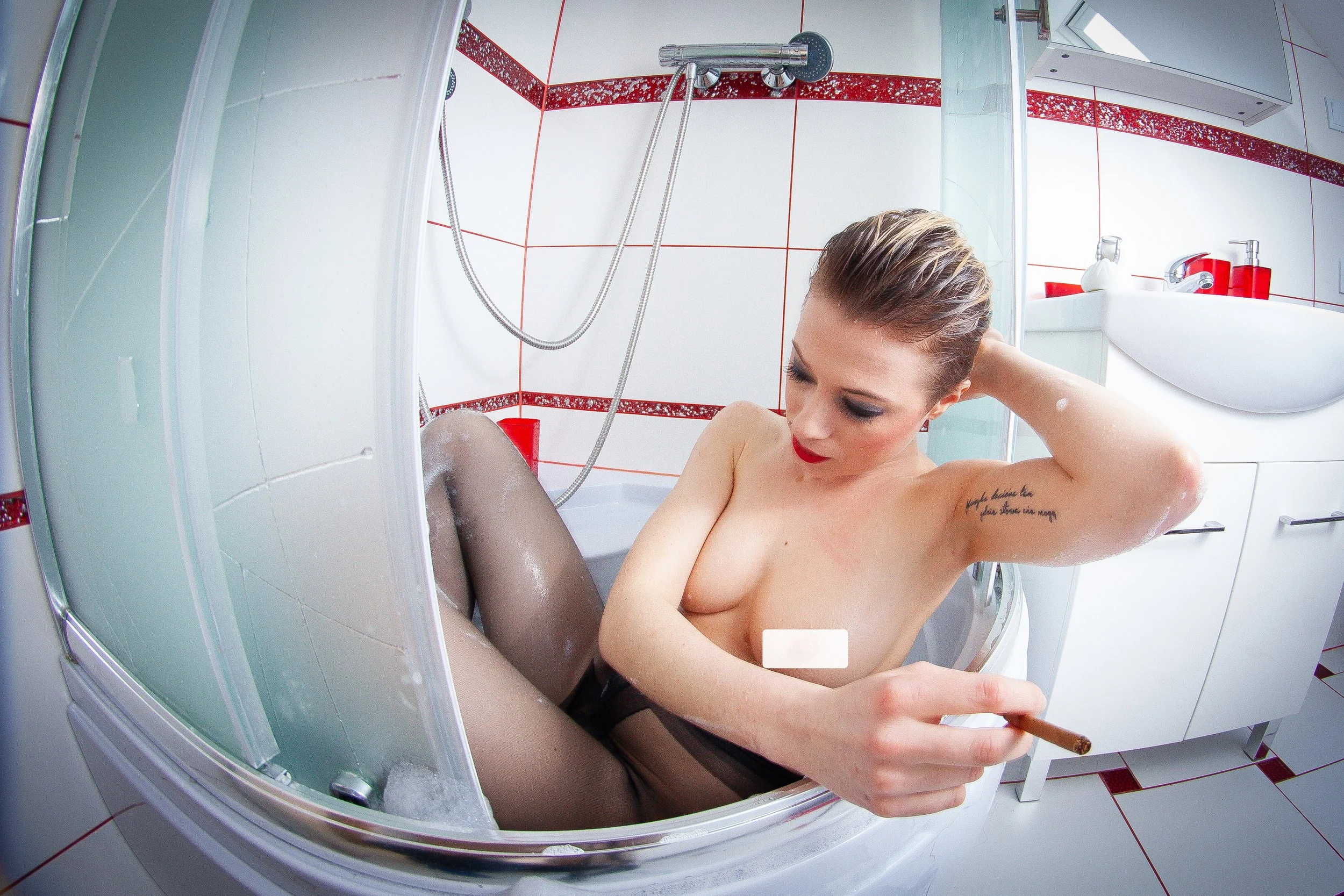
Instead of a glamorous Hollywood ending, we imagined a wonderfully mischievous scene. The washing machine is open and ready for another round of clothes that are scattered around the bathroom as if another mountain of laundry is waiting, and our hard working heroine has decided she's earned a cheeky cigar. It's a moment of rebellion, a tiny celebration after surviving another domestic marathon.
The fisheye lens became the perfect partner in crime.
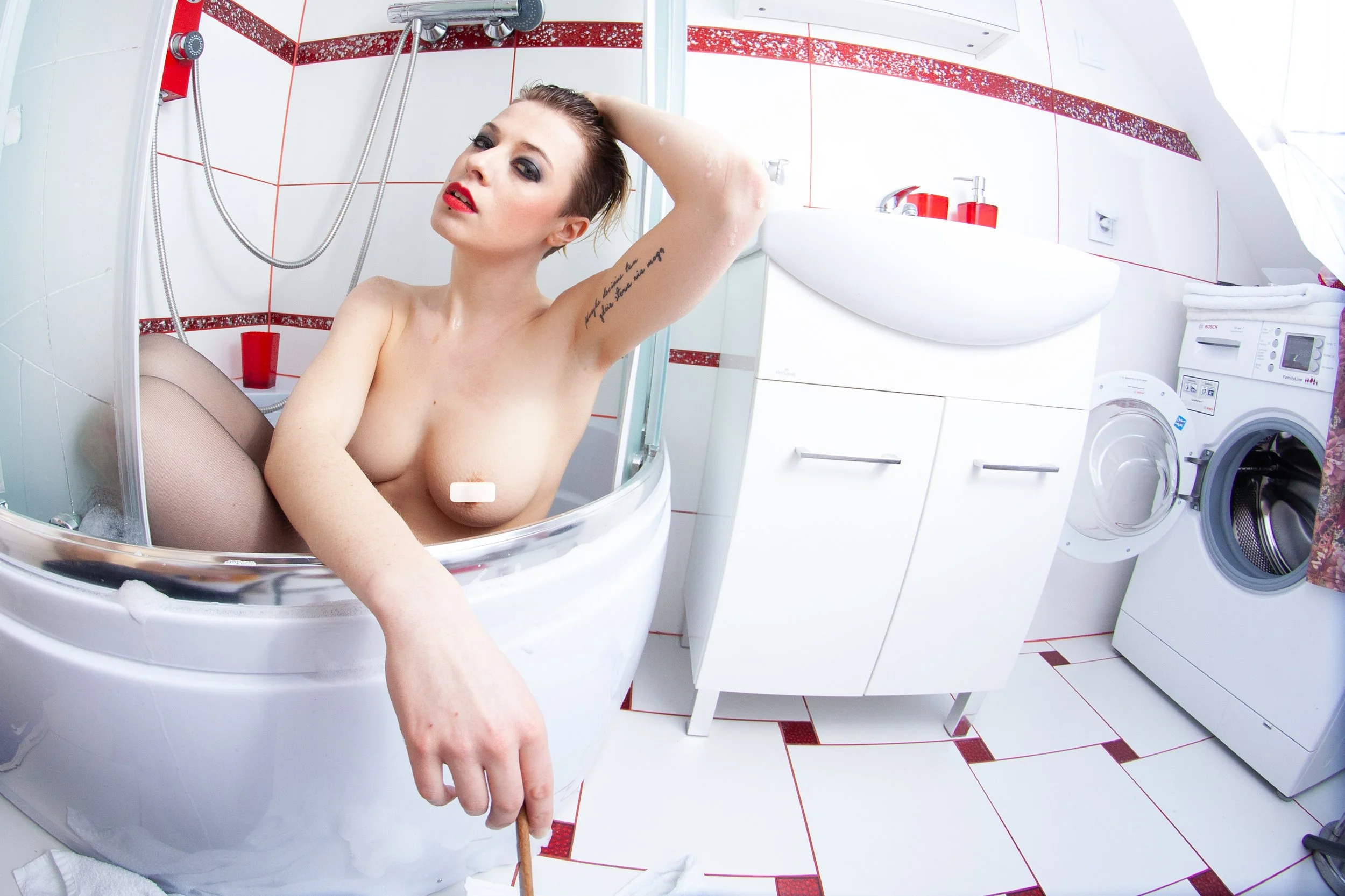
Most photographers avoid fisheye lenses for portraits because they exaggerate perspective so dramatically. Faces stretch, hands become enormous and rooms suddenly seem twice their actual size. Those "flaws" were exactly what made this project work.
Every frame became slightly ridiculous in the best possible way.
The distorted perspective made the washing machine feel larger than life, the bathroom wonderfully chaotic and every playful pose even more exaggerated. It was as though the viewer had stepped into a comic strip where everyday household chores had been turned into visual theatre.
The model embraced the role brilliantly. Rather than posing like a traditional fashion model, she became the character completely. Every expression, every glance and every exaggerated gesture added another layer to the story. The cigar wasn't there to make her look glamorous, it was the punchline. A humorous little reward after conquering endless piles of laundry.
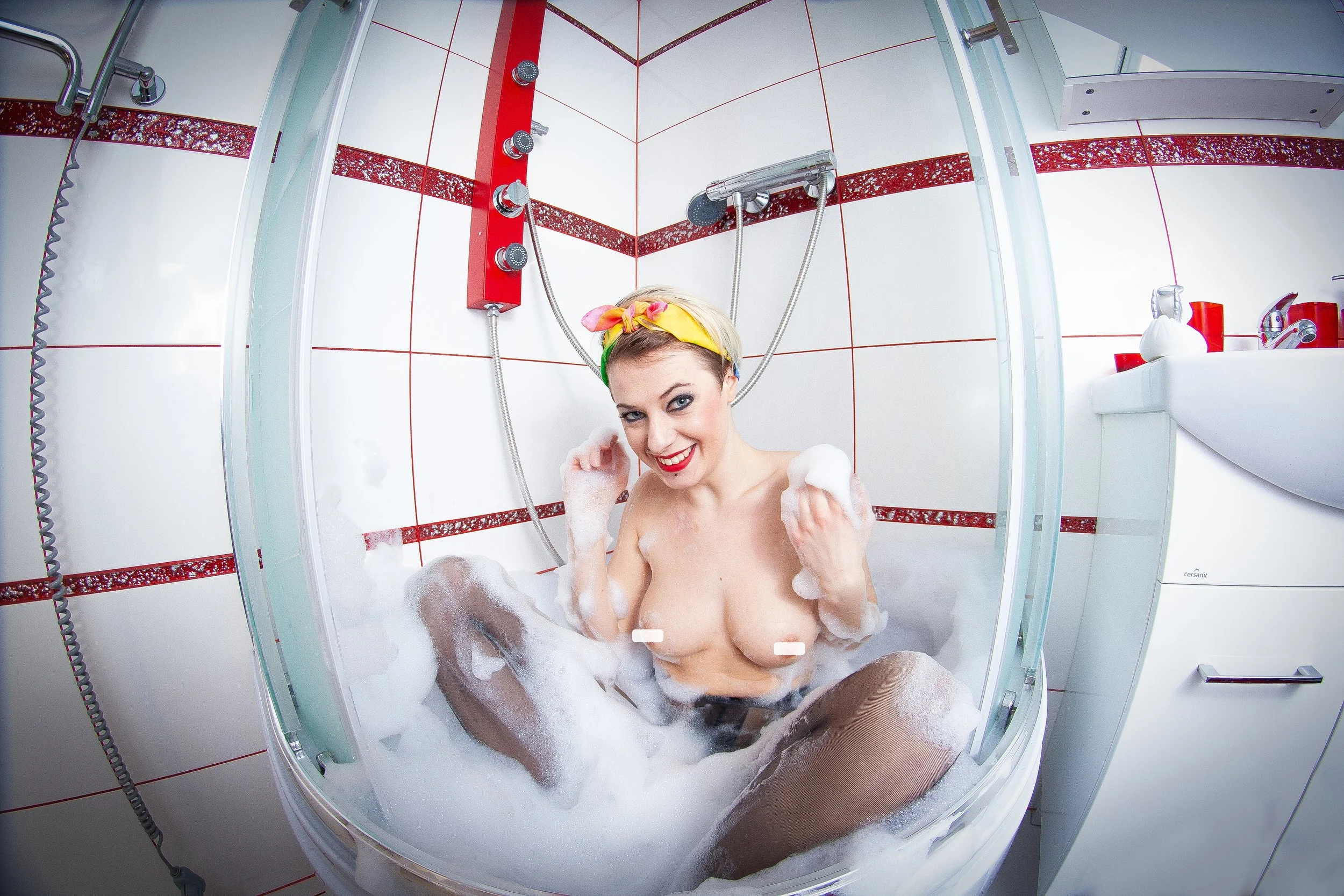
Even though the photographs feature artistic nudity, the intention was never to shock. The body simply became another storytelling element, adding honesty, vulnerability and humour to an otherwise ordinary domestic setting. The viewer isn't invited to stare, they're invited to smile.
That's one of the reasons I love creative photography.
It allows you to take the most ordinary ideas, a bathroom, a washing machine, clothes left carelessly around and transform them into something unexpected. Suddenly, a space everyone recognises becomes the stage for a playful visual narrative.
The technical side of the shoot was just as enjoyable. Working with a fisheye lens isn't as simple as pointing it at a subject. Every movement changes the composition dramatically, and every centimetre closer or further away completely alters the relationship between the model and the environment. Controlling those distortions while keeping the story believable became part of the creative challenge.
In the end, that's what this series is really about.
Not perfection.
Not glamour.
Not taking ourselves too seriously.
Just a hardworking Polish housewife, a washing machine that never seems to stop, clothes scattered everywhere, a well earned cheeky cigar, and a fisheye lens turning everyday life into something wonderfully absurd.
Because sometimes the best fine art photographs aren't the ones that leave people speechless.
They're the ones that leave them smiling.
Brazil Through a Fashion Lens – Part III: A Simple Day of Shooting.
Not every photoshoot needs an extraordinary concept. Sometimes all you need is a beautiful model, a couple of carefully chosen outfits and a willingness to explore whatever is nearby. That's exactly how this shoot in…
Not every photoshoot needs an extraordinary concept.
Sometimes all you need is a beautiful model, a couple of carefully chosen outfits and a willingness to explore whatever is nearby.
That's exactly how this shoot in Brazil came together.
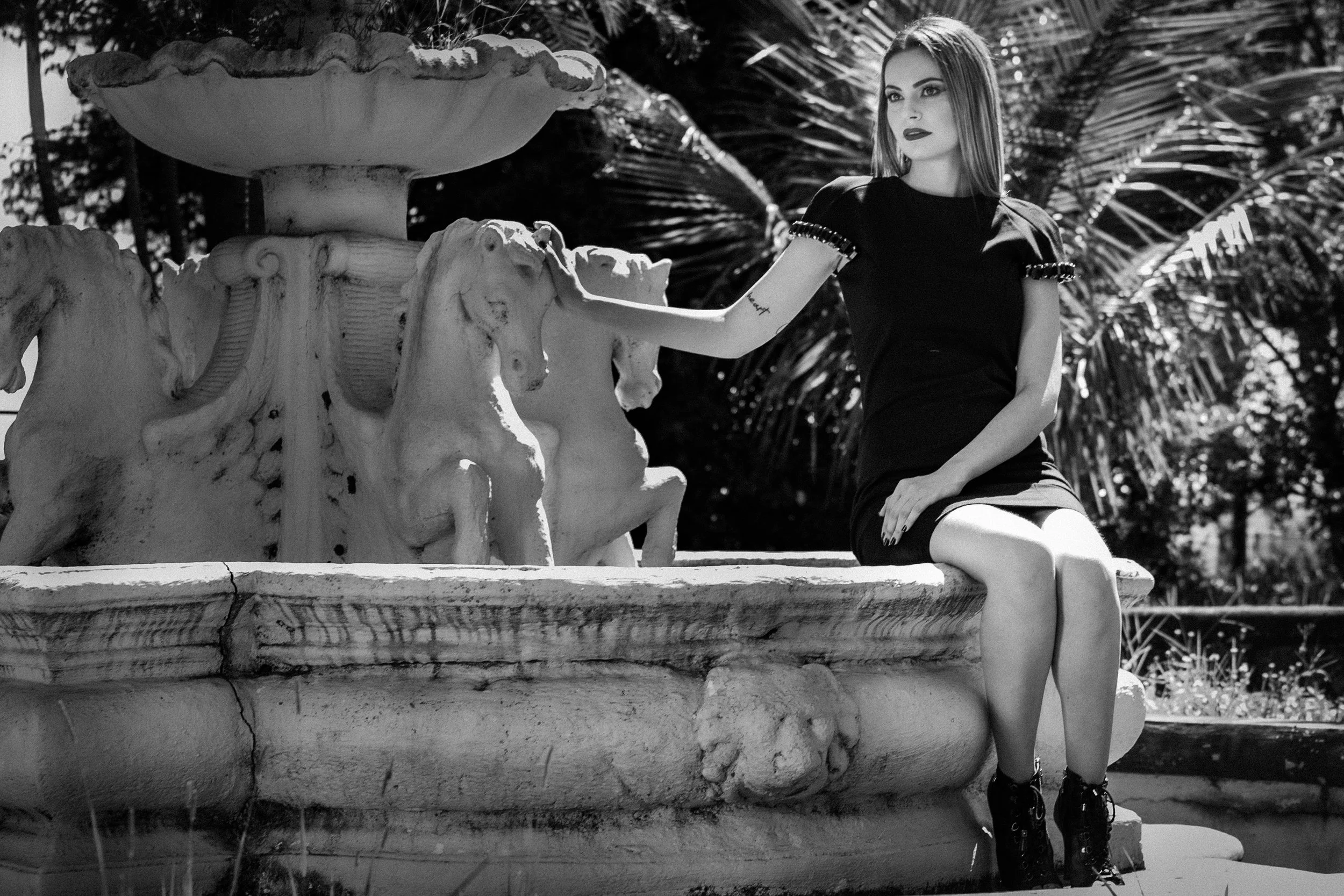
There was no strict plan, no elaborate lighting setup and no famous location waiting for us. We simply walked, talked and looked for places that caught our attention. A quiet side street, a textured wall, an old doorway, a set of worn steps or a colourful building became the backdrop for the next set of photographs.
The beauty of working this way is that it keeps everything relaxed. Instead of rushing from one location to another, we allowed the surroundings to guide us. If the light looked interesting, we stopped. If an outfit suited a particular street or building, we photographed it there. The day unfolded naturally, one location at a time.
The model changed between a couple of different looks, each bringing a slightly different mood while keeping the shoot fresh. Some outfits felt elegant and sophisticated, while others were effortless and casual, reflecting the easy-going atmosphere of the day.
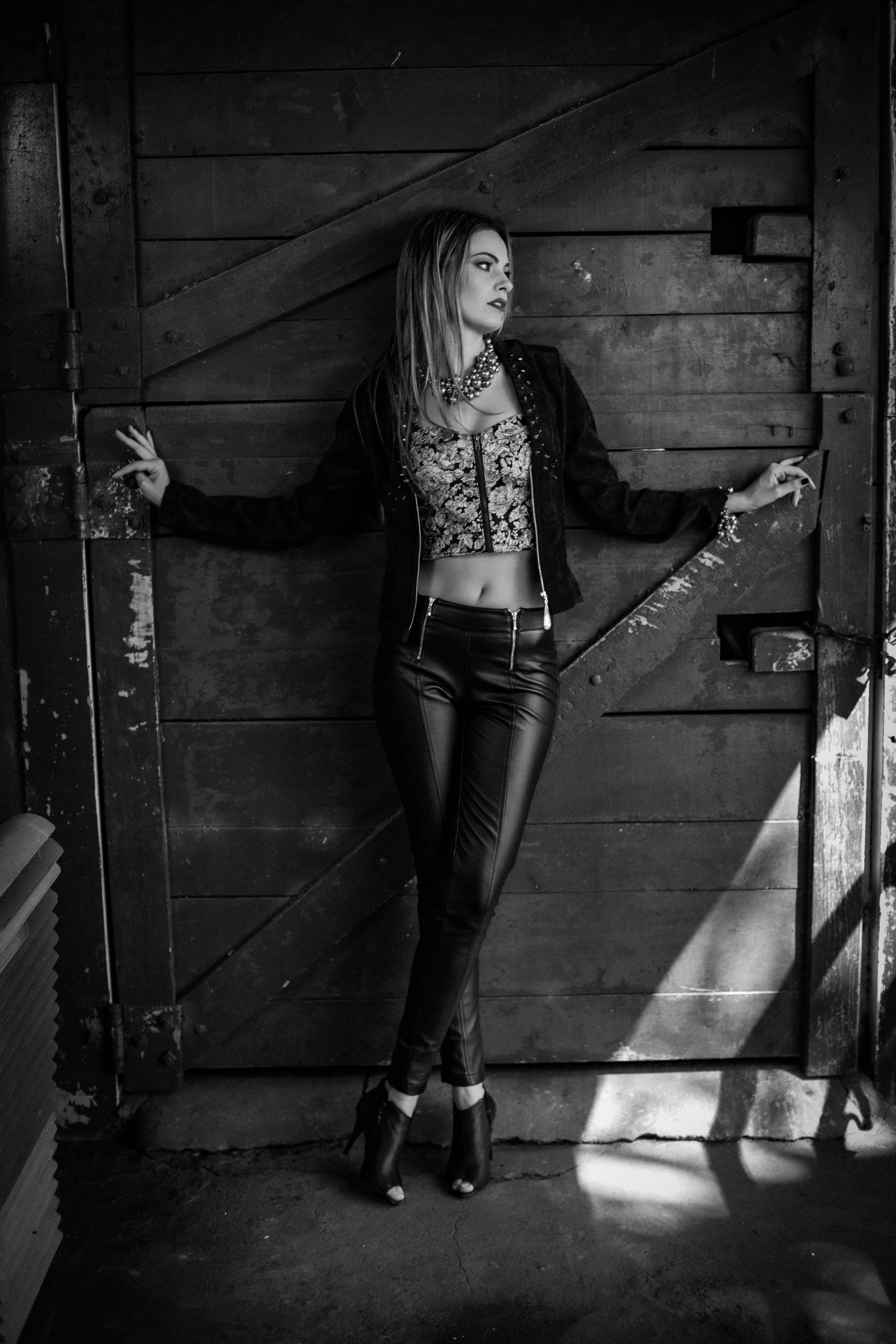
Natural light did the rest. As the sun moved across the sky, so did we, constantly adapting to changing shadows and softer light. Rather than trying to control every detail, we embraced what was already there.
Looking back, that's what I enjoyed most.
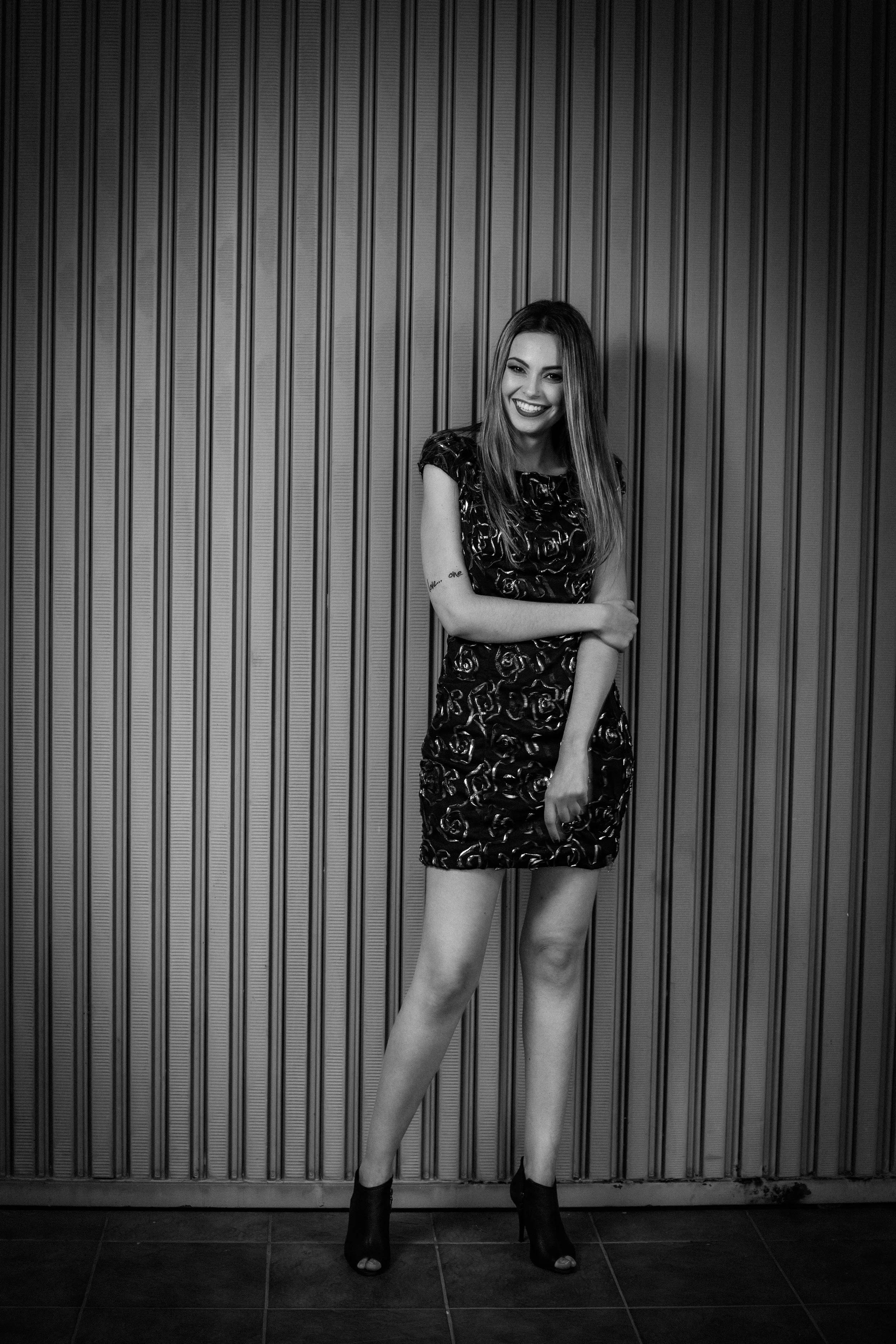
Photography doesn't always have to be complicated. Sometimes the strongest images come from a simple day spent walking with a camera, finding inspiration in ordinary places and allowing creativity to happen naturally.
Brazil reminded me that beautiful photographs aren't defined by expensive sets or iconic locations. They're created through good company, great light and the willingness to see potential in the places everyone else walks straight past.
Brazil After Dark – Part II: Finding Inspiration Beyond the Obvious.
Some journeys begin with a destination. Others begin with a feeling. My trip to Brazil wasn't simply about photography. It was about immersing myself in a culture that refuses to exist in half measures. Every street seemed to pulse…
Some journeys begin with a destination. Others begin with a feeling.
My trip to Brazil wasn't simply about photography. It was about immersing myself in a culture that refuses to exist in half measures. Every street seemed to pulse with rhythm, every conversation carried warmth, and every sunset felt like nature reminding you that colour is only one language light can speak.
Brazil has a remarkable way of making you slow down. It encourages observation rather than consumption. I found myself spending hours watching how afternoon light reflected from painted buildings, how silhouettes formed against the Atlantic horizon and how darkness arrived gradually, never suddenly. It wasn't the famous landmarks that inspired me, it was the ordinary moments hiding between them.
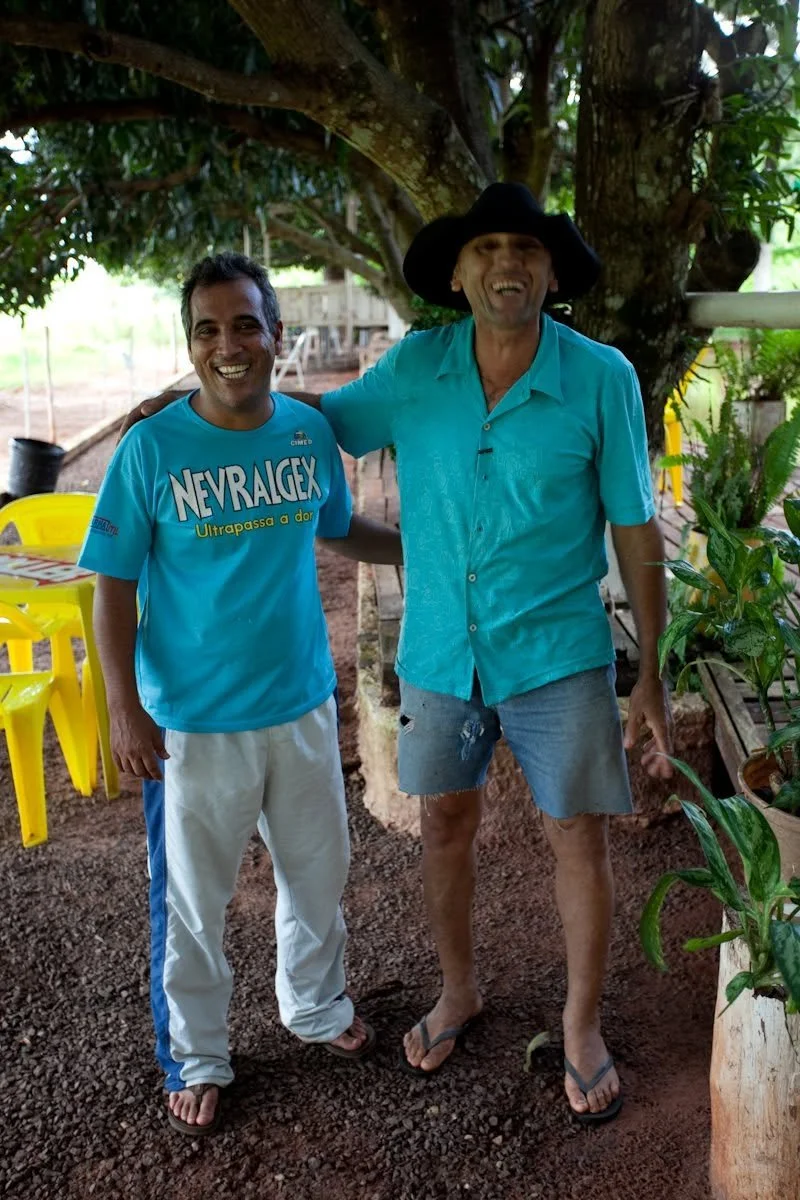
The people became part of that inspiration.
There is a confidence that seems deeply woven into Brazilian culture. Not arrogance, but comfort. A willingness to occupy space naturally, to move without self consciousness and to express emotion without apology. Watching that confidence made me rethink portraiture entirely.
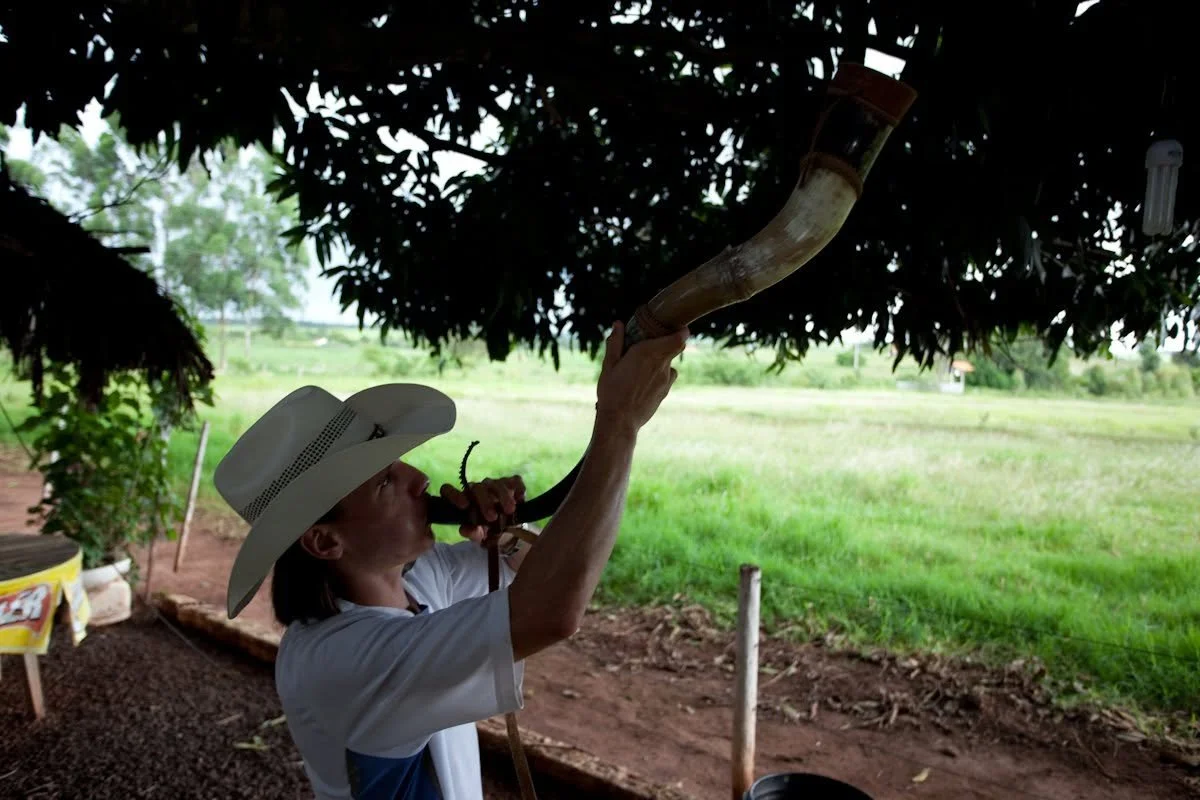
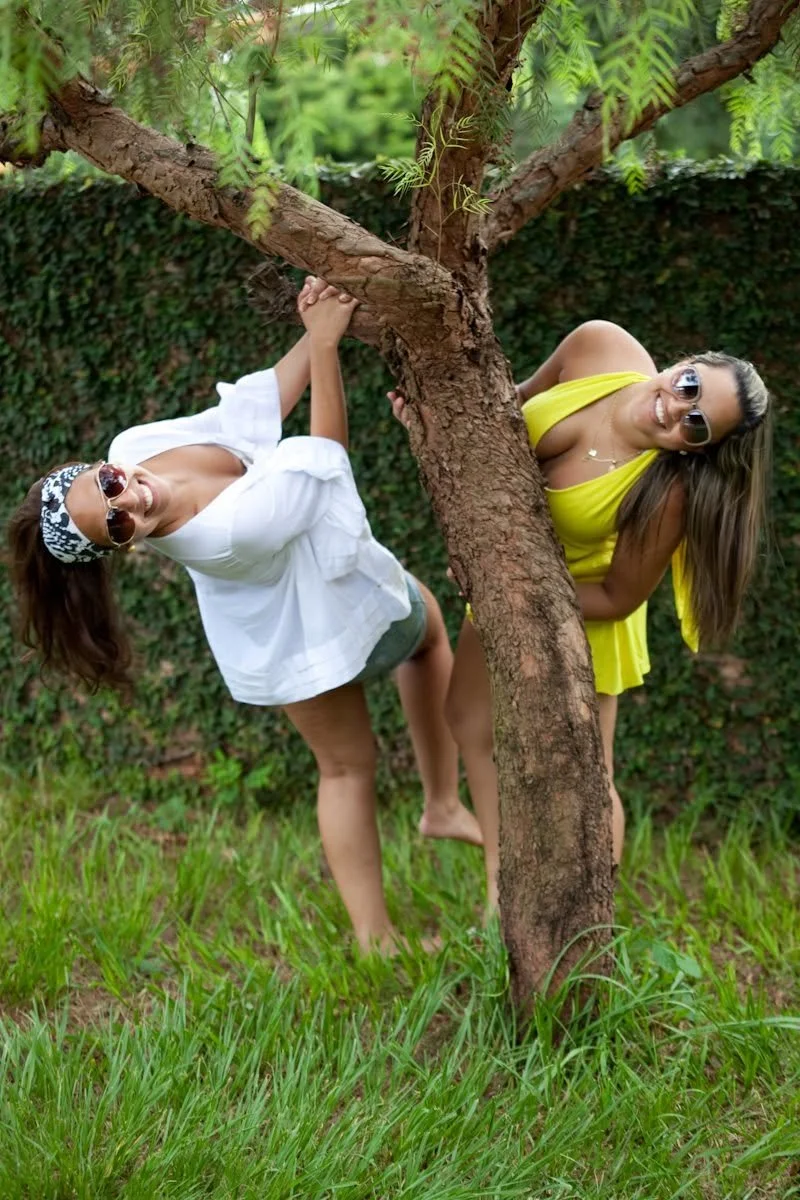
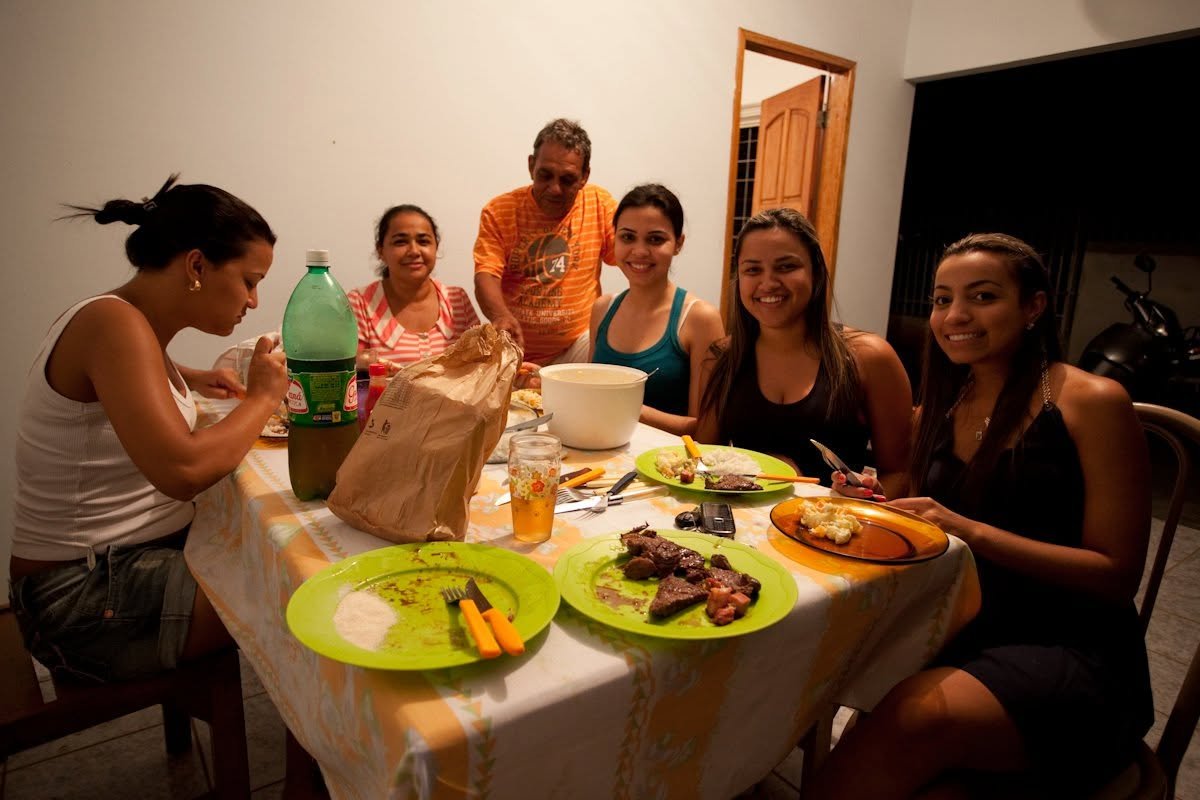
I knew I didn't want to recreate Brazil literally. Photography is at its strongest when it interprets an experience rather than documents it. Instead, I wanted to capture the emotions I had carried back with me the mystery of unfamiliar streets, the quiet confidence I had observed, and the way darkness in Brazil never seemed empty. It always contained possibility.
That became the foundation for a two-part night photography project.
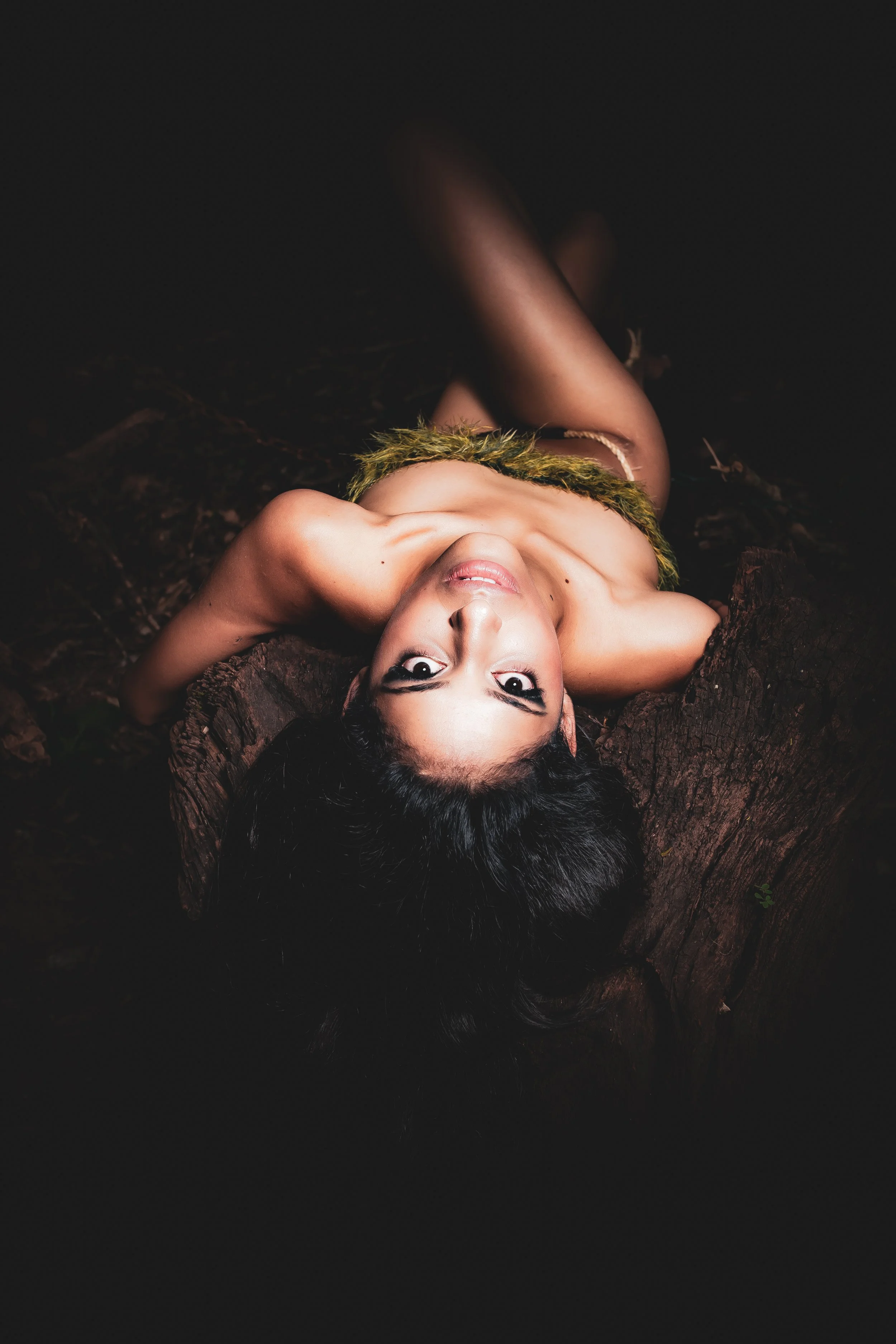
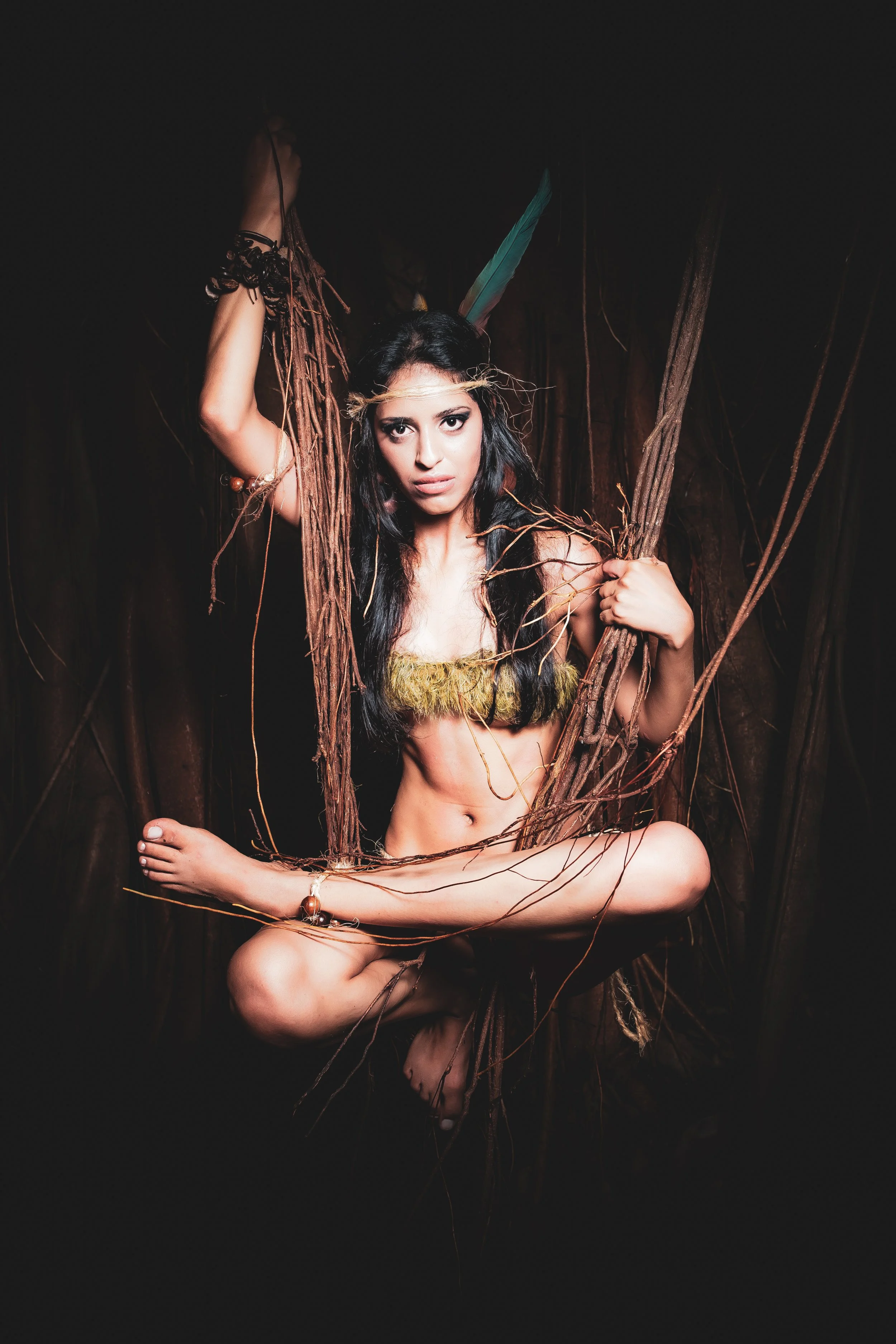
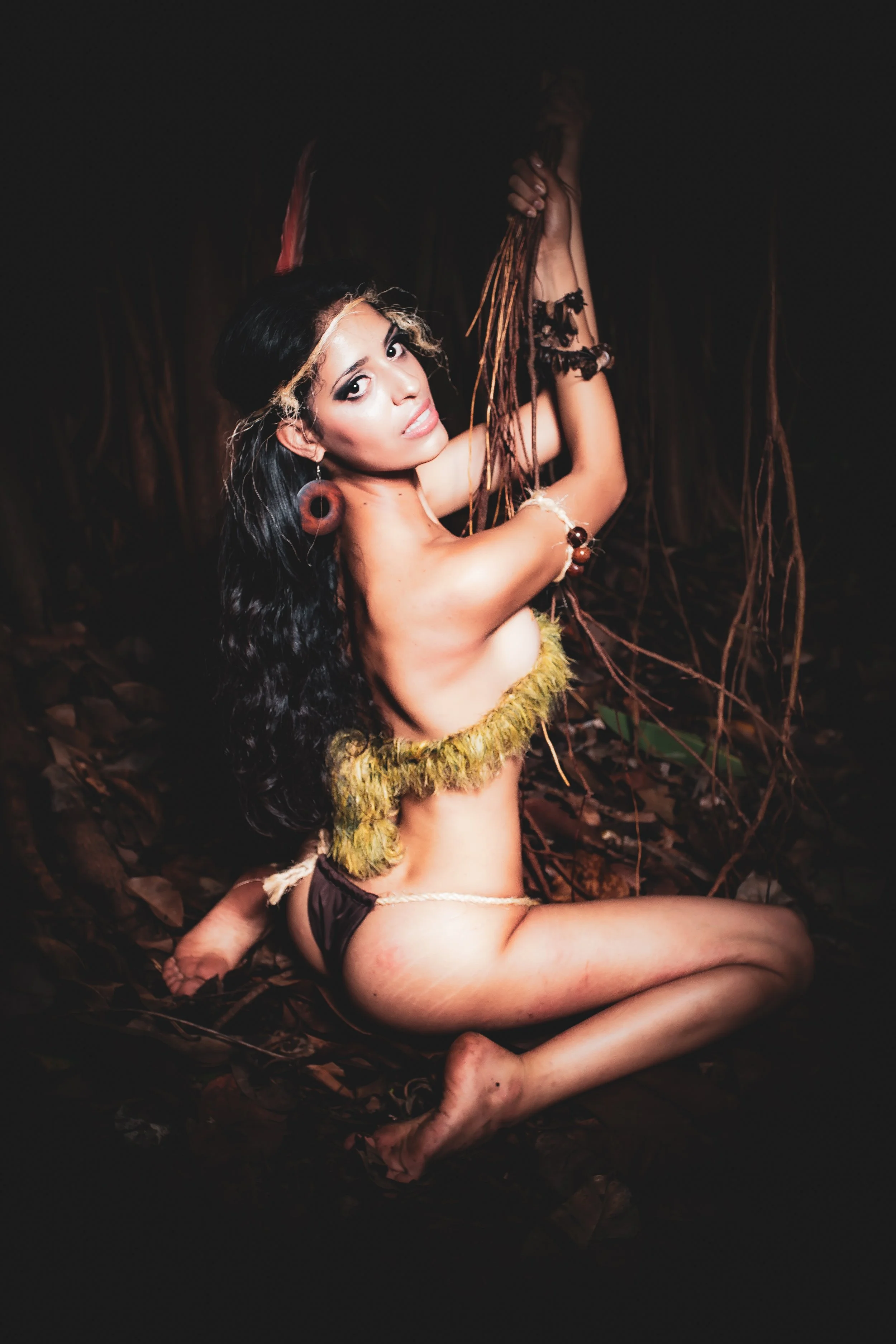
The model wasn't there simply to pose. She became a character moving through imagined spaces inspired by memory rather than geography. Every expression was understated, every gesture deliberate, every frame asking more questions than it answered.
The challenge wasn't finding enough light.
It was deciding how little I actually needed.
Darkness became part of the composition instead of something to overcome. Rather than revealing everything, I allowed large areas of the frame to disappear into shadow. The viewer's imagination completed what the camera intentionally left unseen.
That restraint was directly inspired by Brazil.
Sometimes the most memorable experiences aren't the ones we see most clearly. They're the ones we remember only in fragments the sound of distant music, warm evening air, reflections on wet streets and faces illuminated for only a brief second before fading back into darkness.
Photography can work in exactly the same way.
A great image doesn't explain everything.
It invites the viewer to return again and again, discovering something new each time they look.
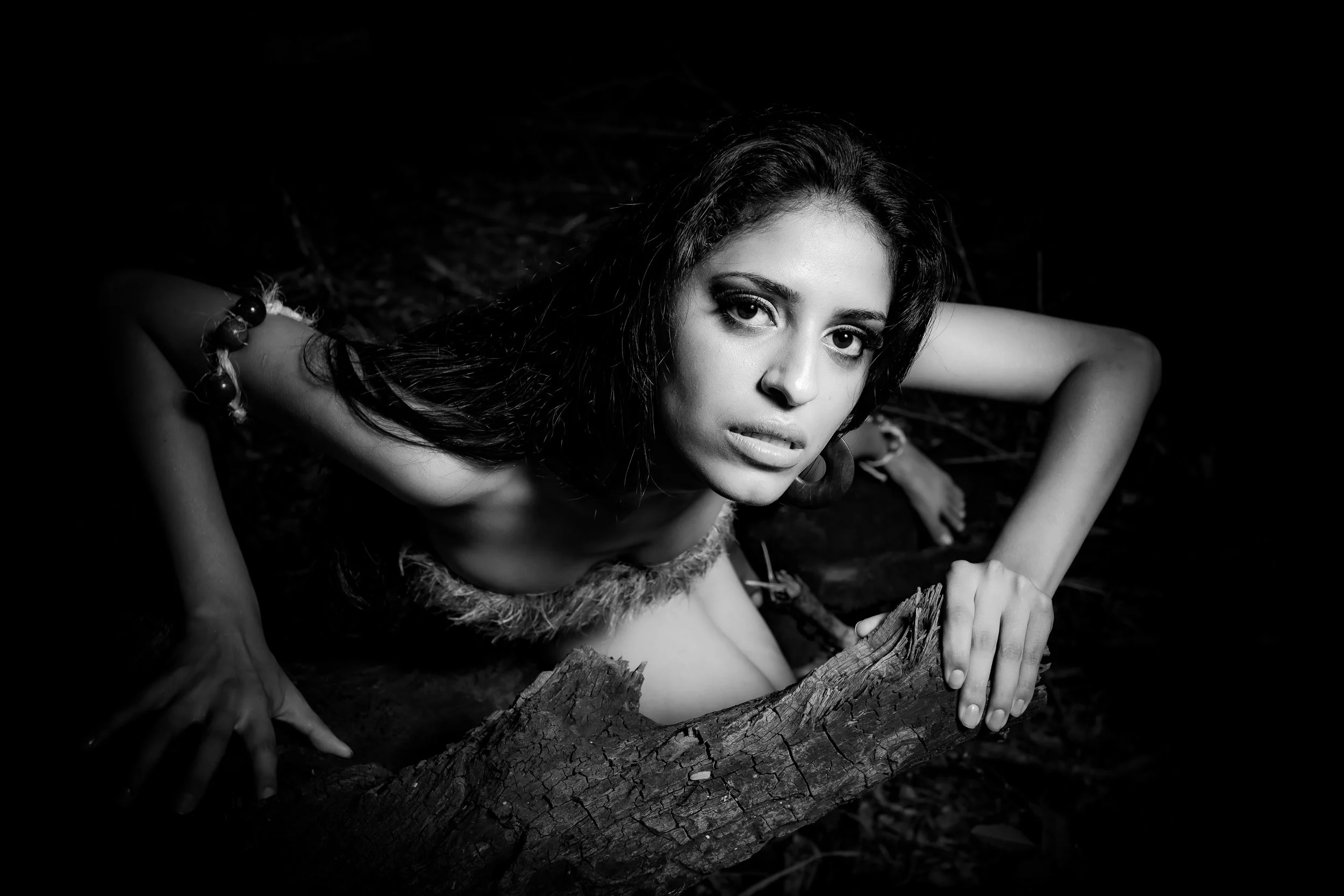
Brazil After Dark – Part I: Painting With Flash, Shaping With Shadow
When people hear the word "flash," they often imagine a bright burst of light that removes every shadow and reveals every detail. My goal was exactly the opposite.This project became an exercise in using flash to protect the darkness…
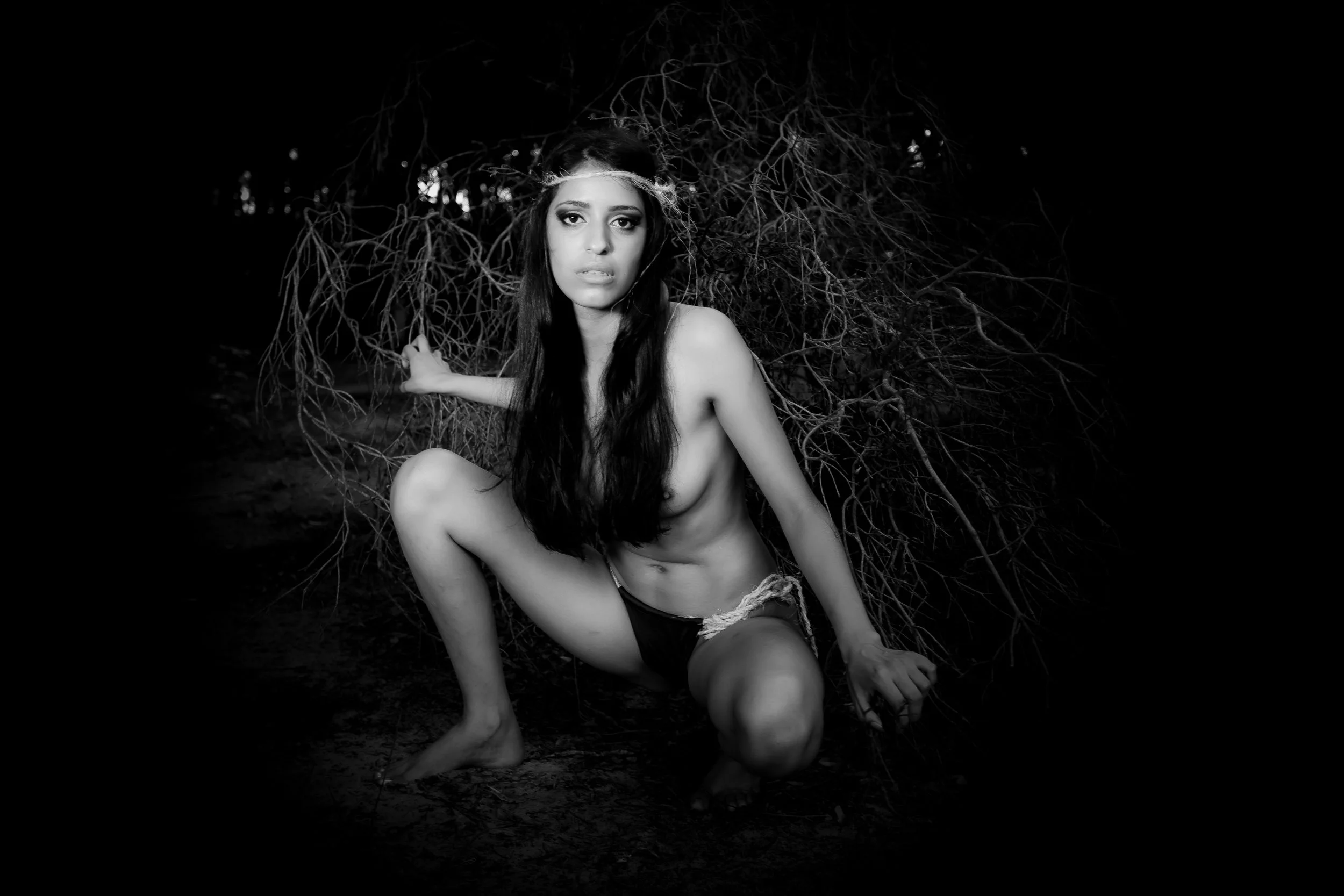
When people hear the word "flash," they often imagine a bright burst of light that removes every shadow and reveals every detail.
My goal was exactly the opposite.
This project became an exercise in using flash to protect the darkness rather than eliminate it.
Inspired by the atmosphere I experienced in Brazil, I wanted the photographs to feel cinematic as though the viewer had stumbled upon a fleeting moment instead of witnessing a carefully planned shoot. Achieving that illusion required an enormous amount of technical control hidden beneath apparent simplicity.
Every flash had a purpose.
Every light stood exactly where it needed to be.
Rather than flooding the scene with illumination, I built the photographs one small highlight at a time. A faint edge of light defining a shoulder. A narrow beam catching part of the face. A subtle reflection on textured walls. Everything else was allowed to disappear into shadow.
The absence of light became just as important as the light itself.
This approach demanded patience. Flash output, beam angle, modifiers, distance from the subject and ambient exposure all had to work together perfectly. A change of only a few centimetres could completely alter the mood of the image. Sometimes adding more light made the photograph weaker, while reducing it transformed the entire scene.
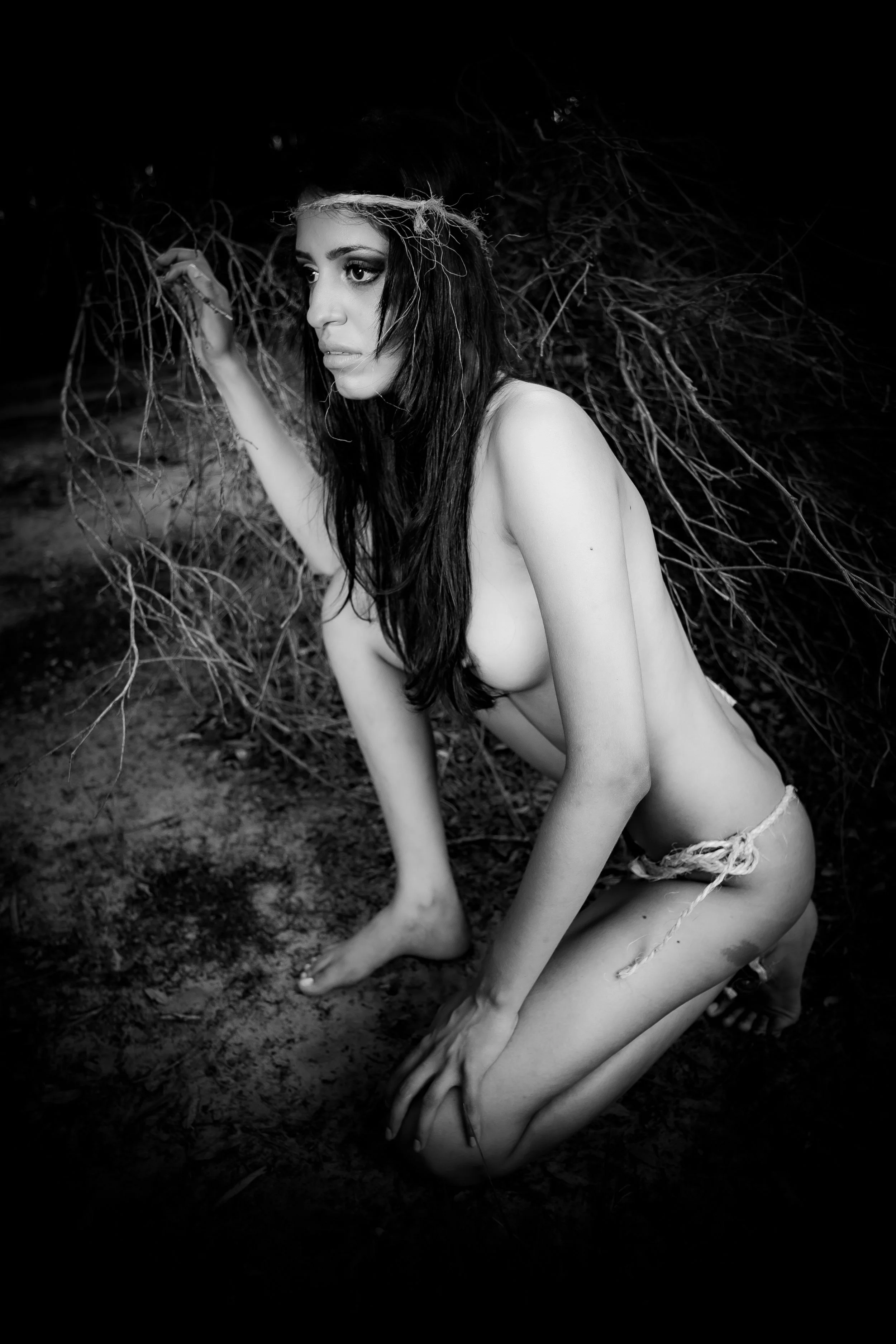
The beautiful model at the centre of the project became less of a subject and more of a visual anchor around which the light was sculpted. Her expressions remained calm and introspective, never competing with the environment but becoming part of it. Rather than dominating the frame, she existed within it, allowing darkness and carefully placed highlights to work together as equal partners in the composition.
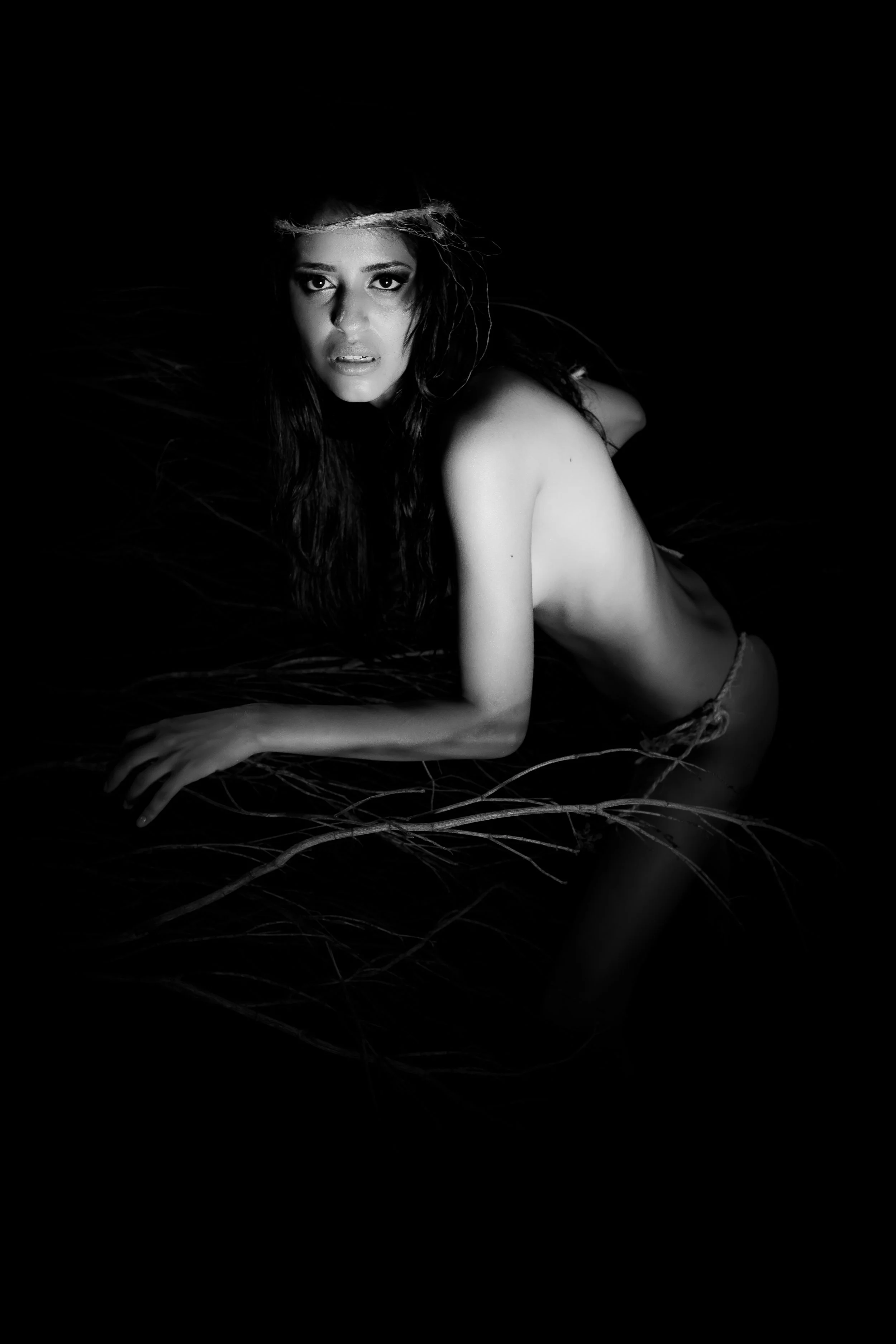
I wanted viewers to pause.
To wonder where the light was coming from.
To question what remained hidden beyond the edges of the frame.
Those unanswered questions create engagement. The eye travels through the photograph, moving between illuminated details before settling into darkness, where imagination quietly takes over.
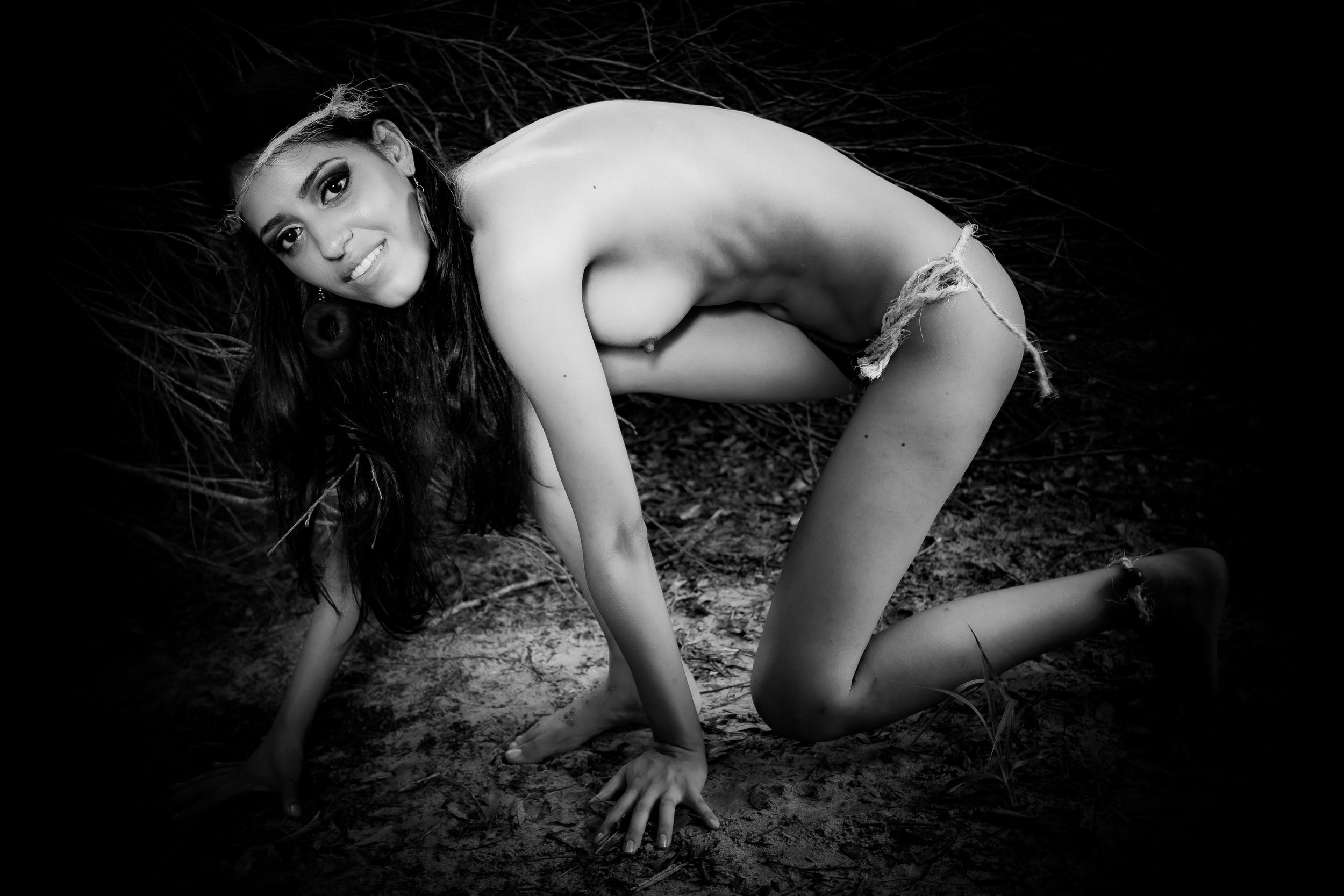
That, for me, is where photography becomes something more than documentation.
It's no longer about recording reality.
It's about constructing an emotional experience.
Brazil reminded me that inspiration rarely arrives as a finished idea. It appears as fragments, conversations, colours, music, architecture, confidence, movement and atmosphere. Back on location at night, those fragments slowly merged into a visual language built not around brightness, but around carefully controlled darkness.
The finished images may never reveal everything.
They're not supposed to.
Mystery has always been one of photography's greatest strengths. When light is treated as a brush instead of a floodlight, every highlight carries intention and every shadow carries meaning.
Sometimes the most powerful photograph isn't the one that shows the most.
It's the one that trusts the viewer to complete the story.
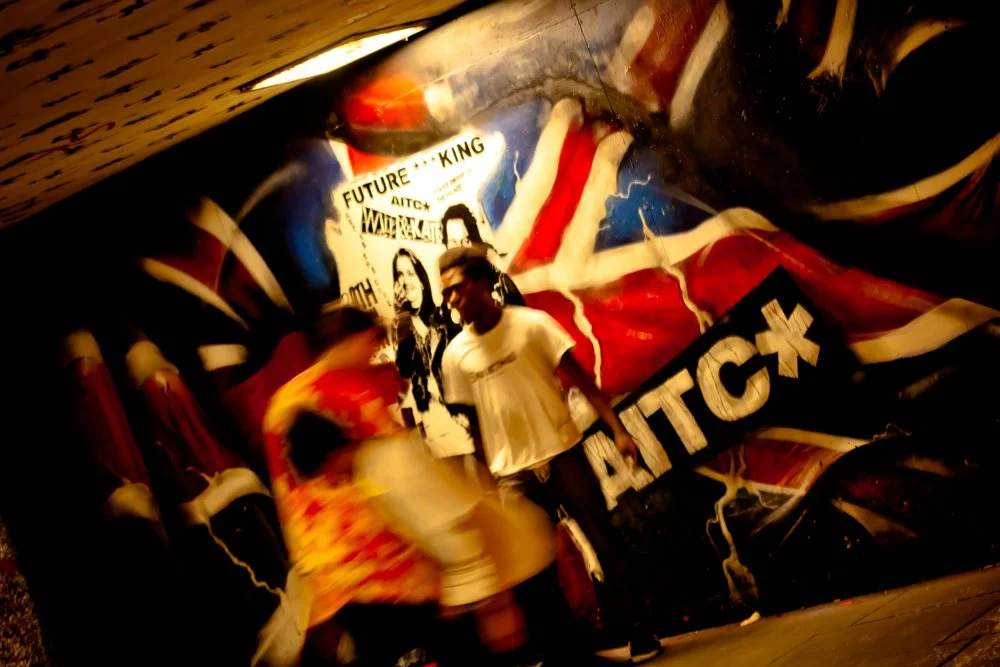
London Doesn't Need Another Postcard! (quick rant)
Everyone photographs London the same way: Big Ben, Tower Bridge, the red buses. Beautiful? Yes. Predictable? Absolutely…
Everyone photographs London the same way: Big Ben, Tower Bridge, the red buses.
Beautiful? Yes.
Predictable? Absolutely.
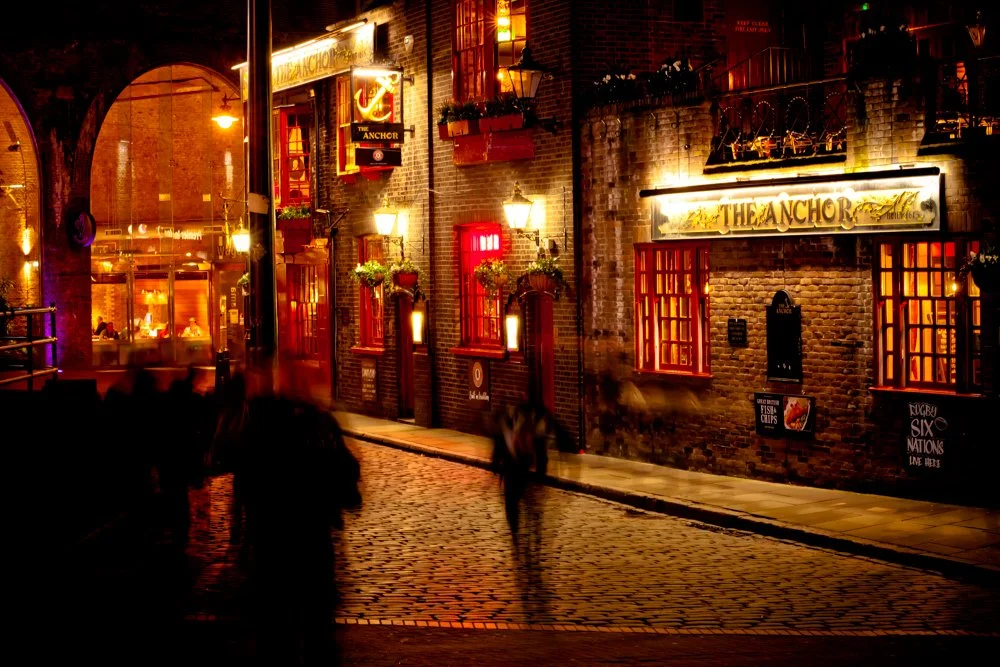
I prefer the London hiding in plain sight. The forgotten alleyways, brutalist concrete, reflections in rain-soaked streets, late-night neon and the people who give the city its pulse. That's where the real photographs live.
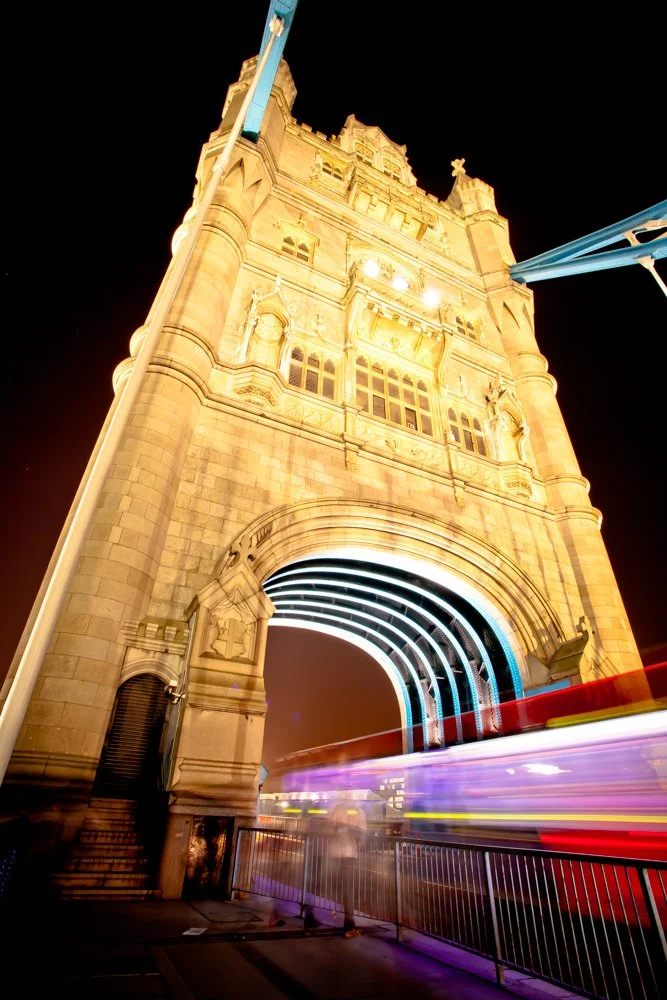
Anyone can photograph the landmarks. The challenge is making people recognise London without showing them the obvious. That's where creativity begins.
Rant Over.
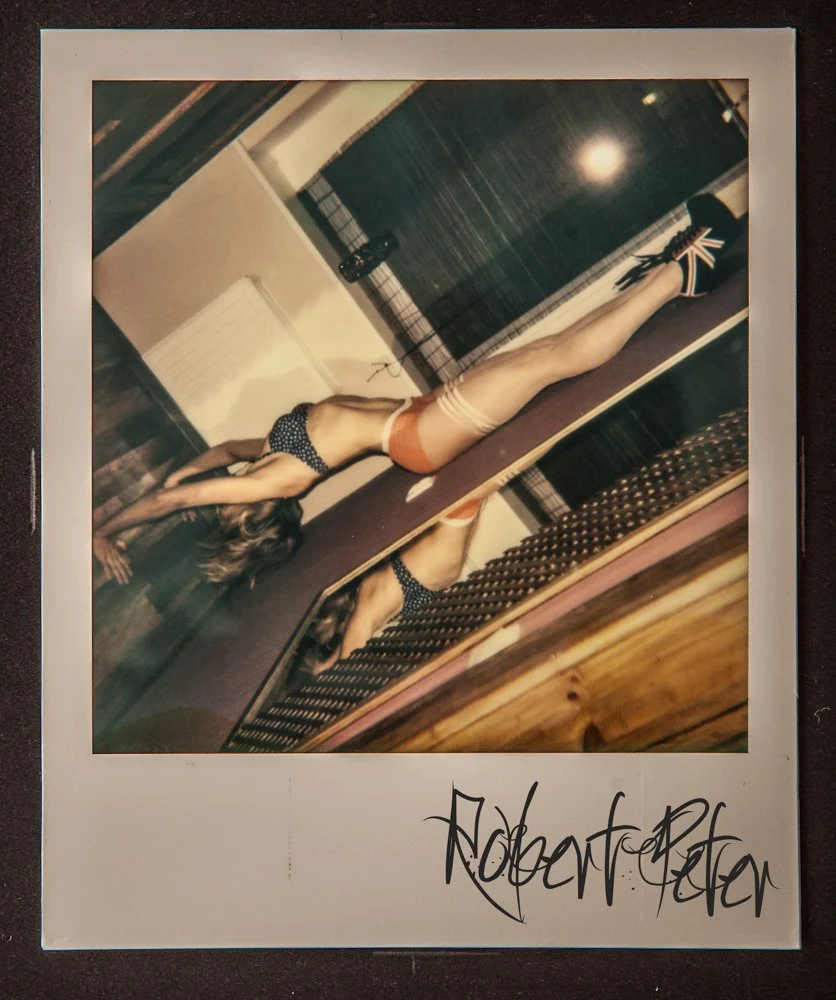
Why I Fell in Love with Polaroid Photography?
There are cameras that produce incredible technical results, and then there are cameras that make you feel something. For me, that's Polaroid. Every time I pick one up, I'm reminded that photography wasn't always about perfection…
There are cameras that produce incredible technical results, and then there are cameras that make you feel something.
For me, that's Polaroid.
Every time I pick one up, I'm reminded that photography wasn't always about perfection. It wasn't about shooting hundreds of frames, checking the back screen or wondering which preset to apply later. It was about a single moment one press of the shutter and the anticipation of seeing something unique appear before your eyes.
That feeling has never left me.
Watching a Polaroid slowly develop in your hands still feels like magic. It asks you to slow down. You can't rush it, and you certainly can't retake it over and over until it's technically flawless. You have to trust your instincts, your composition and the moment itself.
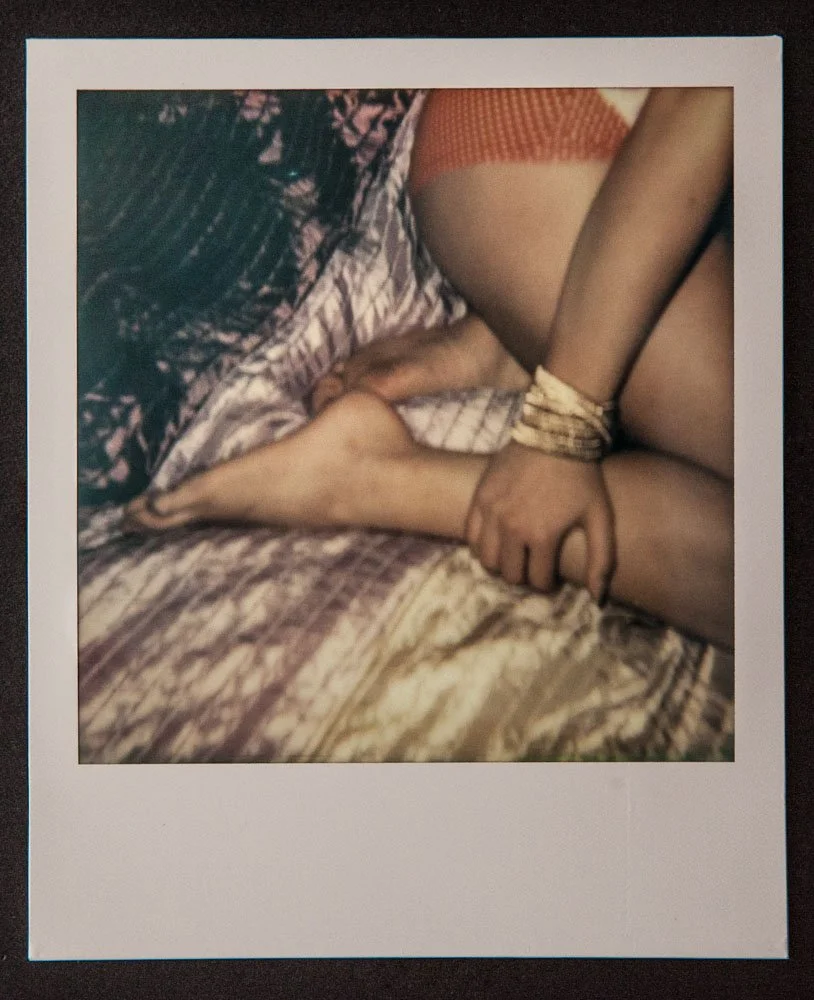
Perhaps that's what I love most.
Every Polaroid carries its own personality. The colours are never exactly the same. The contrast changes. The chemistry sometimes surprises you. There might be a small imperfection or a soft focus that another photographer would dismiss as a flaw, but to me those are the details that make the photograph real. They become part of its story.
Unlike a digital file buried somewhere on a hard drive, a Polaroid becomes an object. You can hold it, pass it to someone else, pin it to a wall or discover it years later tucked inside a book. It ages alongside your memories. Its corners become worn, its colours slowly shift and, somehow, it becomes even more meaningful with time.
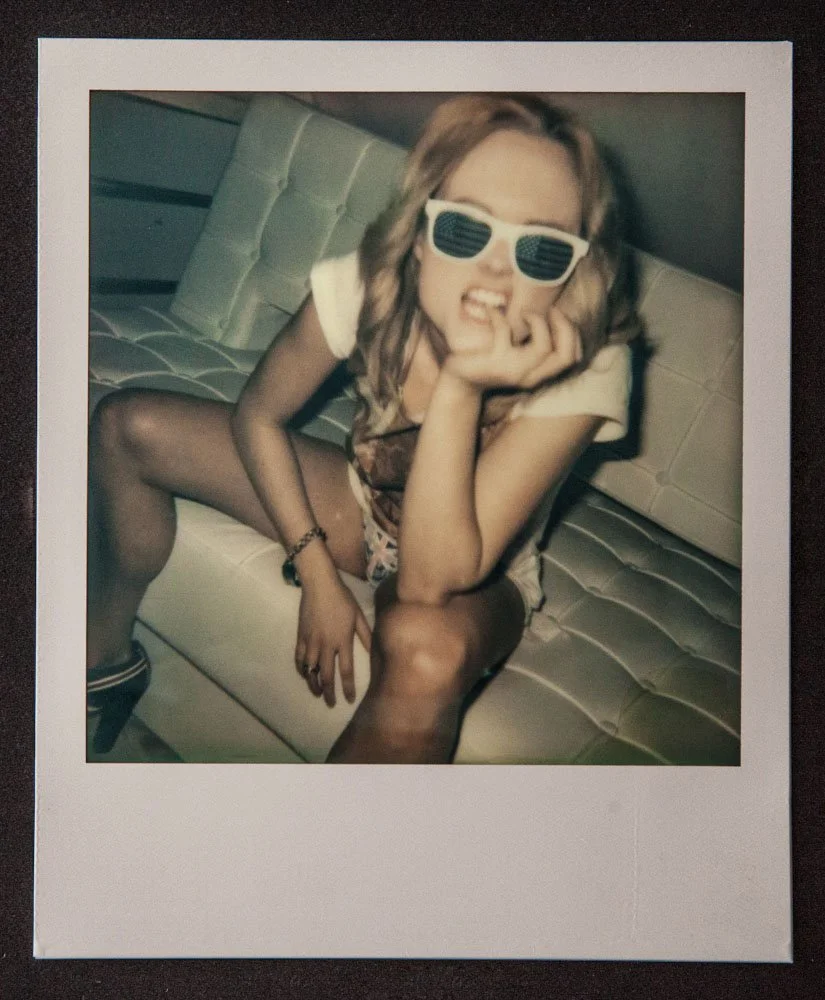
I also love the honesty that Polaroid demands. Every exposure costs money, so every frame matters. You think more carefully before pressing the shutter. You observe the light. You pay attention to expression. You wait for the right moment instead of hoping one appears among hundreds of nearly identical images.
That discipline has made me a better photographer.
Some of my favourite Polaroids aren't technically perfect. The horizon isn't always level, the exposure isn't always spot on and the focus occasionally misses by just enough to soften the image. Yet those are often the photographs I treasure most. They remind me exactly where I was, who I was with and how that moment felt.
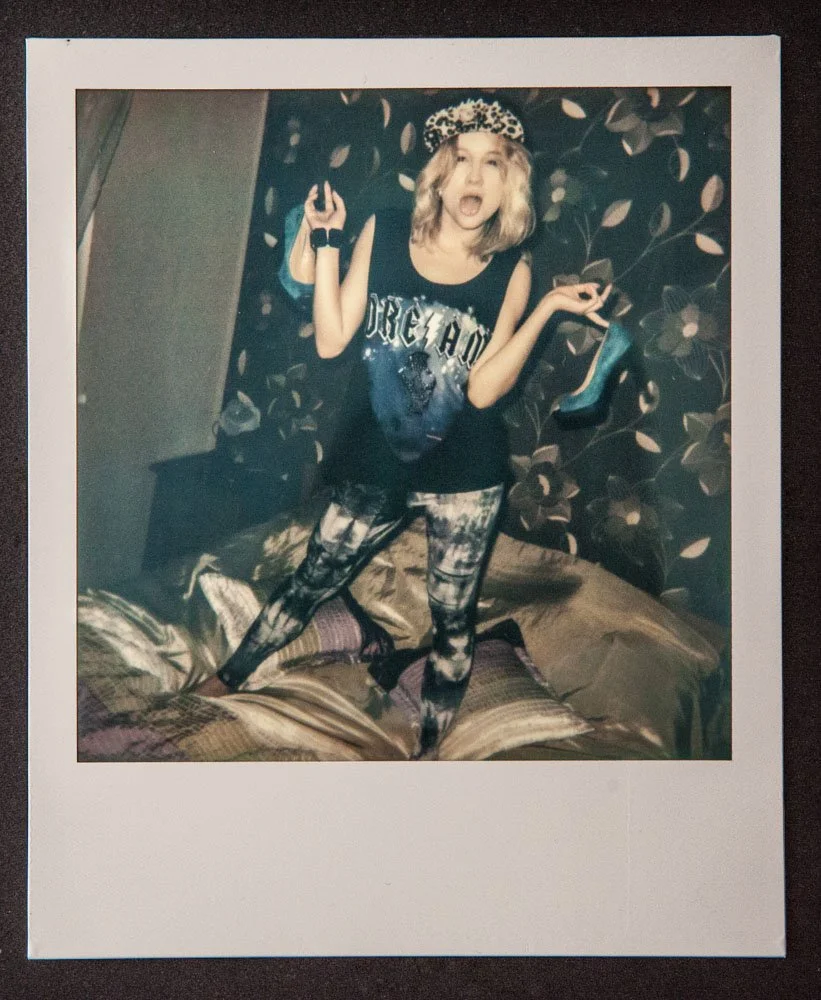
In a world overflowing with perfectly edited images, Polaroid photography feels wonderfully human. It embraces uncertainty instead of eliminating it. It values memory over perfection and emotion over technical precision.
Whenever I hear the unmistakable click of the shutter and watch that small white frame emerge from the camera, I still get the same excitement I felt the very first time I used one. For a few minutes, I'm not thinking about algorithms, social media or editing software. I'm simply waiting for a memory to appear.
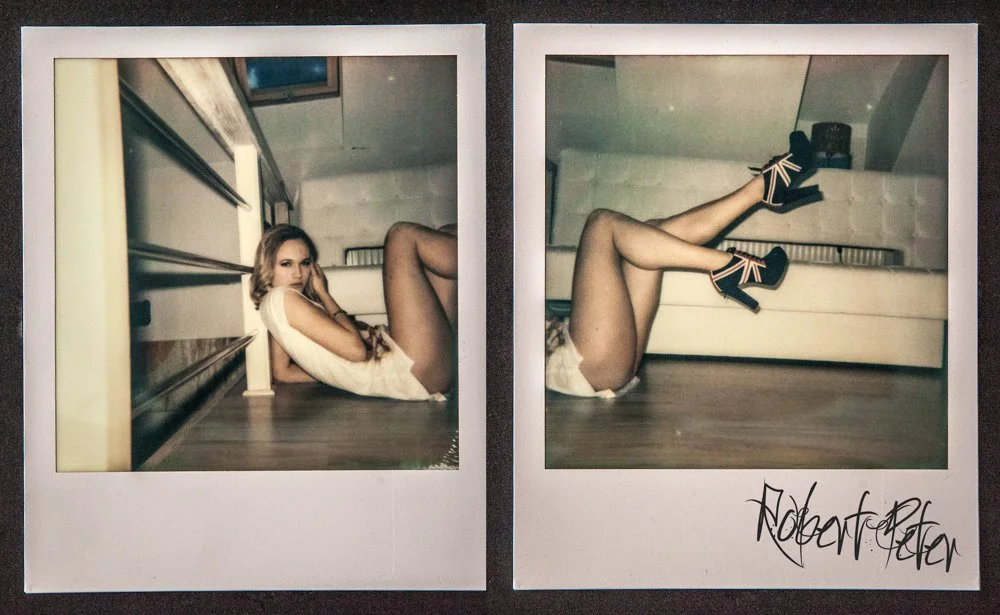
That's why I love Polaroid photography.
Not because it's perfect, but because it isn't.
Every photograph is a small, one of a kind piece of time that can never be recreated. In an age where almost everything is instant, copied and infinitely editable, Polaroid reminds me that some moments deserve to exist exactly as they happened beautifully imperfect, impossible to duplicate and entirely their own.
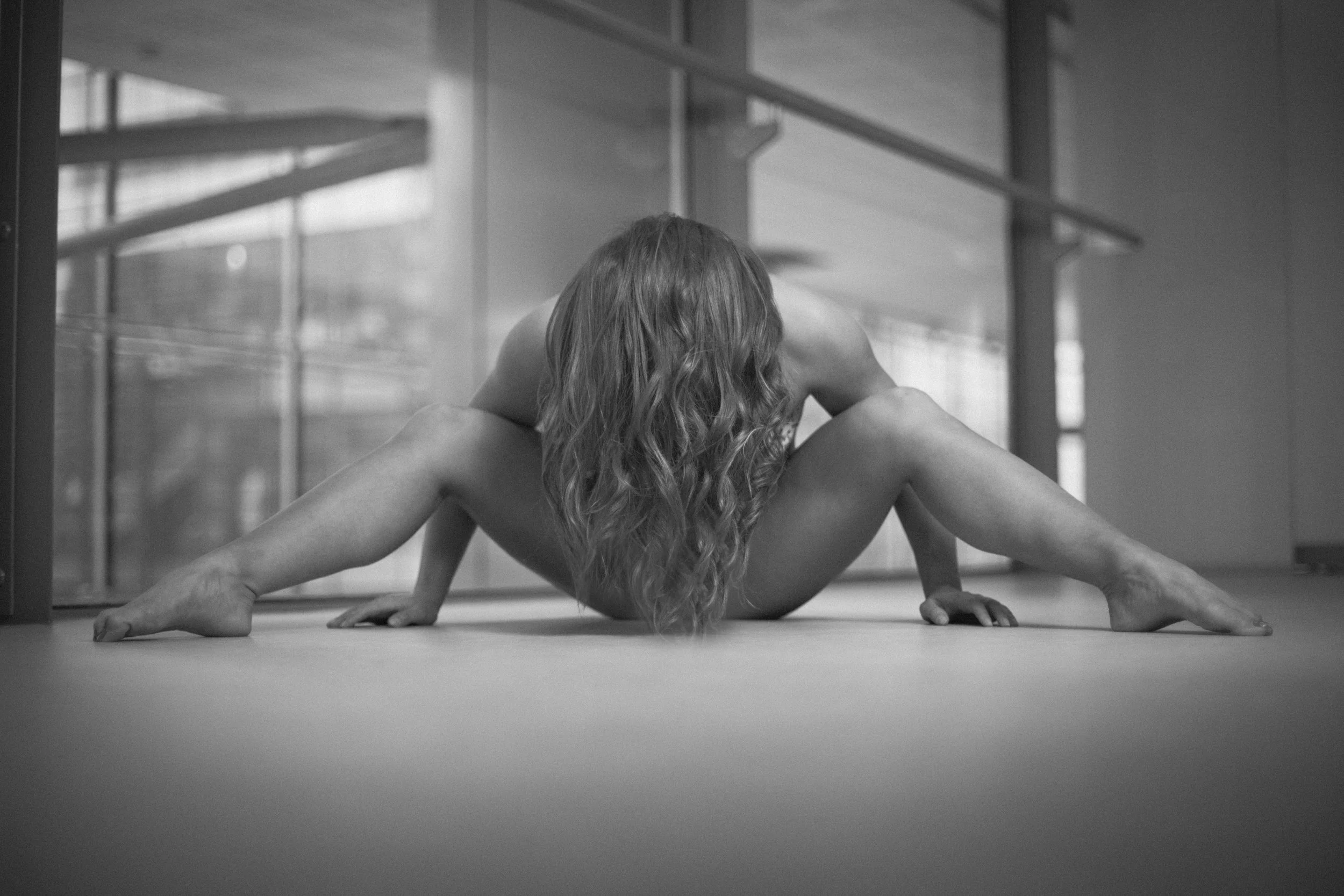
Can I Still Be Relevant If I Don't Like Editing My Film Photos?
Absolutely. In a world where almost every image is heavily edited, there's something refreshing about photographers who simply accept what the film gives them. If you enjoy your negatives exactly as they come back from the lab…
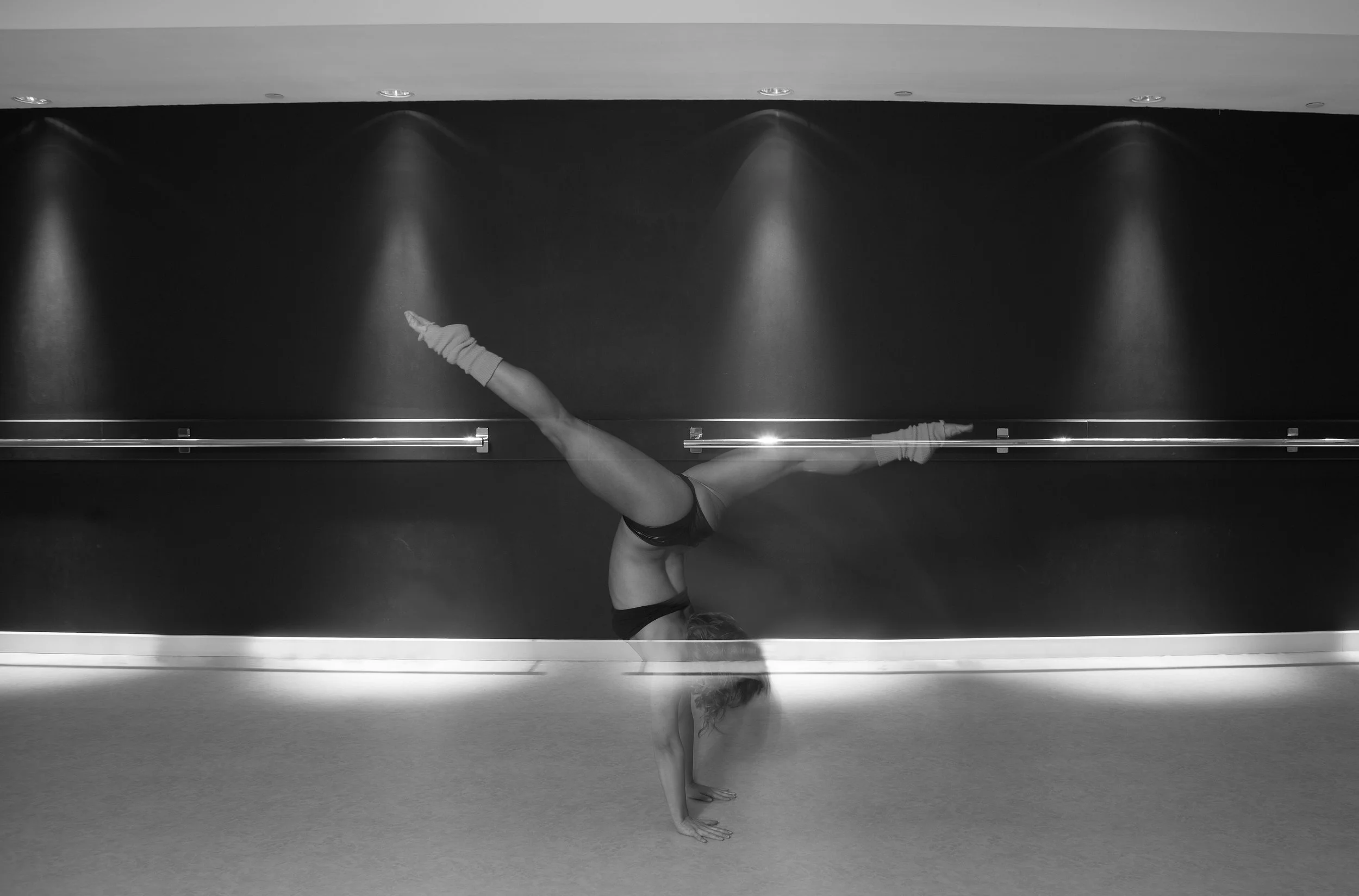
Absolutely.
In a world where almost every image is heavily edited, there's something refreshing about photographers who simply accept what the film gives them. If you enjoy your negatives exactly as they come back from the lab, there's no reason to believe you're somehow behind the times. In fact, many photographers deliberately pursue that authenticity.
One thing worth remembering, however, is that a film photograph is rarely "straight out of camera" in the way many people imagine.
The moment you finish a roll, the image making process is only halfway complete.
First, the film is chemically developed. Time, temperature, chemistry and the condition of the developer all influence the final negative. Different laboratories can produce slightly different results from the same roll of film, even when using identical equipment. Contrast, density and colour can all vary subtly depending on the developing process.
The next stage is scanning, and this is where many people don't realise another interpretation takes place.
A negative isn't a finished photograph. It contains the image, but someone or something has to convert that negative into a digital file. Modern film scanners analyse the negative and software makes countless decisions about colour balance, contrast, white balance, exposure, sharpening and dust removal before producing the image you see on your screen.
In other words, every scan is already an interpretation.
Change the scanner, and the image may look different. Change the scanning software, and it may look different again. Even the same negative scanned by two different laboratories can produce noticeably different photographs.
This doesn't make film any less authentic, it simply reminds us that photography has always involved interpretation. In the darkroom, photographers chose enlarger filters, paper grades, dodging and burning techniques, development times and print papers. Today, scanning software performs many of those decisions automatically unless you choose to make them yourself.
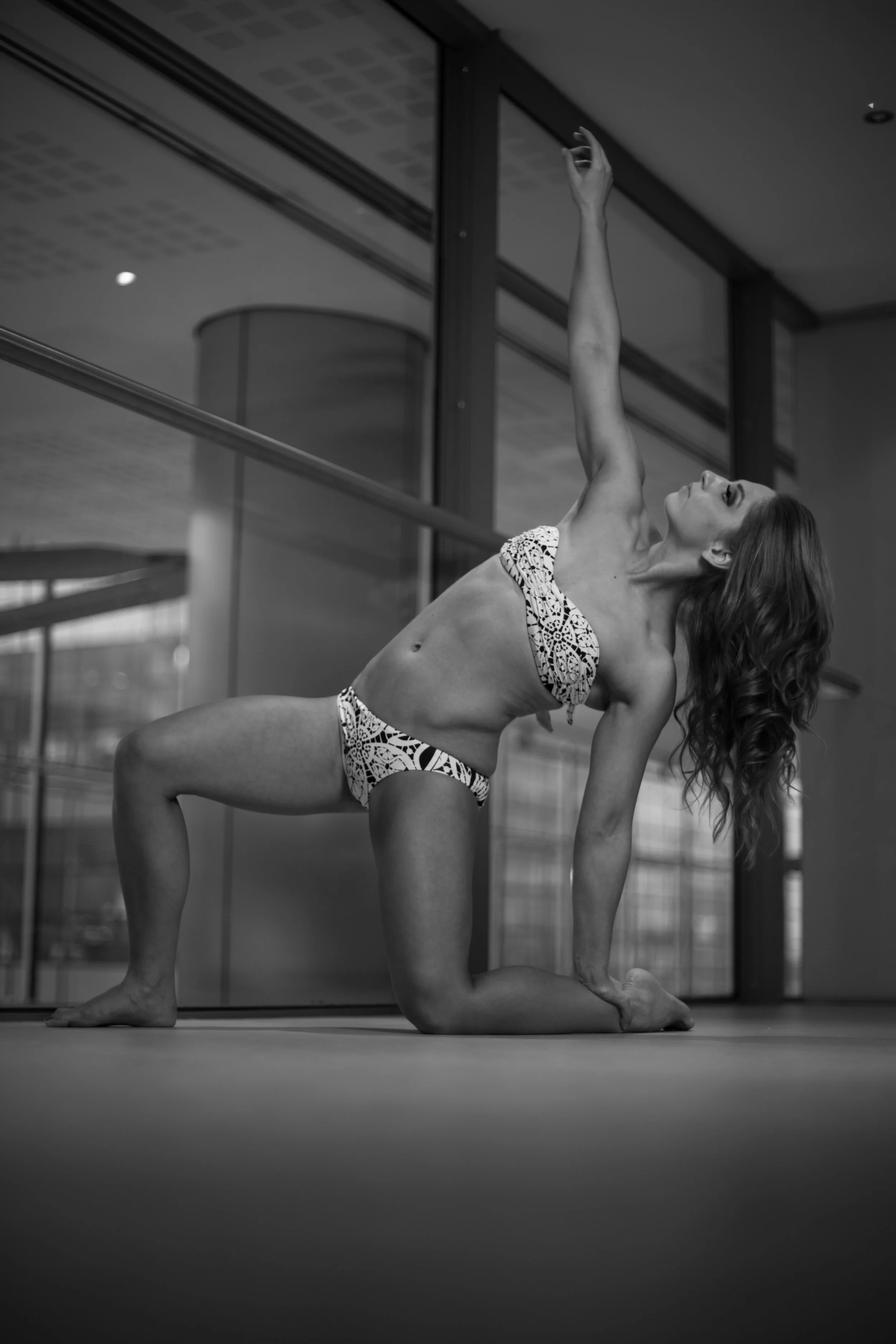
If you love the look your laboratory produces, that's a perfectly valid artistic choice. Your style may simply be trusting the process instead of endlessly refining every file on a computer.
There is also something liberating about accepting imperfections. Slight colour shifts, unexpected contrast, grain, dust marks and occasional exposure quirks are often part of film's character. They remind us that photography doesn't have to be technically perfect to be emotionally powerful.
The audience rarely asks how much editing went into a photograph. They respond to atmosphere, composition, light and storytelling. A memorable image remains memorable whether it has spent ten seconds or ten hours in editing software.
Photography has never been about following a single workflow. Some photographers meticulously scan and edit every frame until it matches their vision. Others prefer to present the scan exactly as it comes back from the laboratory, embracing the character of the film stock, the chemistry and the scanning process. Neither approach is more legitimate than the other.
If you're happy with your images as they arrive from the lab, don't feel pressured to edit simply because everyone else does. Your photographs should reflect your vision, not someone else's workflow.
At the end of the day, relevance isn't determined by how much time you spend in front of a computer. It's determined by whether your photographs make people stop, look and feel something. If they do, then you're already doing exactly what photography has always been about.
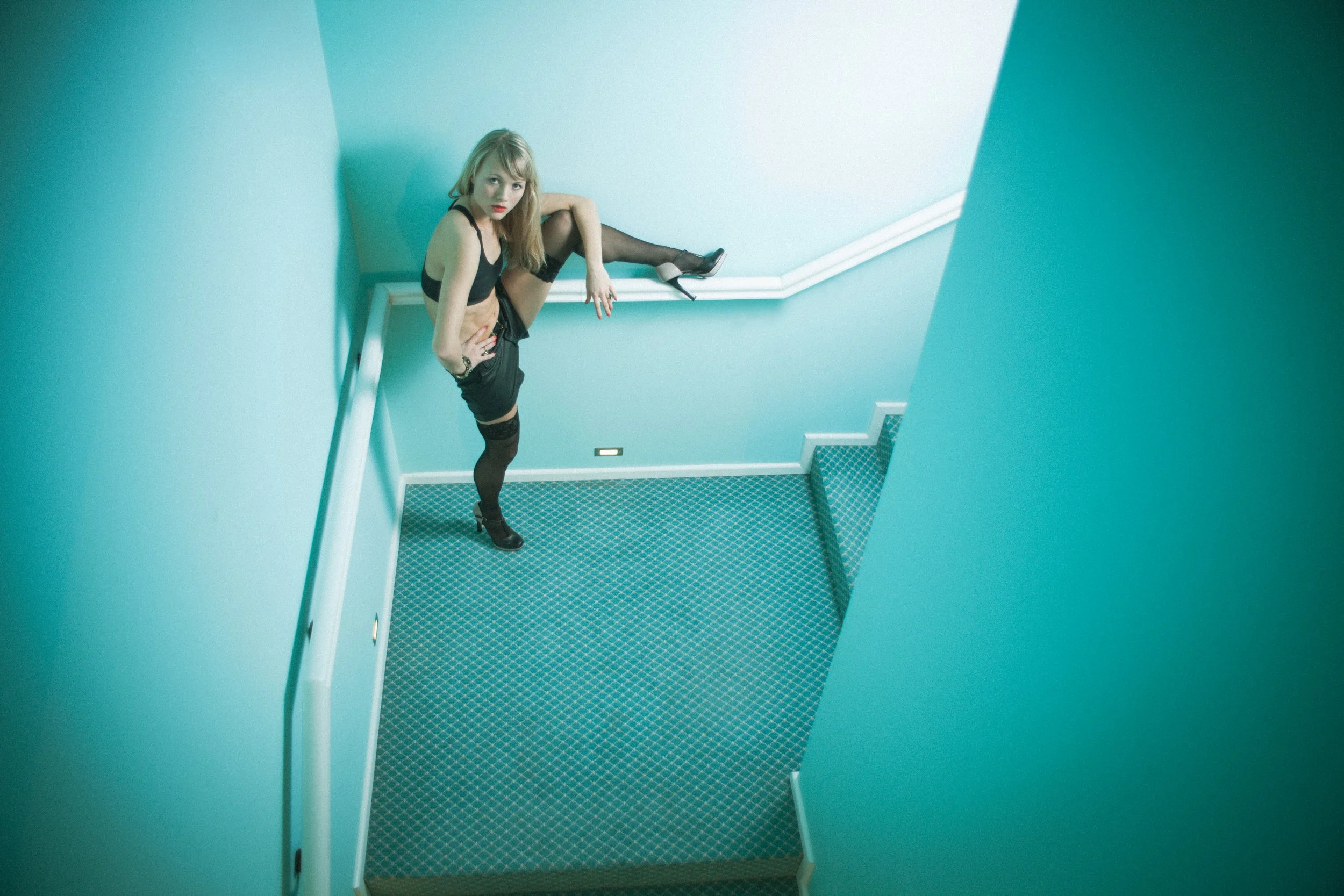
Great Model Posing Can Transform the Most Ordinary Location.
One of the biggest misconceptions in photography is that you need an extraordinary location to create extraordinary images. In reality, the environment often plays a supporting role. The true impact of a photograph comes from…
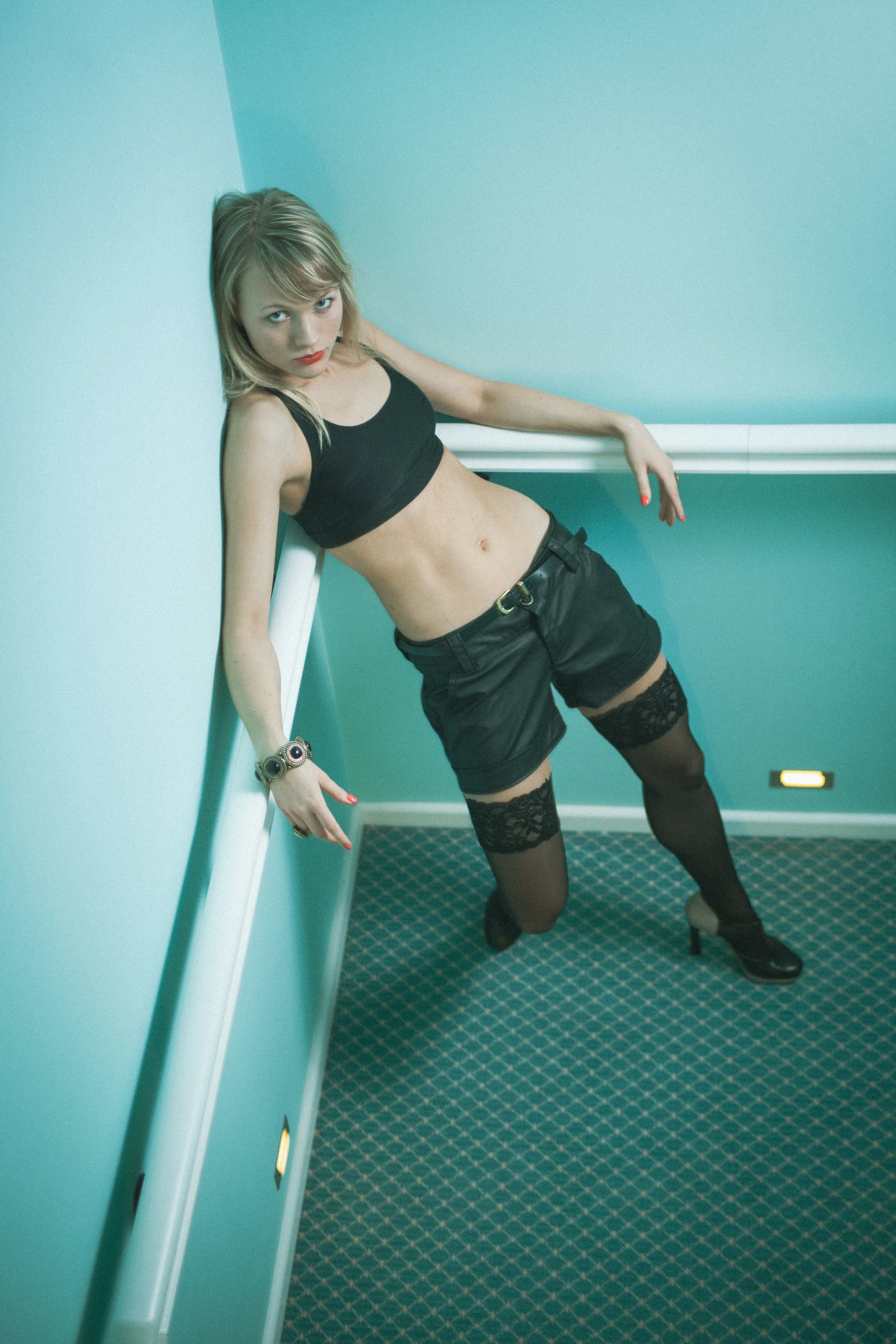
One of the biggest misconceptions in photography is that you need an extraordinary location to create extraordinary images. In reality, the environment often plays a supporting role. The true impact of a photograph comes from how the model interacts with the space.
Some of the strongest portraits are created in places most people would simply walk past a plain room, a blank wall, an empty hallway or a sparsely furnished apartment. These environments may seem uninspiring at first glance, but they offer something incredibly valuable: simplicity. Without visual clutter competing for attention, the model becomes the natural focal point.
Posing is what breathes life into an otherwise ordinary setting.
Every pose should complement the architecture rather than fight against it. If the room is filled with clean horizontal and vertical lines, introducing flowing curves through the body creates an engaging contrast. If the environment already contains strong geometric shapes, the model can either mirror those forms for harmony or deliberately oppose them to create visual tension.
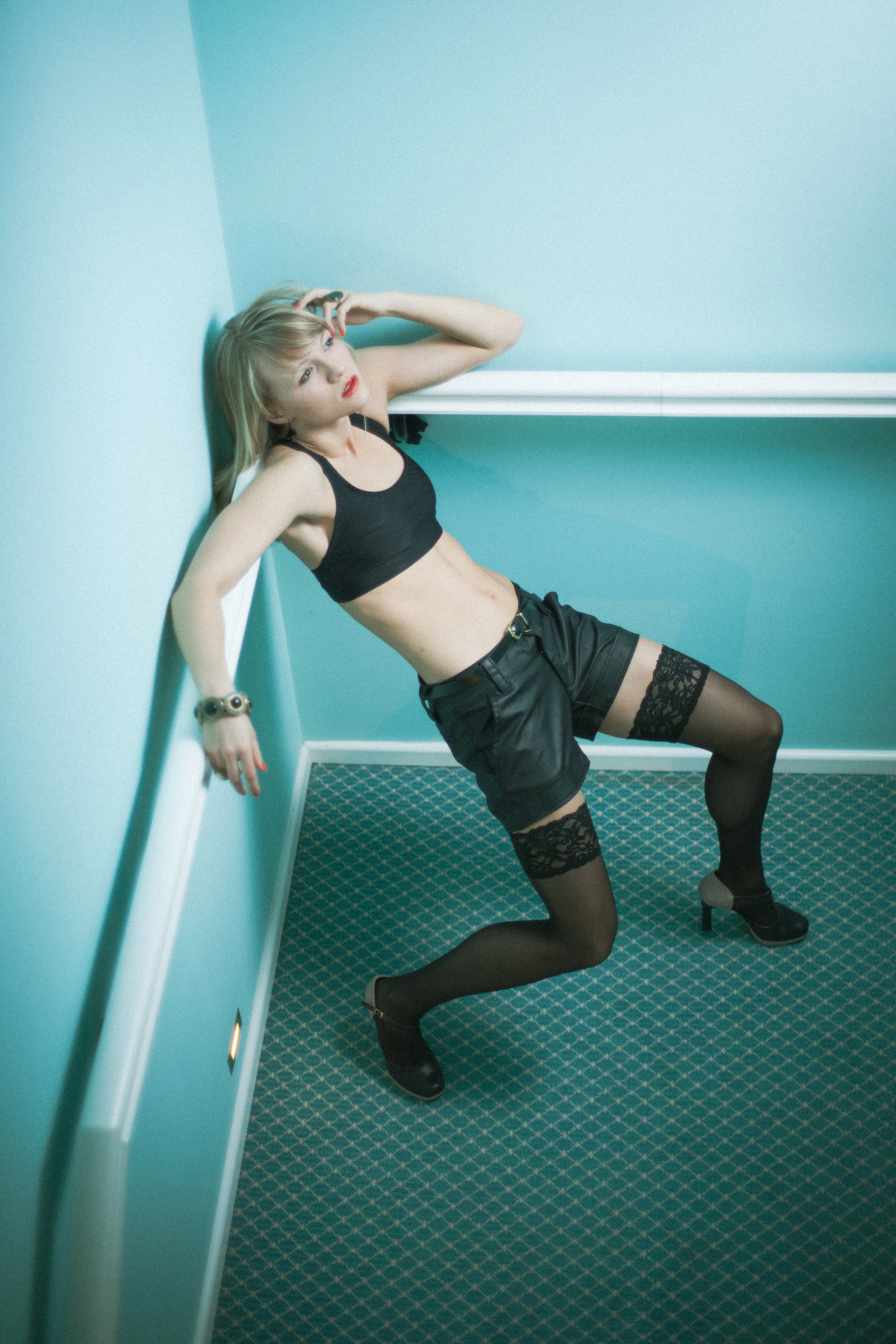
Movement is equally important. A static pose in a plain room often feels exactly that static. Even subtle changes, such as shifting weight onto one leg, extending a hand towards a window or turning the shoulders away from the camera, introduce energy into the frame. Small adjustments create rhythm and help the photograph feel more natural.
The face remains the emotional centre of the image. An expression can completely transform how a viewer interprets a simple environment. Curiosity, confidence, serenity or quiet contemplation all change the mood without requiring elaborate props or dramatic scenery. When the expression feels genuine, even the most modest location can become compelling.
Light should always influence the pose. Rather than placing the model randomly within a room, position them where the available light enhances their features and creates depth. Window light, directional light or subtle shadows can sculpt the figure and add dimension to an otherwise flat interior. Sometimes moving just half a metre closer to the light source makes the difference between an ordinary photograph and a memorable one.
Negative space is another powerful tool. A plain wall or empty floor is not wasted space, it gives the composition room to breathe. It isolates the subject, directs the viewer's attention and creates a clean, modern aesthetic that allows the pose to stand out.
The best photographers rarely ask, "How can I make this location more interesting?" Instead, they ask, "How can I use this location to strengthen the pose?"
That's the difference between documenting a place and creating an image.
A great pose can turn a bland interior into a striking composition because it introduces shape, balance and emotion. When posture, expression, light and composition work together, the surroundings become part of the story rather than the story itself.
Ultimately, memorable photography isn't about finding perfect locations. It's about recognising the potential in ordinary spaces and using thoughtful posing to unlock it. With the right approach, even the simplest room can become a stage for photographs that feel elegant, intentional and timeless.
Creating Powerful Fine Art Nude Photography in Small Spaces.
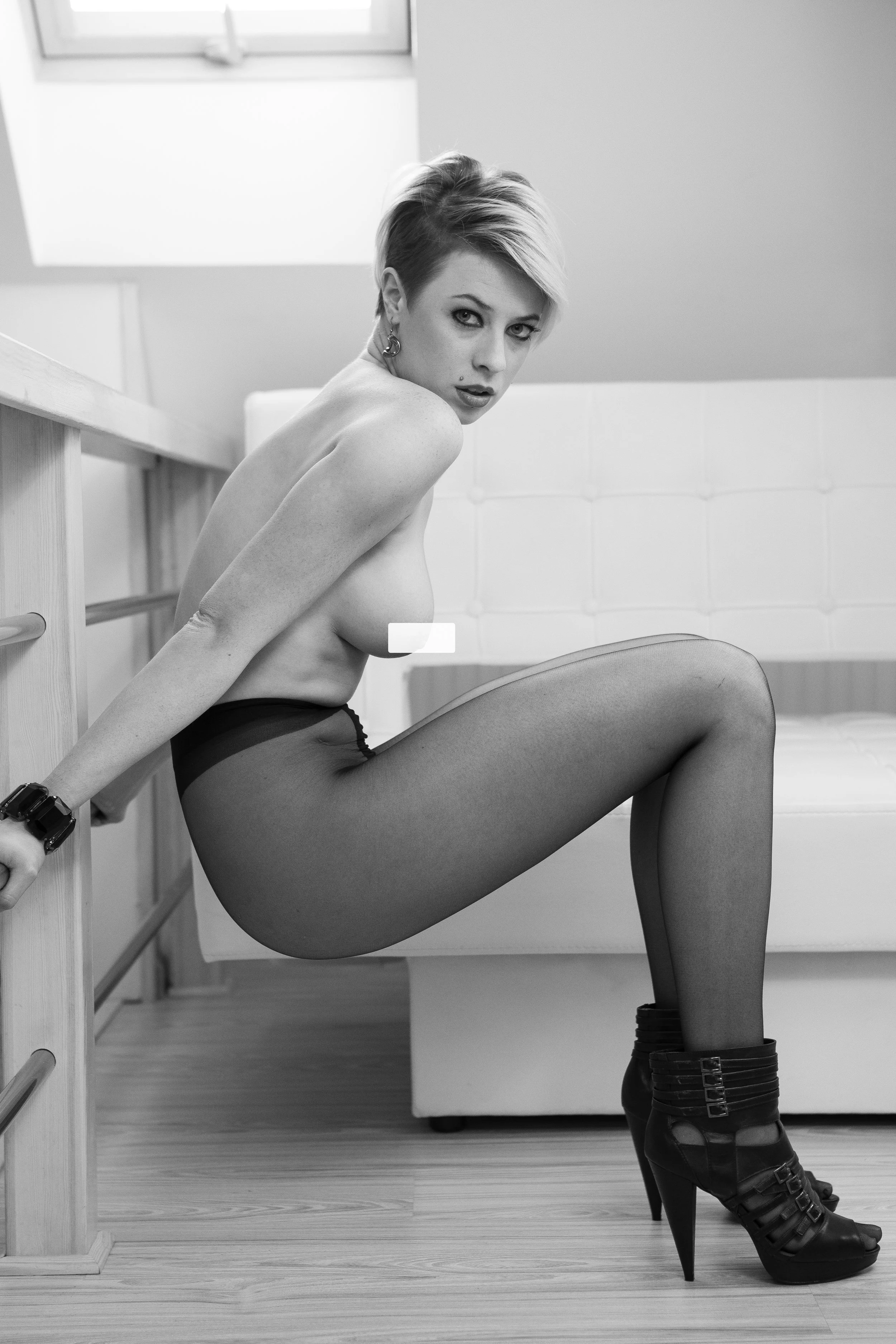
One of the biggest misconceptions in photography is that you need a large studio to create exceptional images. In reality, some of the most striking fine art nude photographs are made in the smallest of spaces…
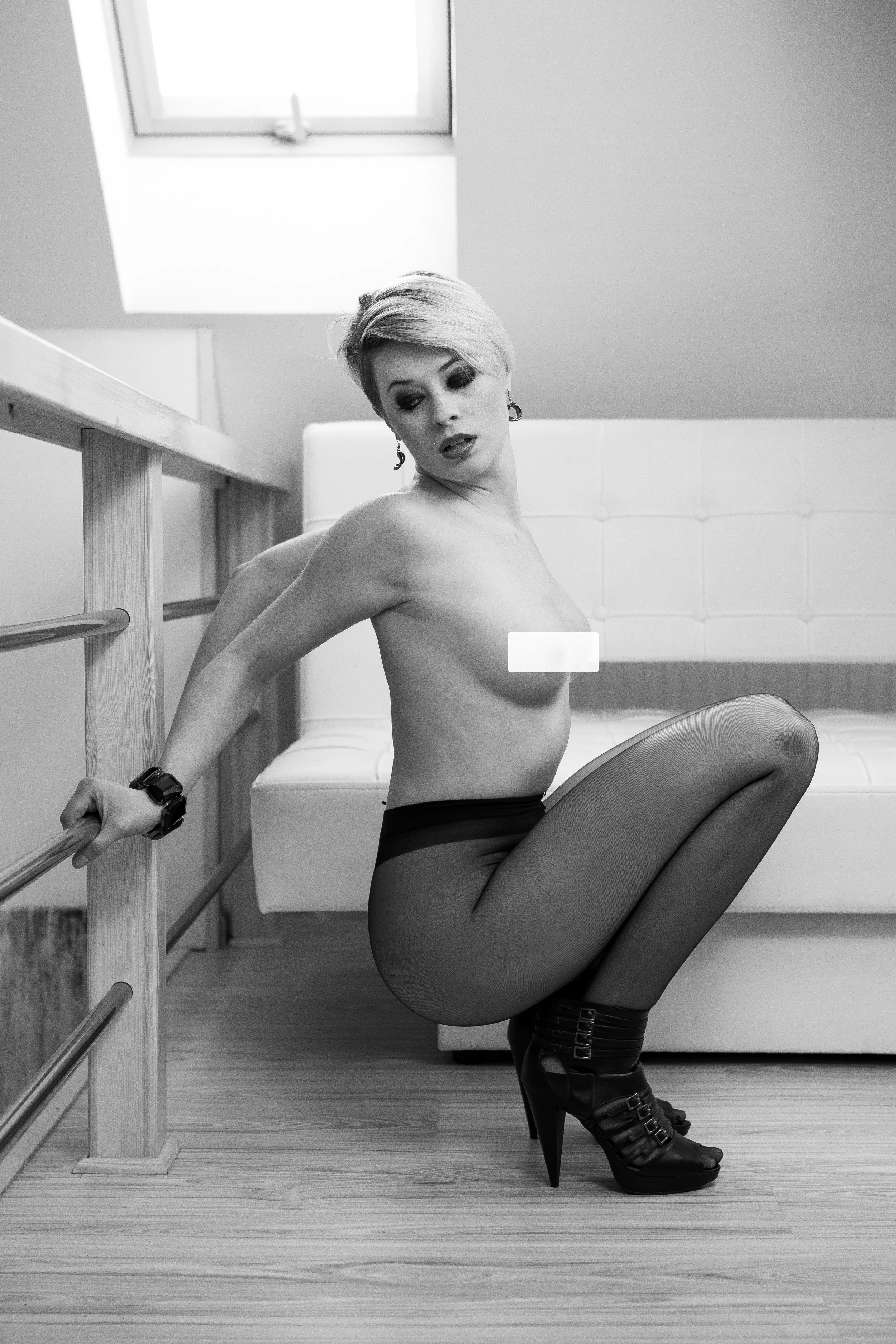
One of the biggest misconceptions in photography is that you need a large studio to create exceptional images. In reality, some of the most striking fine art nude photographs are made in the smallest of spaces. A modest room, a single window and an understanding of composition can produce images with far more impact than an expensive studio filled with lighting equipment.
Small interiors encourage photographers to simplify. Without unnecessary distractions, every element in the room becomes part of the composition. Walls, door frames, staircases, furniture and windows are no longer just architectural features; they become tools that help shape the image and direct the viewer's attention.
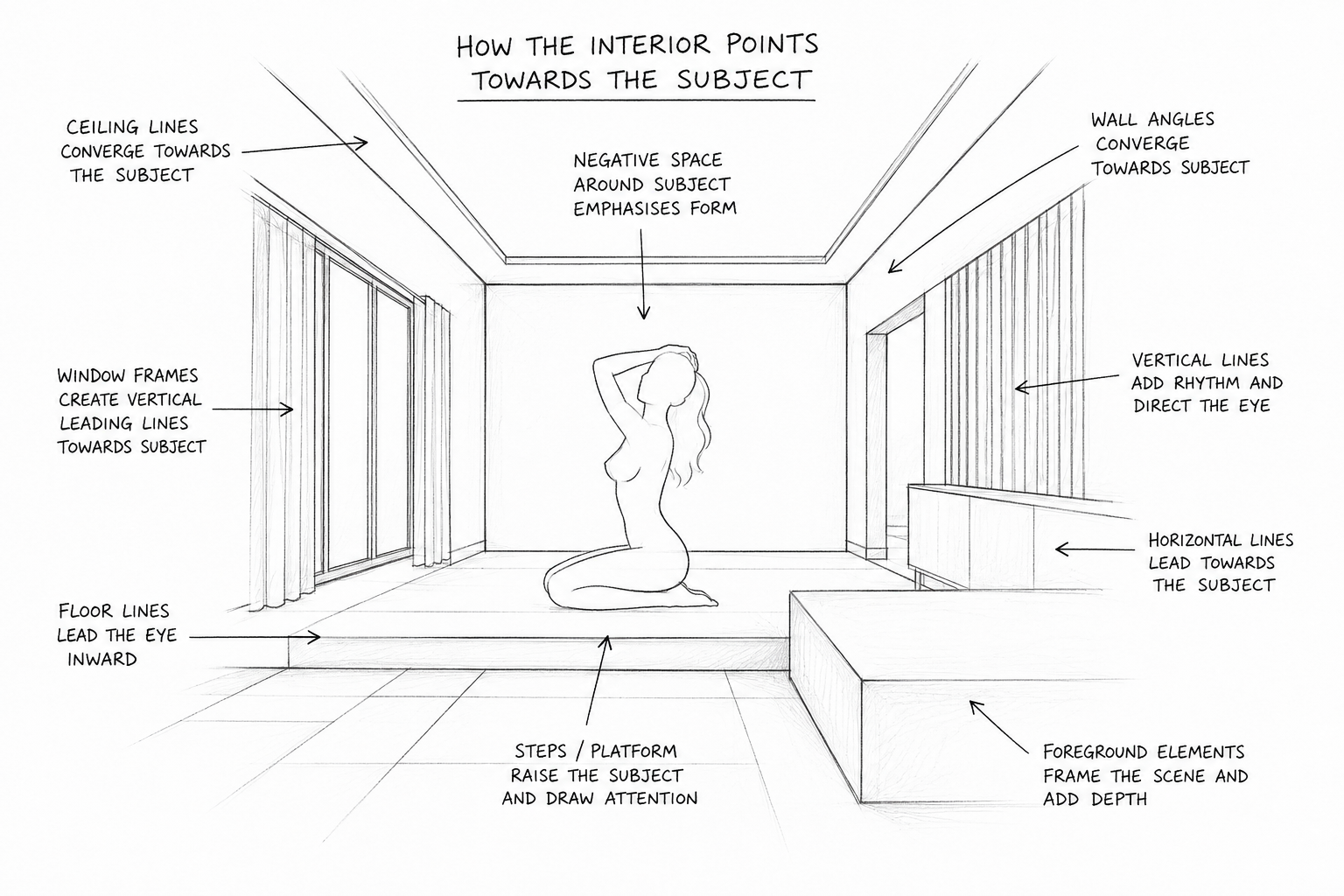
Leading lines are one of the most powerful compositional techniques available. Floorboards, window frames, ceiling details, wall edges and even the shadows they cast naturally guide the eye through the photograph. When these lines converge towards the model, they create a visual path that makes the subject feel connected to the environment rather than simply placed within it.
A well-designed interior often does much of the work for you. Strong geometry creates structure, while the soft curves of the human form provide contrast. This balance between sharp architectural lines and organic shapes creates visual harmony that immediately captures attention.
Natural window light is equally transformative. A single large window can become the only light source needed to create atmosphere and depth. As daylight passes through the room, it wraps around the subject, revealing form with soft highlights while allowing gentle shadows to define shape and texture. Unlike artificial lighting, window light changes throughout the day, offering endless opportunities to create different moods.
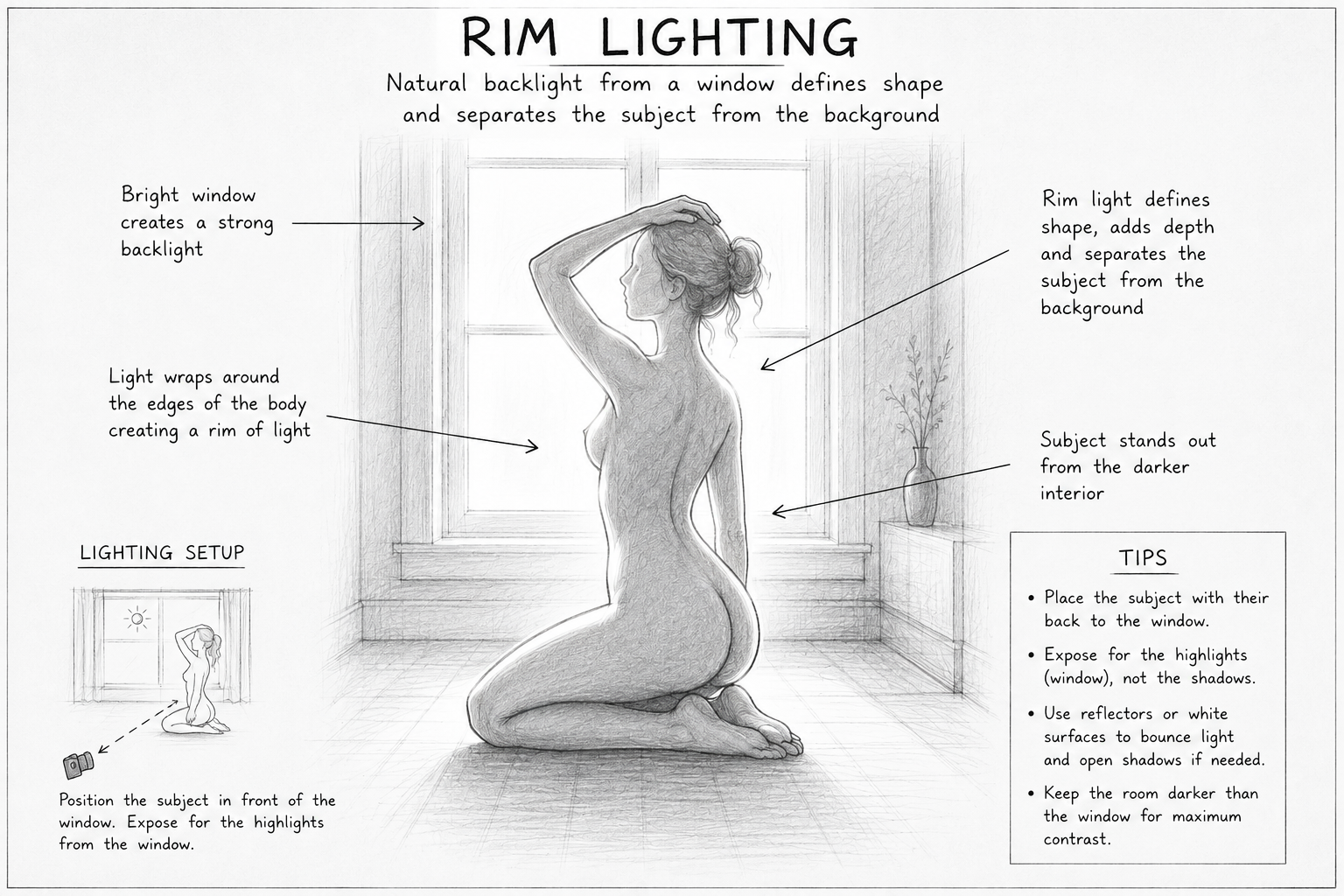
Positioning the model in relation to the window is crucial. Side light reveals texture and creates depth, while backlighting produces striking silhouettes and delicate rim light that separates the subject from the background. Even in a compact room, subtle changes in position can completely transform the feel of an image.
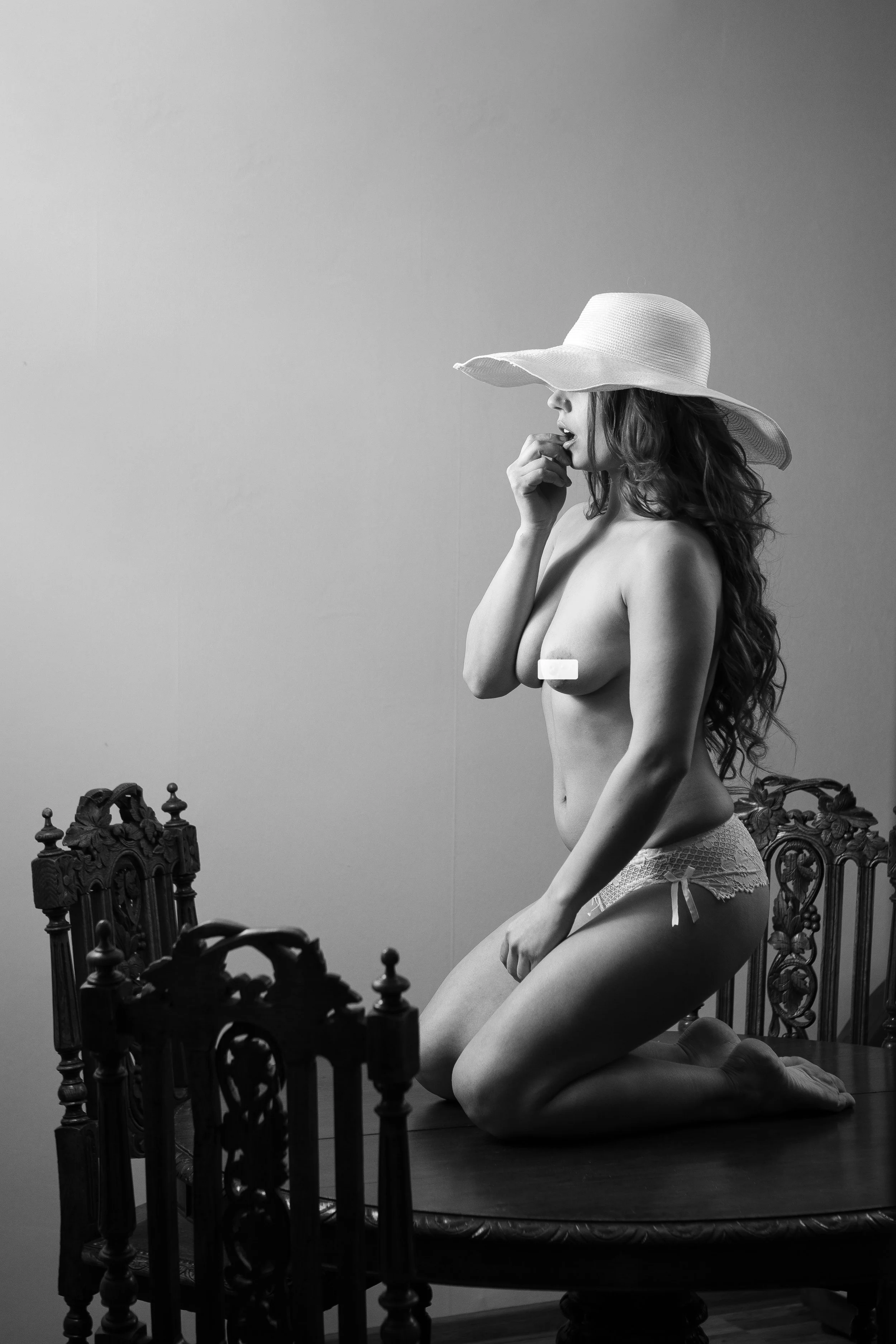
Working in limited space also encourages thoughtful framing. Instead of trying to capture everything, focus on what matters most. Allow architectural elements to frame the subject naturally, use negative space to simplify the composition, and avoid clutter that distracts from the story. Every object included in the frame should contribute to the final image.
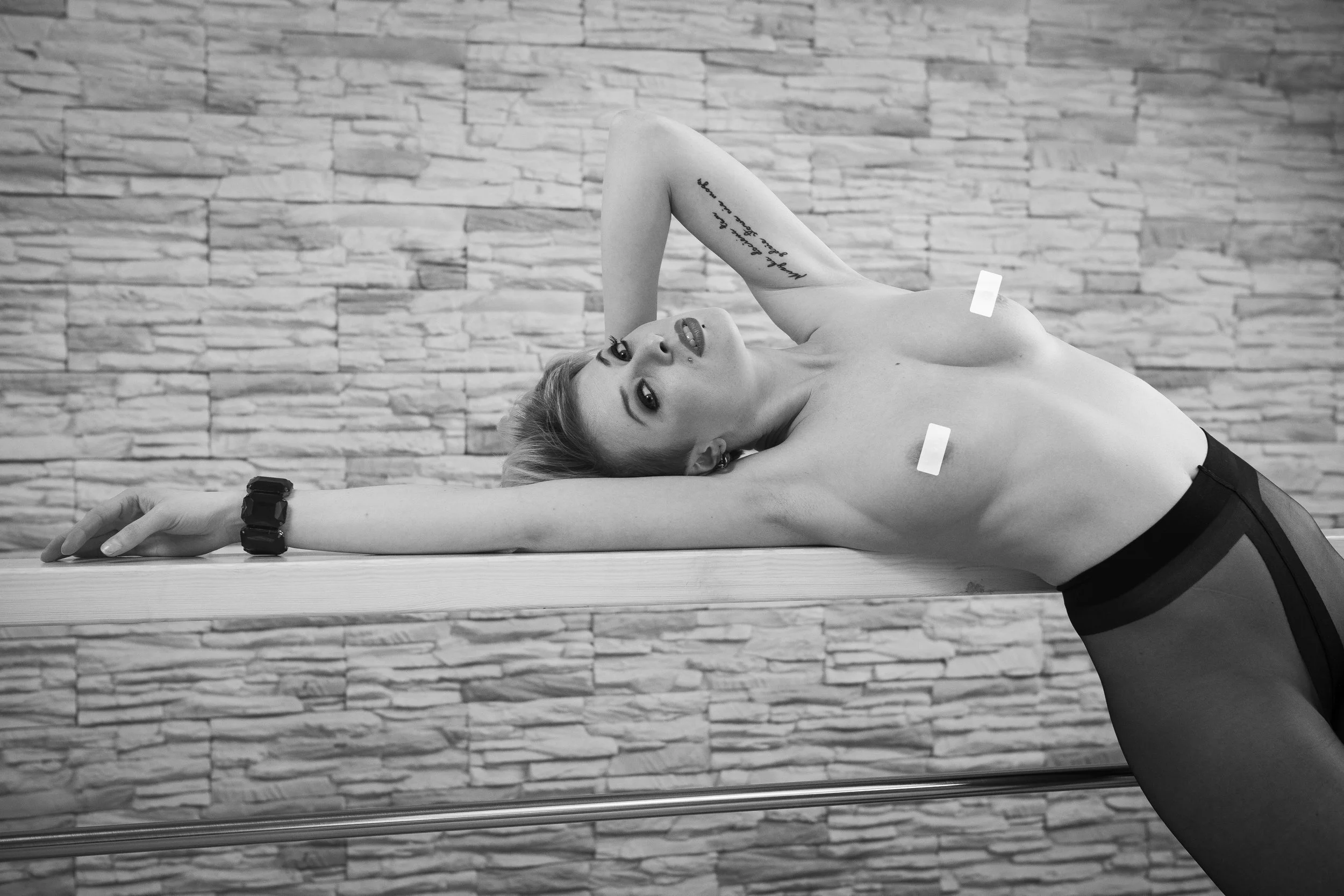
Perhaps the greatest advantage of a small location is intimacy. The environment feels personal and controlled, allowing the photographer and model to work more deliberately. There is less emphasis on elaborate setups and more attention given to expression, body language and the interaction between light and space.
Ultimately, memorable fine art nude photography is rarely about the size of the studio or the amount of equipment available. It is about recognising the potential within the space you have. A single window, carefully observed light and thoughtful composition are often all that is needed to create photographs that feel elegant, timeless and emotionally engaging.
The best photographers don't wait for the perfect location, they learn to see extraordinary images within ordinary rooms. When leading lines guide the eye, natural light sculpts the subject and every element serves the composition, even the smallest interior can become the setting for truly remarkable fine art photography.
Nude Photography Is About the Face, Not the Body.
People often assume nude photography is about the body. I disagree. The most successful nude photograph is one where the viewer's eye doesn't immediately travel to the obvious. If your composition, lighting and storytelling…
People often assume nude photography is about the body. I disagree.
The most successful nude photograph is one where the viewer's eye doesn't immediately travel to the obvious. If your composition, lighting and storytelling are strong enough that the viewer first notices the expression, the emotion or the atmosphere, you've done your job well.
For me, the face is where every story begins.
A single glance can communicate confidence, vulnerability, curiosity, melancholy or strength more powerfully than any pose ever could. Eyes establish a connection with the viewer, inviting them into a moment rather than presenting them with a subject. Long after someone has looked at a photograph, they rarely remember the pose, they remember the expression.
The body should support the narrative, not dominate it. It provides shape, form and visual balance, but it is the face that gives the image meaning. Every decision, from the direction of light to the angle of the camera, should work together to lead the viewer toward the emotion first.
Composition plays a vital role in achieving this. By using leading lines, selective focus, contrast and careful posing, the eye can be guided naturally towards the model's face before exploring the rest of the frame. When that happens, the photograph becomes about the person rather than simply the figure.
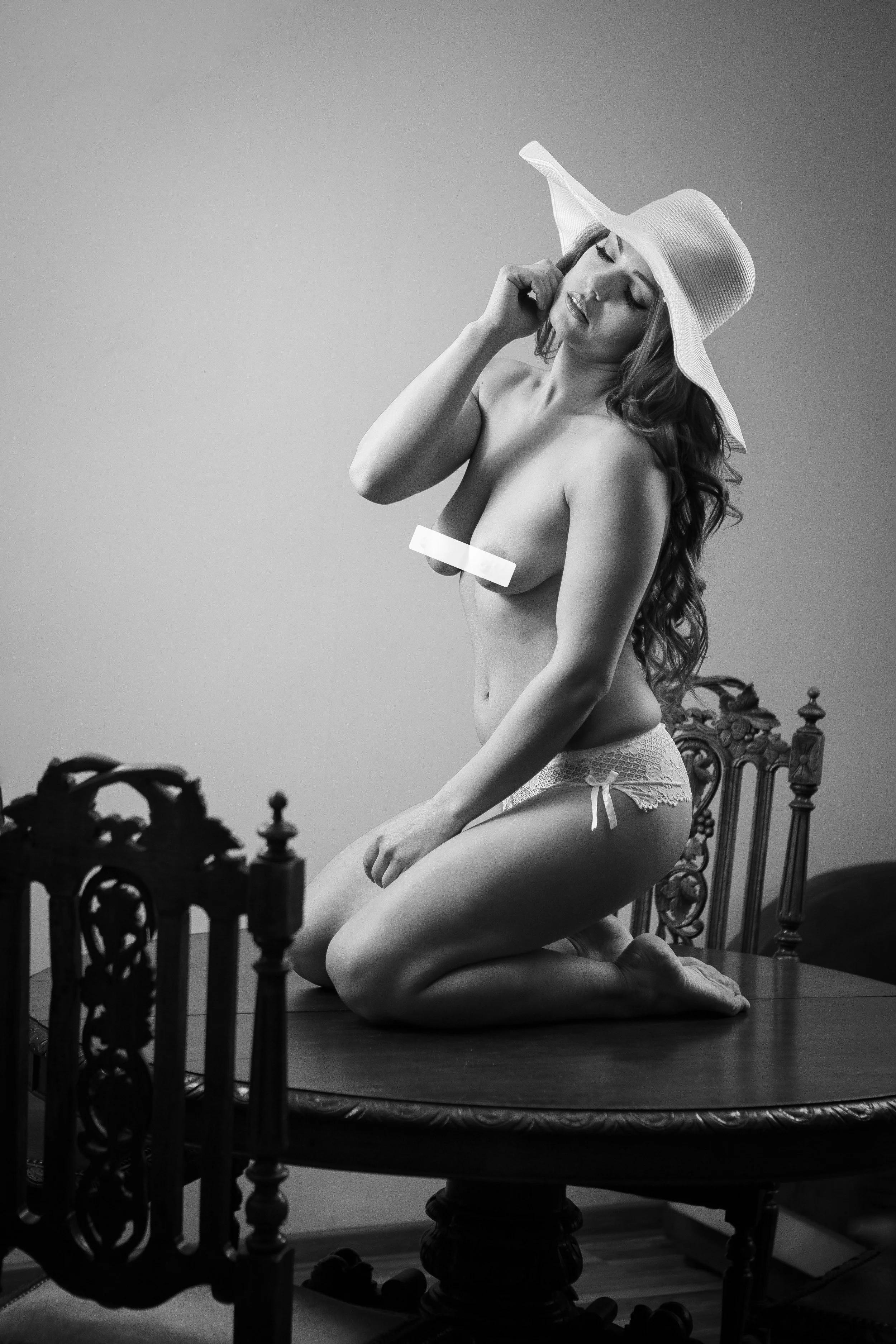
Lighting is equally important. Shadows can conceal just enough to create intrigue, while highlighting the eyes and facial features draws attention to the emotional centre of the image. Suggestion is often more powerful than revelation. The viewer becomes an active participant, filling in the unseen details with their own imagination.
This is where fine art nude photography separates itself from images that rely solely on exposure. It isn't about revealing everything; it's about revealing enough to provoke thought. Mystery creates engagement. Emotion creates connection.
Every portrait should leave the viewer asking questions. Who is this person? What are they thinking? What happened just before this moment? What comes next? When those questions become more important than the fact the subject is nude, the photograph has achieved something meaningful.
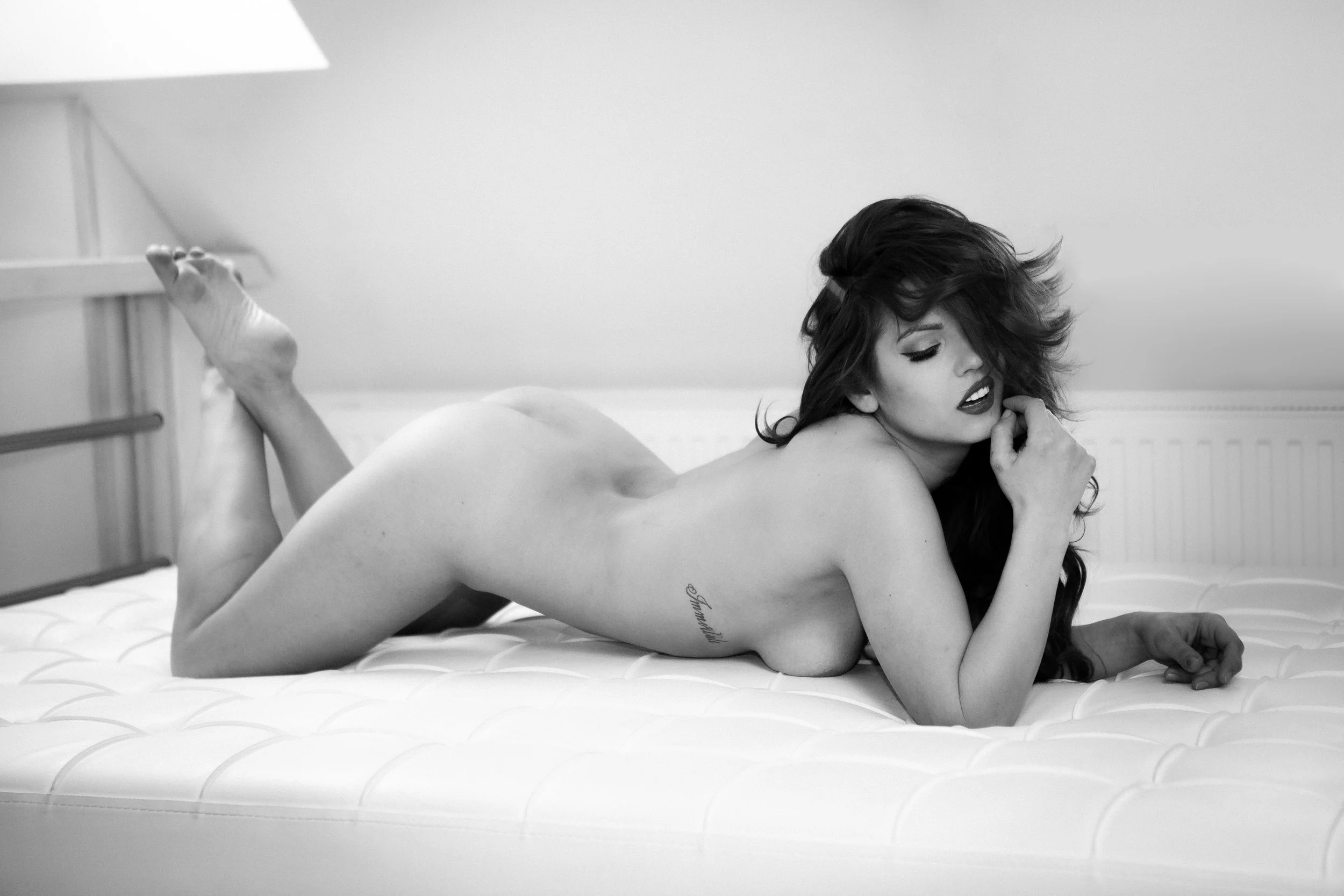
The human body has inspired artists for centuries, but it is the human face that tells the story. A truly successful nude photograph is not remembered because of what it exposes, it is remembered because of what it makes the viewer feel.
If the first thing people notice is the expression rather than the obvious, then you've created more than a nude photograph. You've created a portrait with purpose.
Celebrating Two Icons of Photography – Olympus OM-2N & Polaroid Supercolor 635CL.
Some cameras are more than just tools, they're milestones in photographic history. Recently, I had the pleasure of putting together a photoshoot dedicated to two classics that continue to inspire photographers decades after…
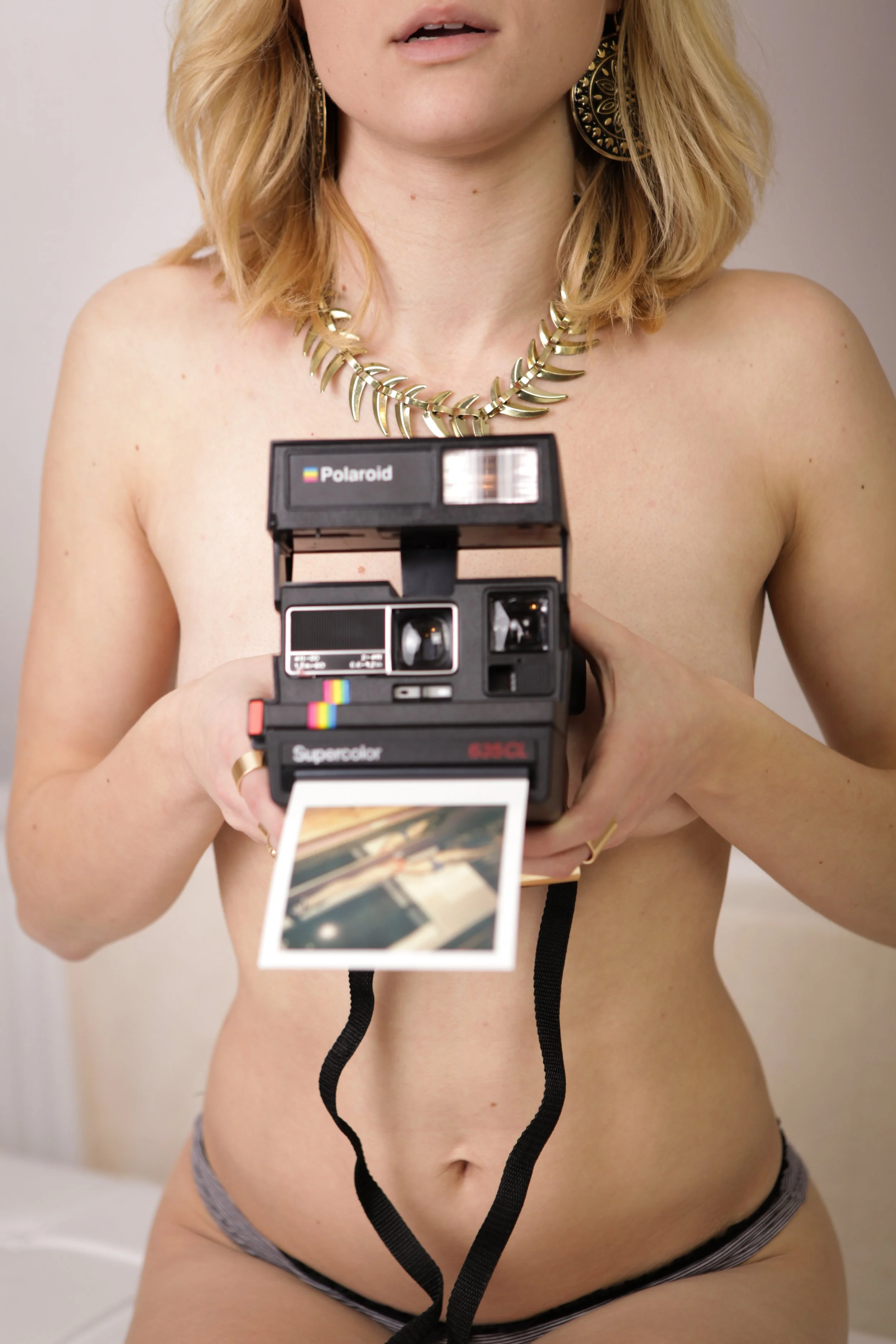
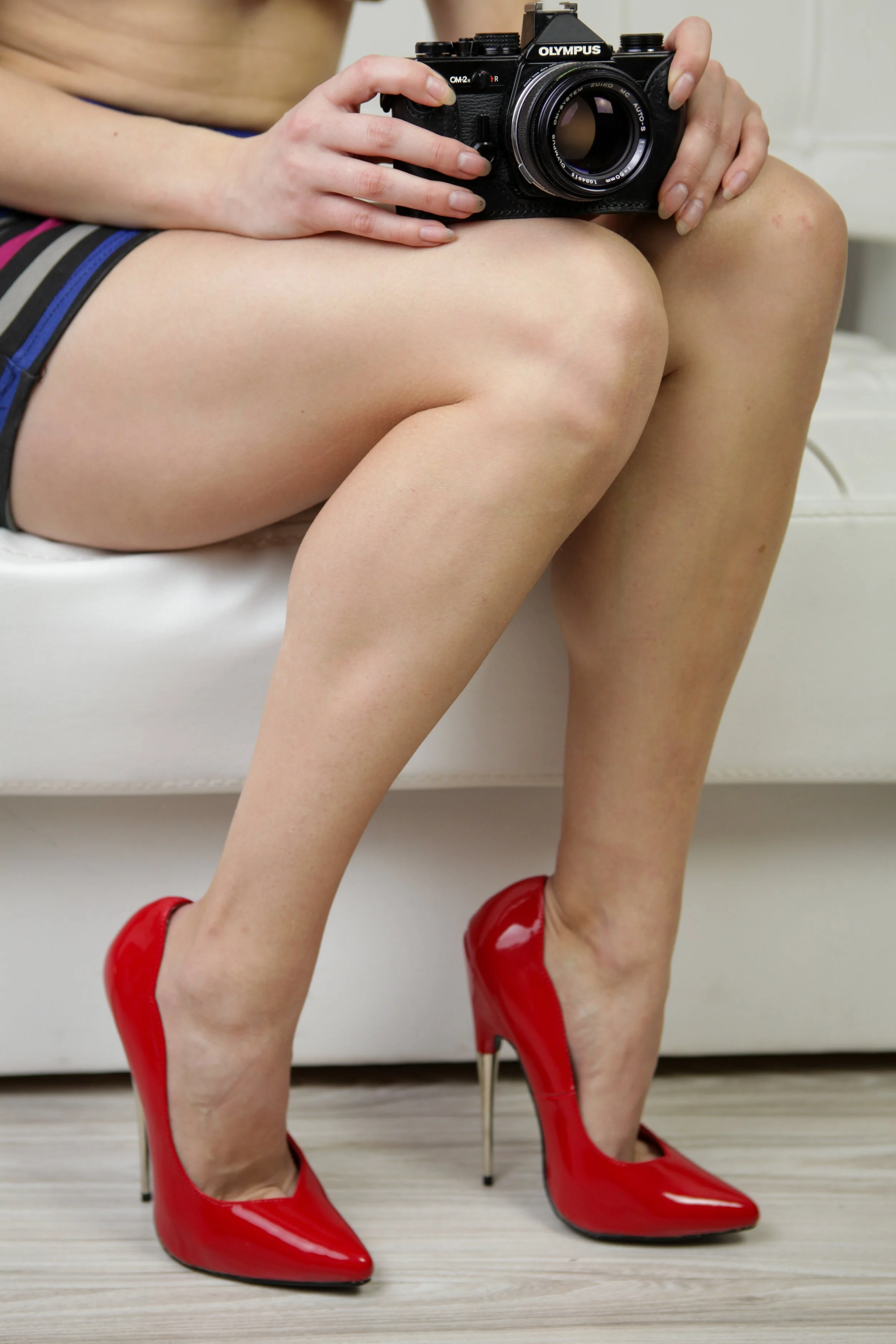
Some cameras are more than just tools, they're milestones in photographic history. Recently, I had the pleasure of putting together a photoshoot dedicated to two classics that continue to inspire photographers decades after their release: the Olympus OM-2N and the Polaroid Supercolor 635CL.
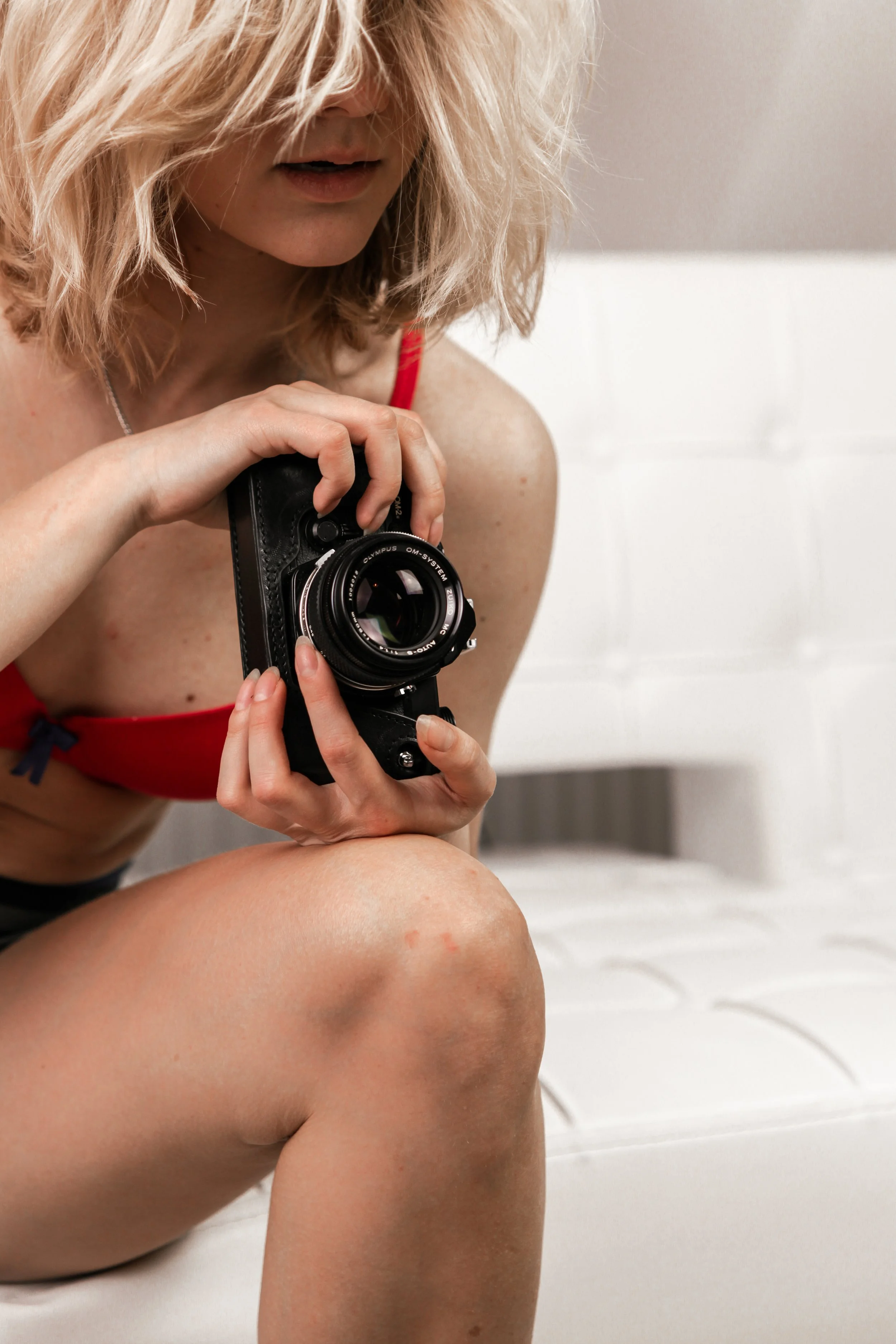
There was something genuinely special about placing these legendary cameras into the hands of a beautiful model and watching them become part of the story rather than simply the equipment behind it. These cameras were once objects of desire, admired in camera shop windows and carried proudly by enthusiasts and professionals alike. Seeing them brought back to life in front of the lens was a thrill in itself.
Looking through the finished images, I couldn't help but smile. Back in their heyday, photographs like these probably would have sold quite a few cameras. They capture not only the elegance of the equipment but also the timeless appeal of photography itself—where craftsmanship, design and creativity come together.
The Olympus OM-2N
Released in the late 1970s, the Olympus OM-2N remains one of the finest 35mm SLR cameras ever produced. Designed by Yoshihisa Maitani, it combined compact dimensions with professional-level performance, proving that serious cameras didn't have to be large and heavy.
Its electronically controlled shutter and revolutionary Through-The-Lens (TTL) Off-The-Film metering system were well ahead of their time, delivering remarkably accurate exposures even in challenging lighting conditions. The bright viewfinder, smooth controls and beautifully engineered construction make it just as enjoyable to use today as it was nearly fifty years ago.
The Polaroid Supercolor 635CL
Standing alongside the Olympus was another icon, the Polaroid Supercolor 635CL. Introduced during the golden era of instant photography, it represented everything people loved about Polaroid: simplicity, spontaneity and the magic of holding a finished photograph only moments after pressing the shutter.
With its distinctive rainbow striped design and integrated electronic flash, the Supercolor 635CL became one of the most recognisable instant cameras ever made. Long before smartphones and social media, it offered something genuinely magical capturing a moment and sharing a physical print almost immediately.
Even today, that experience remains incredibly satisfying. The imperfections, unique colour rendition and one of a kind prints remind us why instant photography has enjoyed such a remarkable resurgence.
Photography Beyond Technology
Modern cameras are astonishingly capable, but there is something deeply rewarding about working with classic equipment. Vintage cameras encourage a slower, more deliberate approach, where composition, timing and light matter just as much as technology.
This photoshoot wasn't simply about showcasing two beautiful cameras, it was about celebrating the era they represent. An era when every frame mattered, every click of the shutter carried anticipation, and photography felt as much about the journey as the final image.
The Olympus OM-2N and Polaroid Supercolor 635CL continue to remind us that great photography has never been defined by megapixels or autofocus speeds. It has always been about vision, creativity and the stories we choose to tell. Bringing these classics back into the spotlight was a fitting tribute to two cameras that helped shape photographic history—and a reminder that true design never goes out of style.