
Great Model Posing Can Transform the Most Ordinary Location.
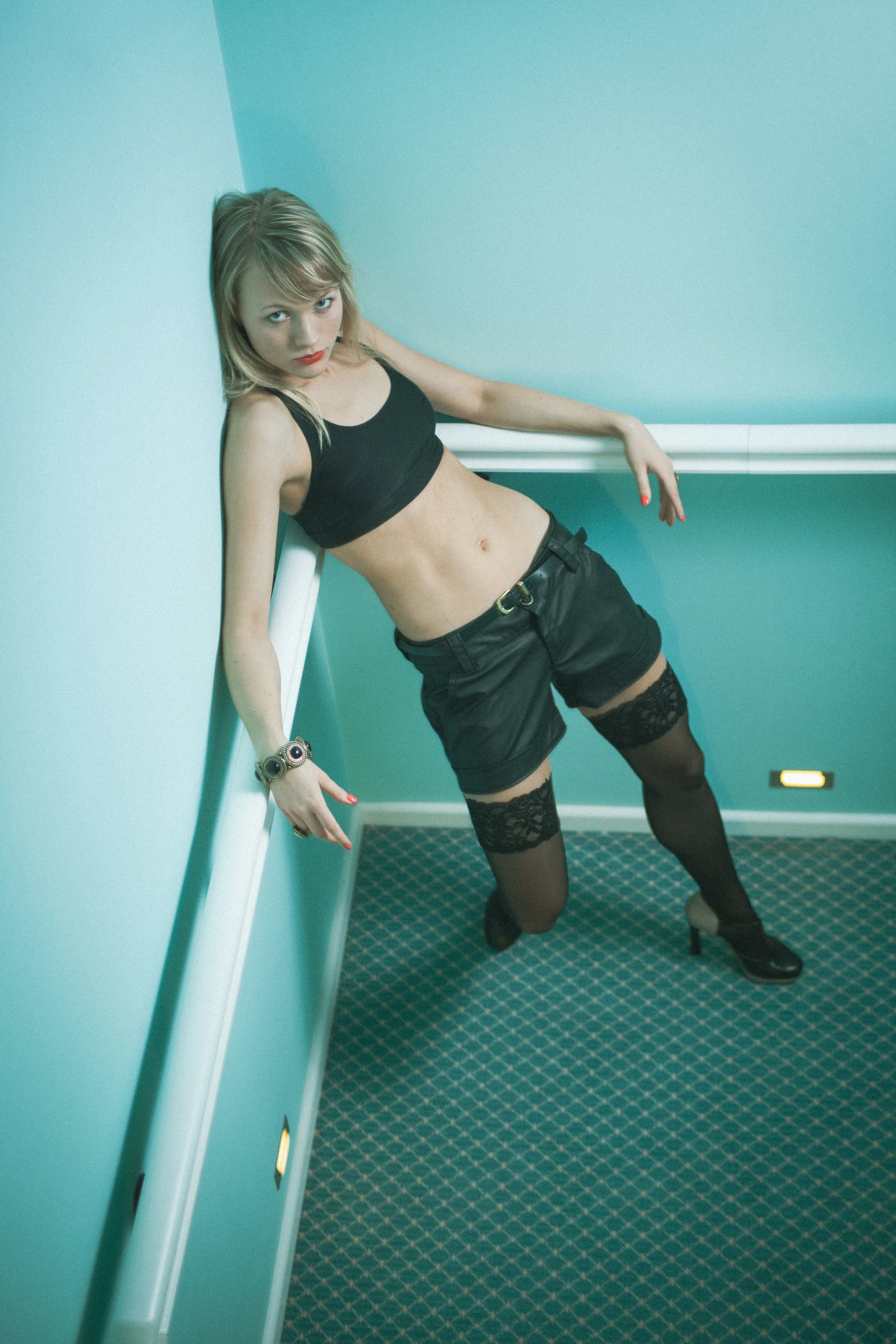
One of the biggest misconceptions in photography is that you need an extraordinary location to create extraordinary images. In reality, the environment often plays a supporting role. The true impact of a photograph comes from how the model interacts with the space.
Some of the strongest portraits are created in places most people would simply walk past a plain room, a blank wall, an empty hallway or a sparsely furnished apartment. These environments may seem uninspiring at first glance, but they offer something incredibly valuable: simplicity. Without visual clutter competing for attention, the model becomes the natural focal point.
Posing is what breathes life into an otherwise ordinary setting.
Every pose should complement the architecture rather than fight against it. If the room is filled with clean horizontal and vertical lines, introducing flowing curves through the body creates an engaging contrast. If the environment already contains strong geometric shapes, the model can either mirror those forms for harmony or deliberately oppose them to create visual tension.
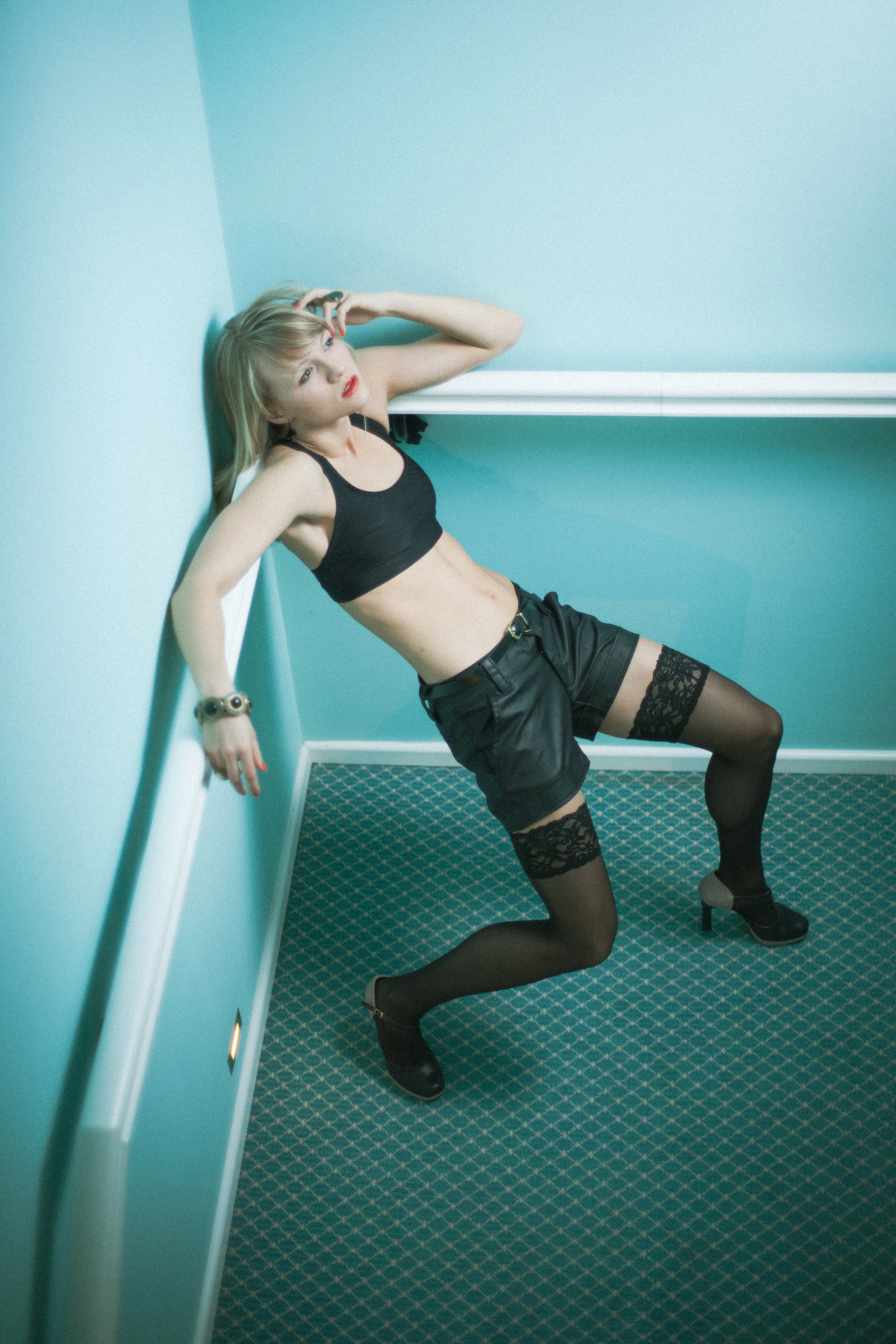
Movement is equally important. A static pose in a plain room often feels exactly that static. Even subtle changes, such as shifting weight onto one leg, extending a hand towards a window or turning the shoulders away from the camera, introduce energy into the frame. Small adjustments create rhythm and help the photograph feel more natural.
The face remains the emotional centre of the image. An expression can completely transform how a viewer interprets a simple environment. Curiosity, confidence, serenity or quiet contemplation all change the mood without requiring elaborate props or dramatic scenery. When the expression feels genuine, even the most modest location can become compelling.
Light should always influence the pose. Rather than placing the model randomly within a room, position them where the available light enhances their features and creates depth. Window light, directional light or subtle shadows can sculpt the figure and add dimension to an otherwise flat interior. Sometimes moving just half a metre closer to the light source makes the difference between an ordinary photograph and a memorable one.
Negative space is another powerful tool. A plain wall or empty floor is not wasted space, it gives the composition room to breathe. It isolates the subject, directs the viewer's attention and creates a clean, modern aesthetic that allows the pose to stand out.
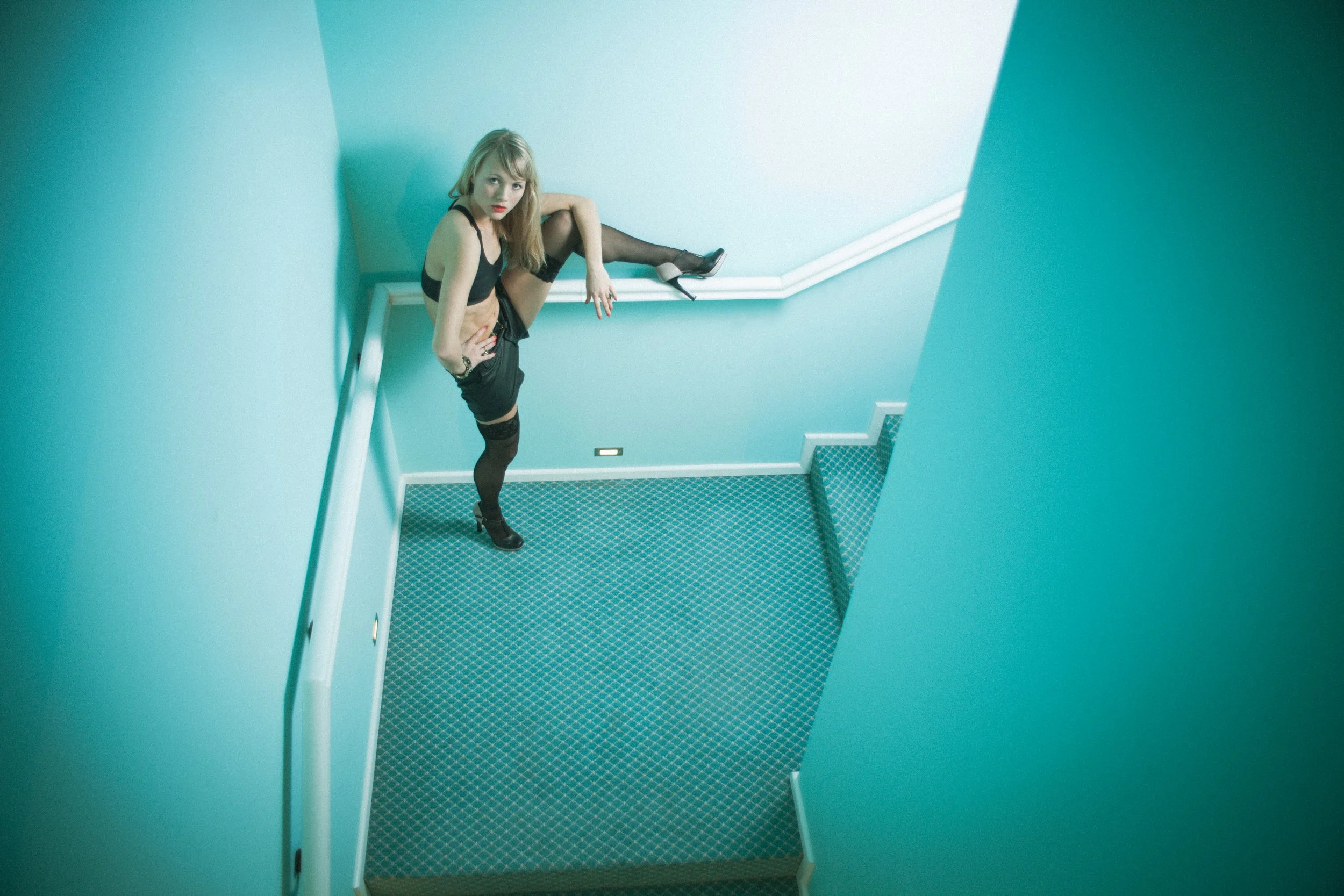
The best photographers rarely ask, "How can I make this location more interesting?" Instead, they ask, "How can I use this location to strengthen the pose?"
That's the difference between documenting a place and creating an image.
A great pose can turn a bland interior into a striking composition because it introduces shape, balance and emotion. When posture, expression, light and composition work together, the surroundings become part of the story rather than the story itself.
Ultimately, memorable photography isn't about finding perfect locations. It's about recognising the potential in ordinary spaces and using thoughtful posing to unlock it. With the right approach, even the simplest room can become a stage for photographs that feel elegant, intentional and timeless.
