
Creating Powerful Fine Art Nude Photography in Small Spaces.
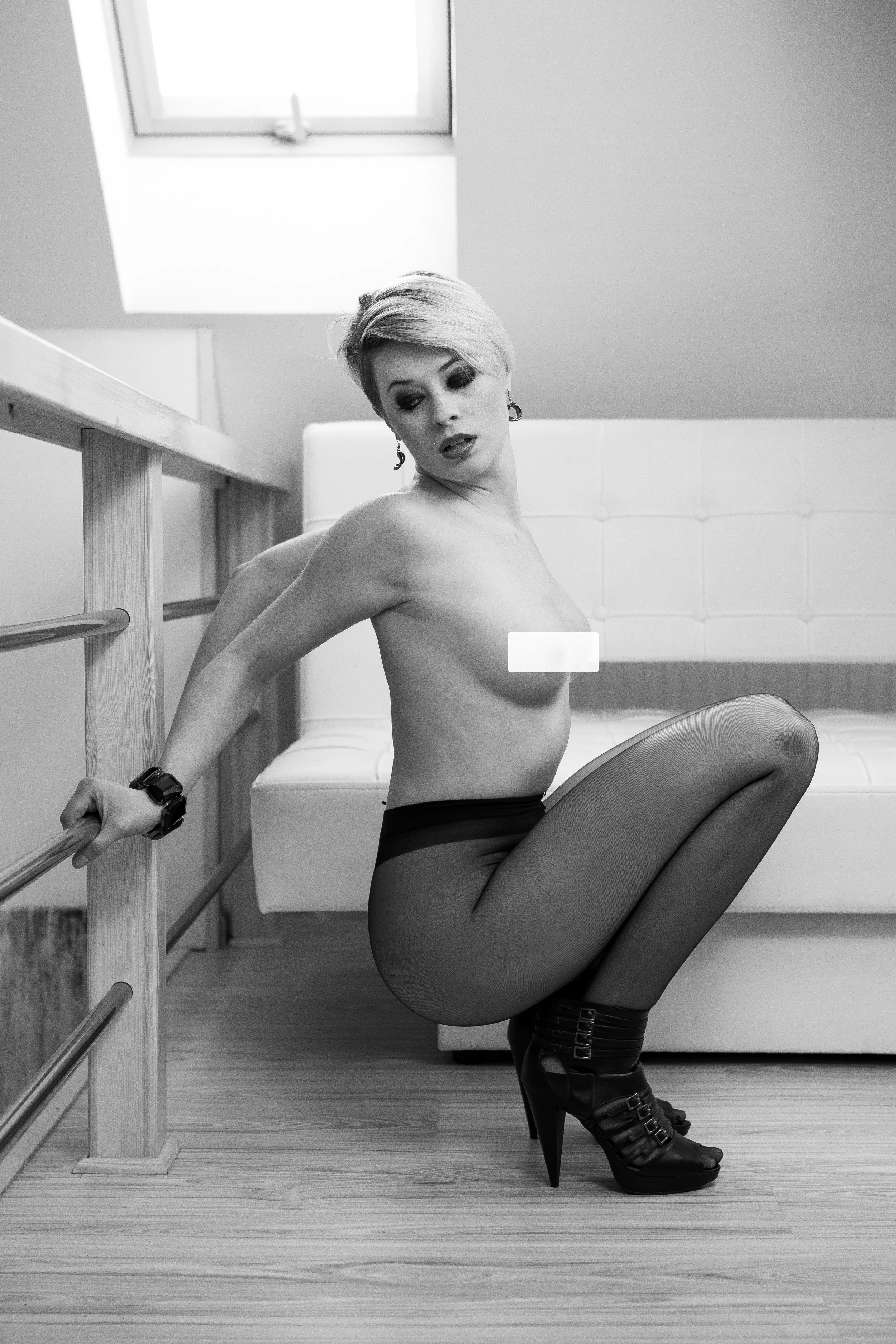
One of the biggest misconceptions in photography is that you need a large studio to create exceptional images. In reality, some of the most striking fine art nude photographs are made in the smallest of spaces. A modest room, a single window and an understanding of composition can produce images with far more impact than an expensive studio filled with lighting equipment.
Small interiors encourage photographers to simplify. Without unnecessary distractions, every element in the room becomes part of the composition. Walls, door frames, staircases, furniture and windows are no longer just architectural features; they become tools that help shape the image and direct the viewer's attention.
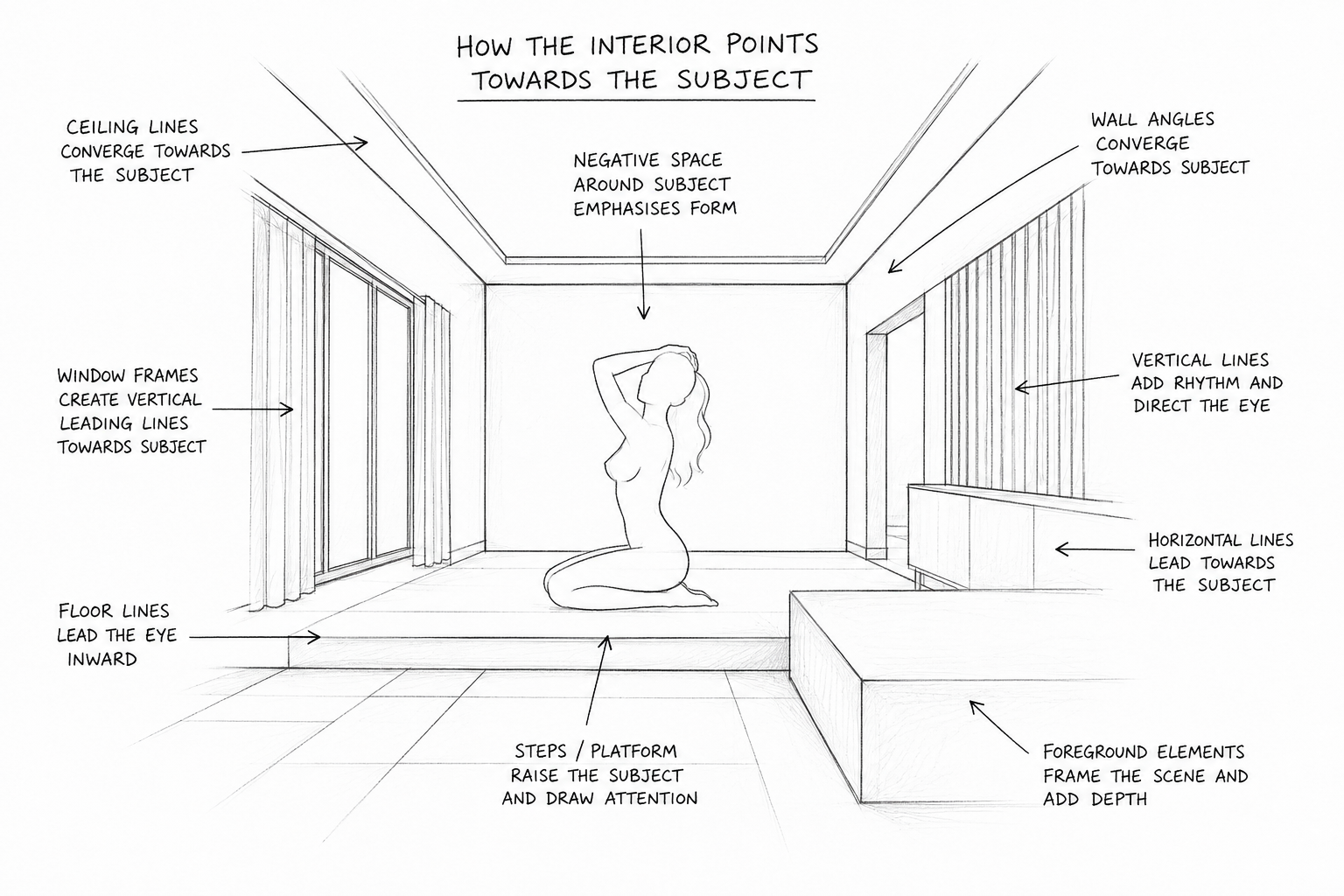
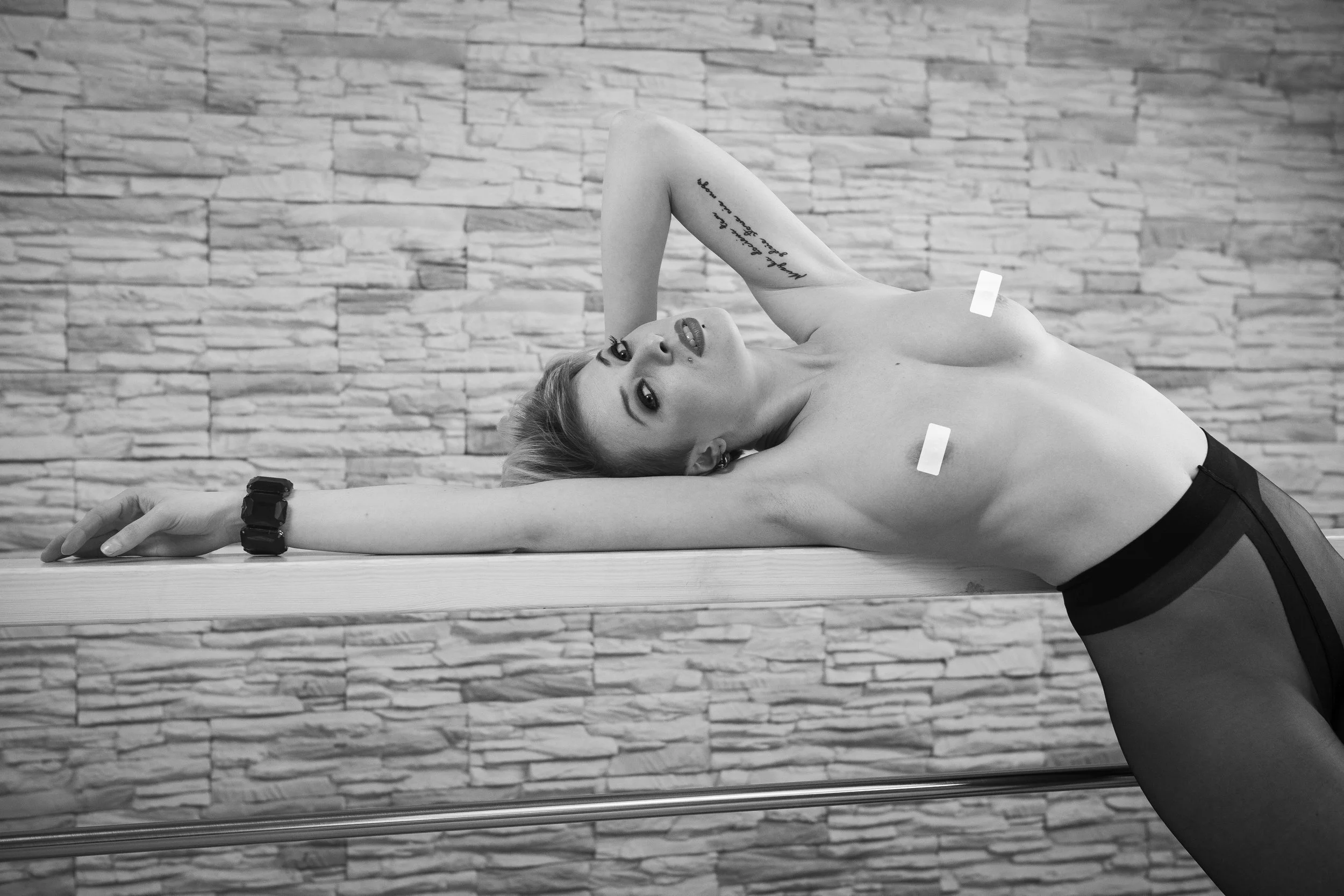
Leading lines are one of the most powerful compositional techniques available. Floorboards, window frames, ceiling details, wall edges and even the shadows they cast naturally guide the eye through the photograph. When these lines converge towards the model, they create a visual path that makes the subject feel connected to the environment rather than simply placed within it.
A well-designed interior often does much of the work for you. Strong geometry creates structure, while the soft curves of the human form provide contrast. This balance between sharp architectural lines and organic shapes creates visual harmony that immediately captures attention.
Natural window light is equally transformative. A single large window can become the only light source needed to create atmosphere and depth. As daylight passes through the room, it wraps around the subject, revealing form with soft highlights while allowing gentle shadows to define shape and texture. Unlike artificial lighting, window light changes throughout the day, offering endless opportunities to create different moods.
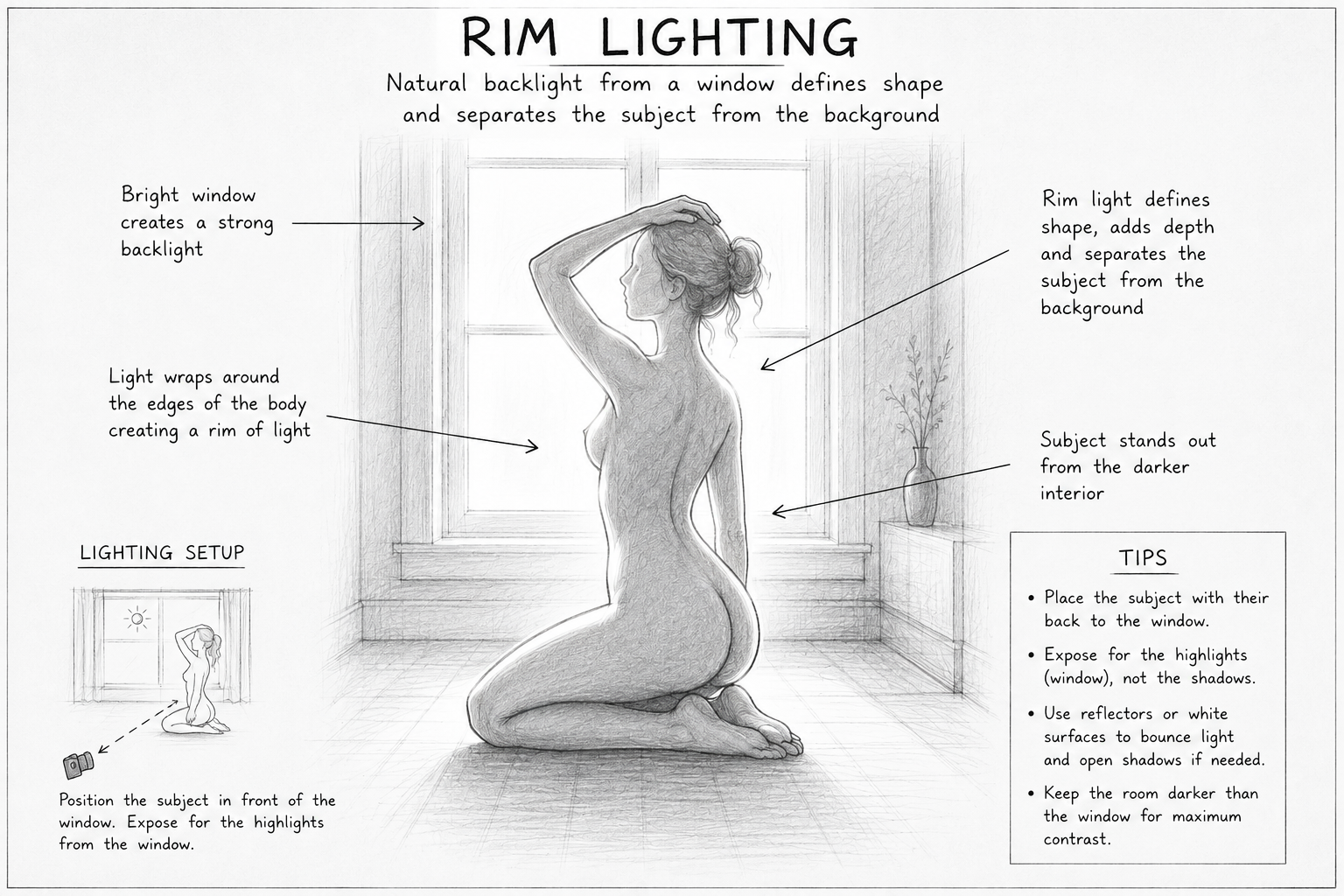
Positioning the model in relation to the window is crucial. Side light reveals texture and creates depth, while backlighting produces striking silhouettes and delicate rim light that separates the subject from the background. Even in a compact room, subtle changes in position can completely transform the feel of an image.
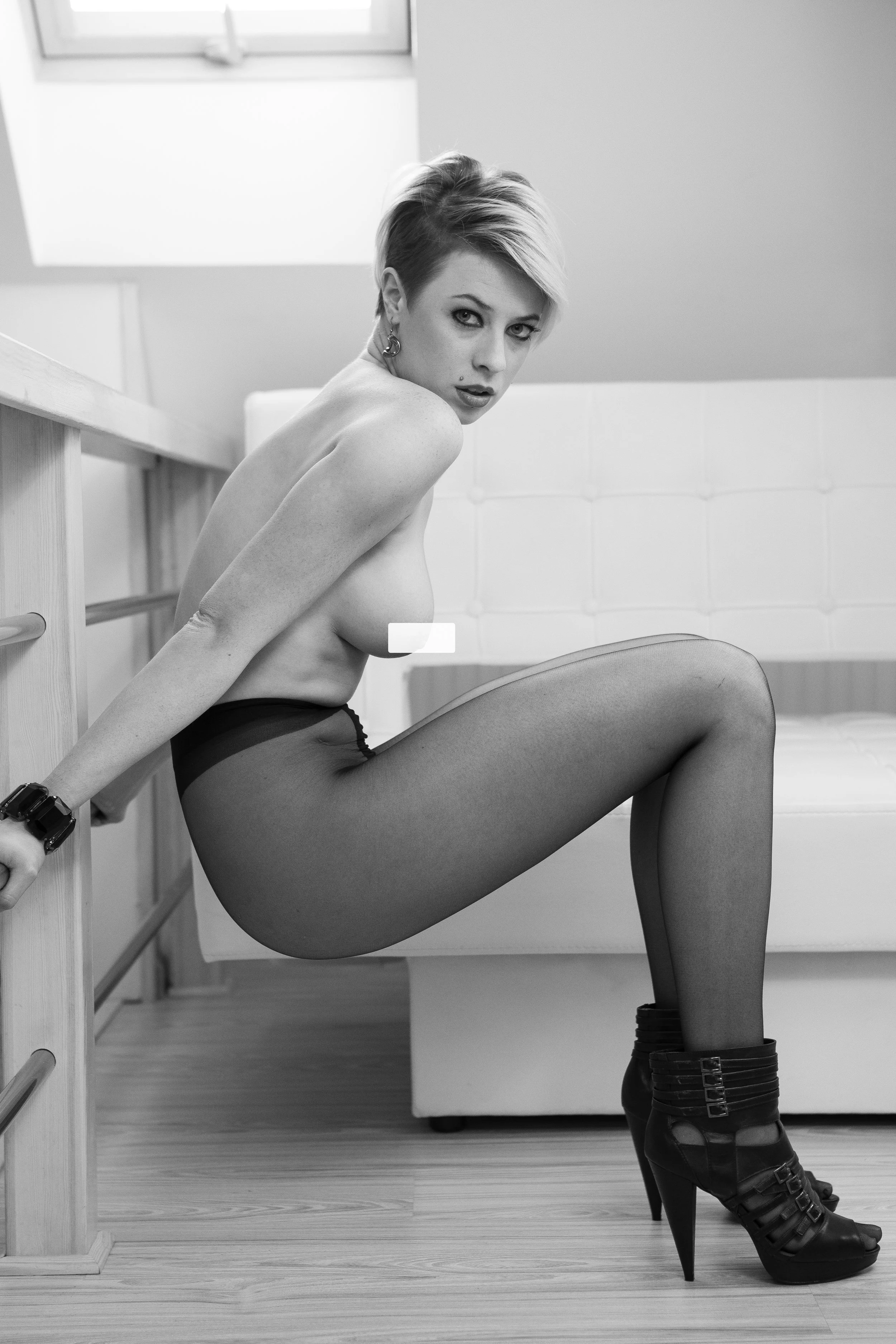
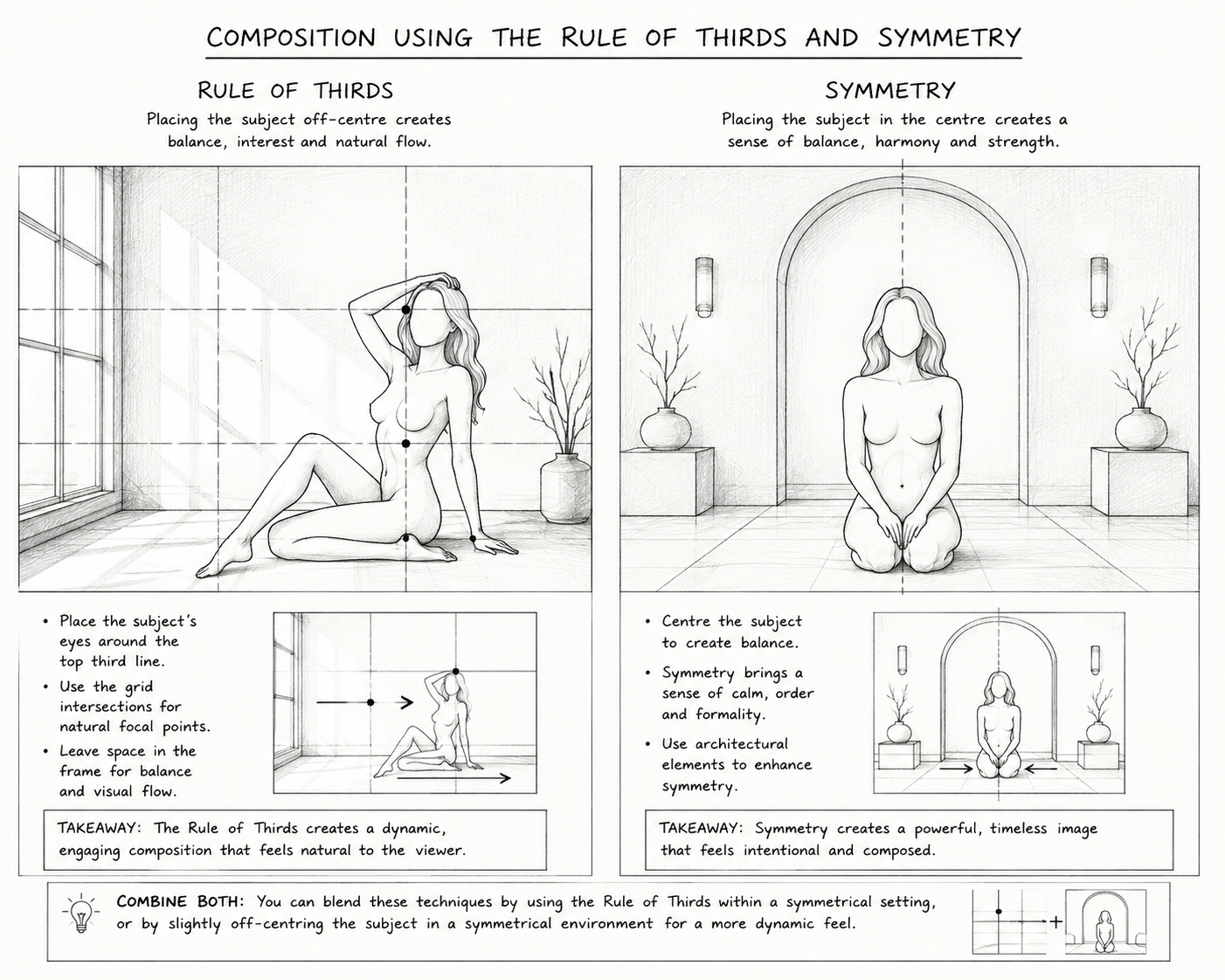
Working in limited space also encourages thoughtful framing. Instead of trying to capture everything, focus on what matters most. Allow architectural elements to frame the subject naturally, use negative space to simplify the composition, and avoid clutter that distracts from the story. Every object included in the frame should contribute to the final image.
Perhaps the greatest advantage of a small location is intimacy. The environment feels personal and controlled, allowing the photographer and model to work more deliberately. There is less emphasis on elaborate setups and more attention given to expression, body language and the interaction between light and space.
Ultimately, memorable fine art nude photography is rarely about the size of the studio or the amount of equipment available. It is about recognising the potential within the space you have. A single window, carefully observed light and thoughtful composition are often all that is needed to create photographs that feel elegant, timeless and emotionally engaging.
The best photographers don't wait for the perfect location, they learn to see extraordinary images within ordinary rooms. When leading lines guide the eye, natural light sculpts the subject and every element serves the composition, even the smallest interior can become the setting for truly remarkable fine art photography.
