
Brazil After Dark – Part I: Painting With Flash, Shaping With Shadow
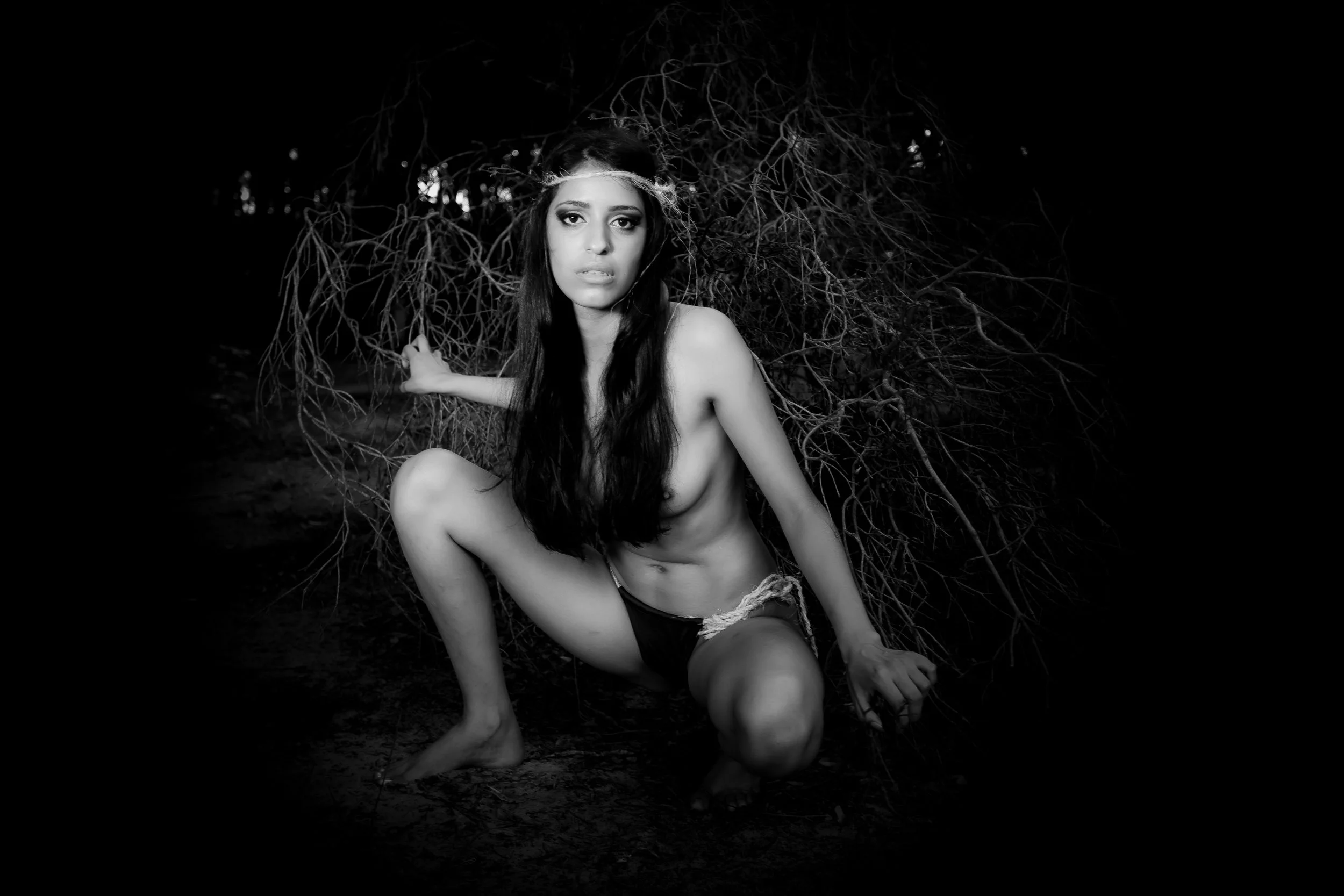
When people hear the word "flash," they often imagine a bright burst of light that removes every shadow and reveals every detail.
My goal was exactly the opposite.
This project became an exercise in using flash to protect the darkness rather than eliminate it.
Inspired by the atmosphere I experienced in Brazil, I wanted the photographs to feel cinematic as though the viewer had stumbled upon a fleeting moment instead of witnessing a carefully planned shoot. Achieving that illusion required an enormous amount of technical control hidden beneath apparent simplicity.
Every flash had a purpose.
Every light stood exactly where it needed to be.
Rather than flooding the scene with illumination, I built the photographs one small highlight at a time. A faint edge of light defining a shoulder. A narrow beam catching part of the face. A subtle reflection on textured walls. Everything else was allowed to disappear into shadow.
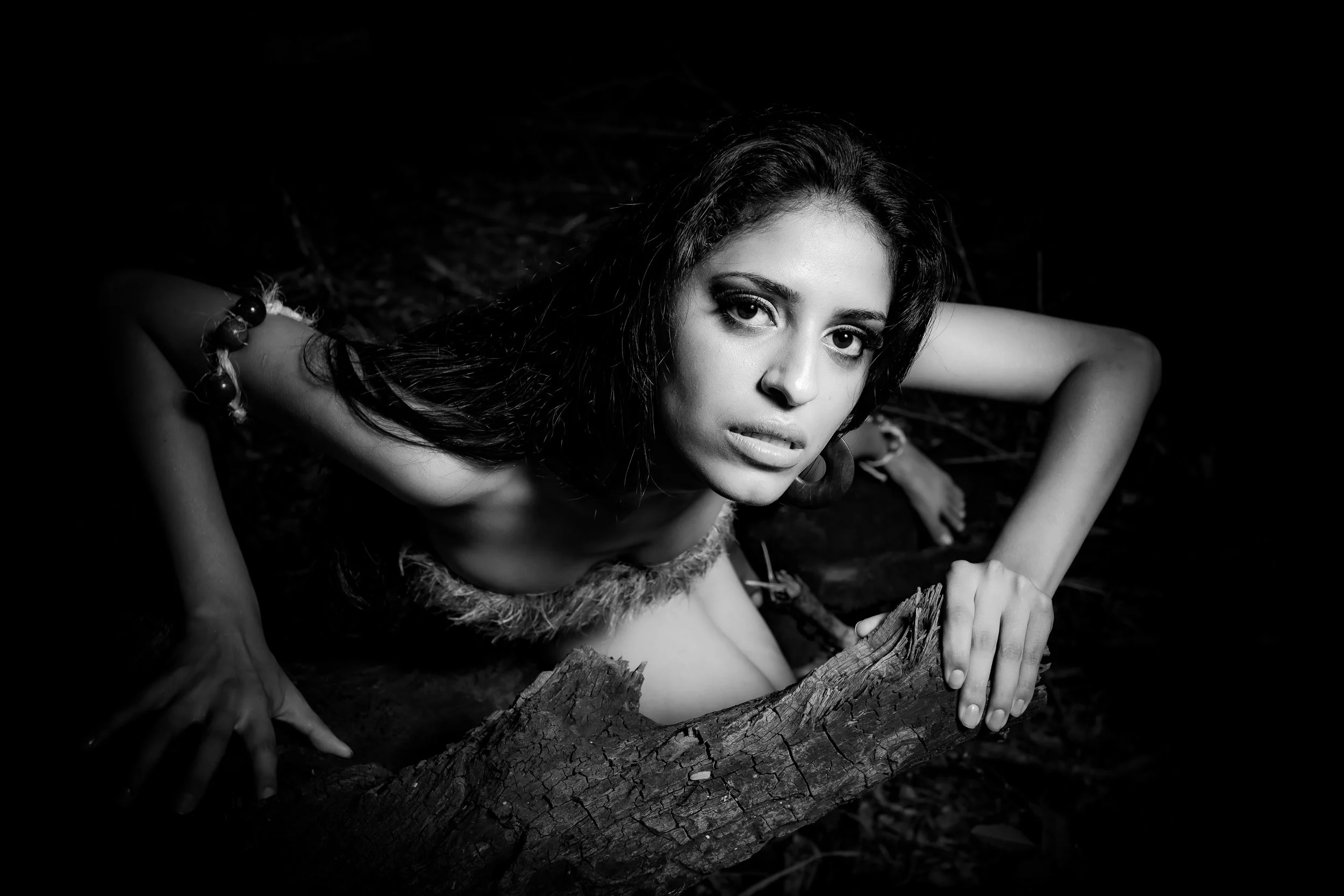
The absence of light became just as important as the light itself.
This approach demanded patience. Flash output, beam angle, modifiers, distance from the subject and ambient exposure all had to work together perfectly. A change of only a few centimetres could completely alter the mood of the image. Sometimes adding more light made the photograph weaker, while reducing it transformed the entire scene.
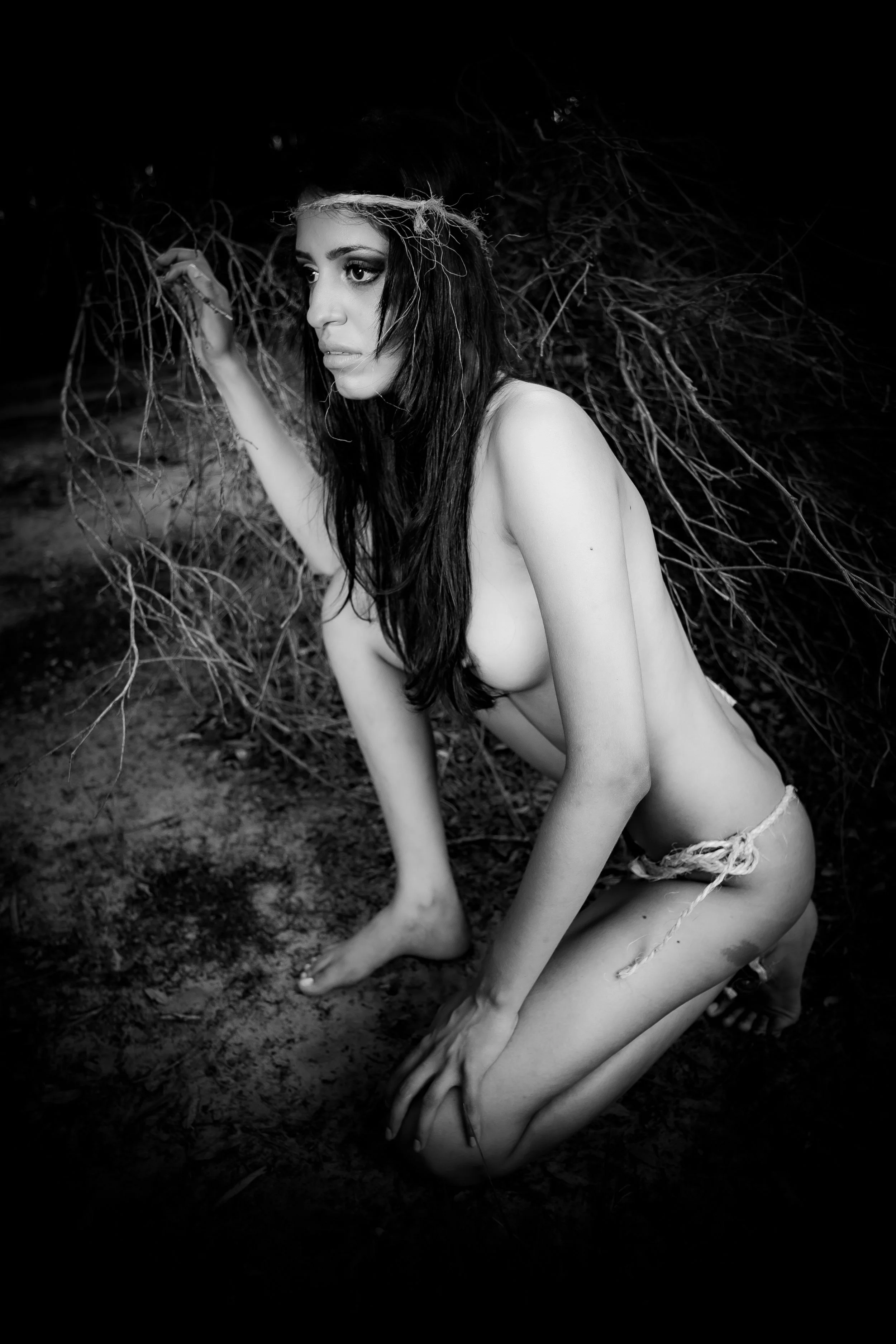
The beautiful model at the centre of the project became less of a subject and more of a visual anchor around which the light was sculpted. Her expressions remained calm and introspective, never competing with the environment but becoming part of it. Rather than dominating the frame, she existed within it, allowing darkness and carefully placed highlights to work together as equal partners in the composition.
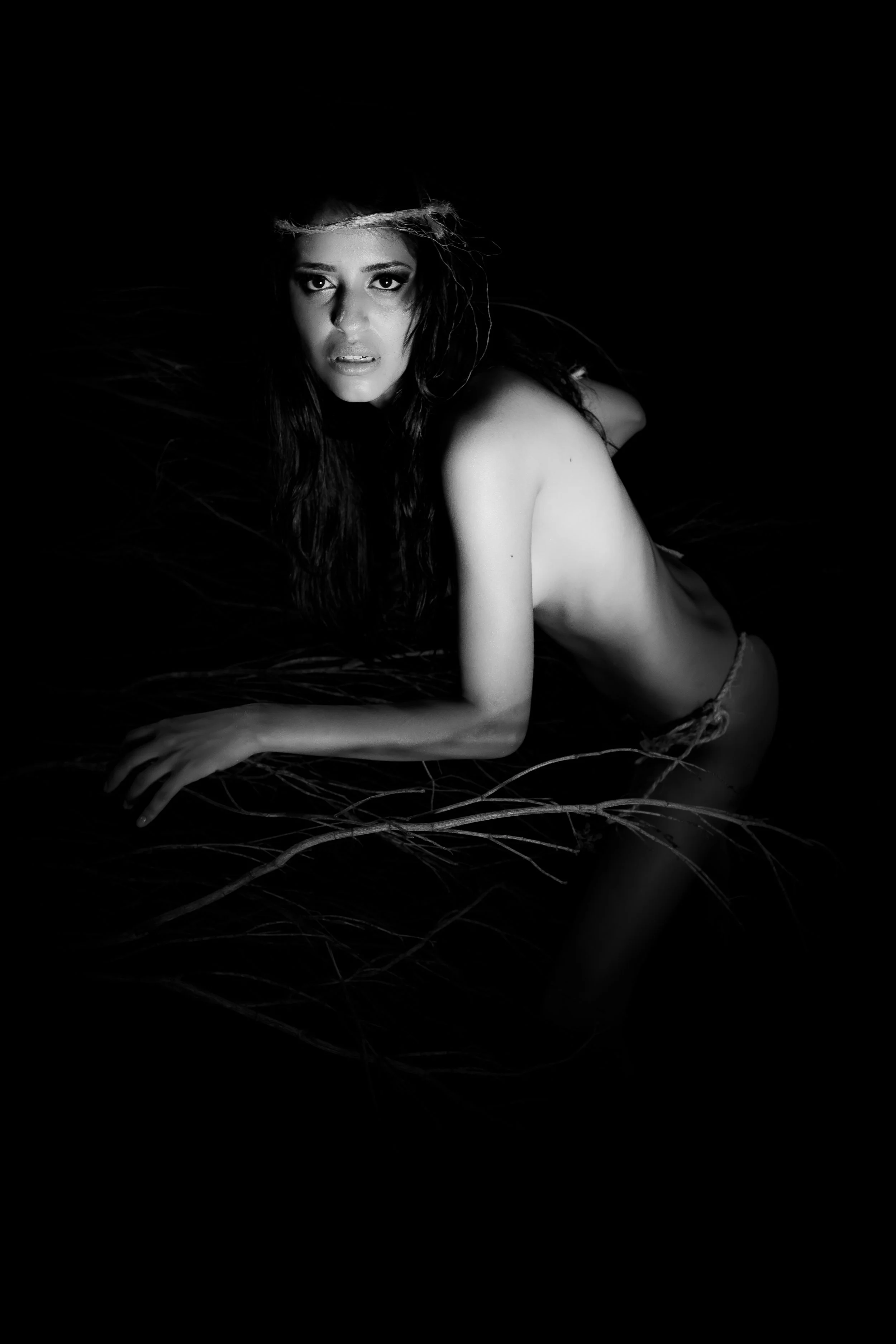
I wanted viewers to pause.
To wonder where the light was coming from.
To question what remained hidden beyond the edges of the frame.
Those unanswered questions create engagement. The eye travels through the photograph, moving between illuminated details before settling into darkness, where imagination quietly takes over.
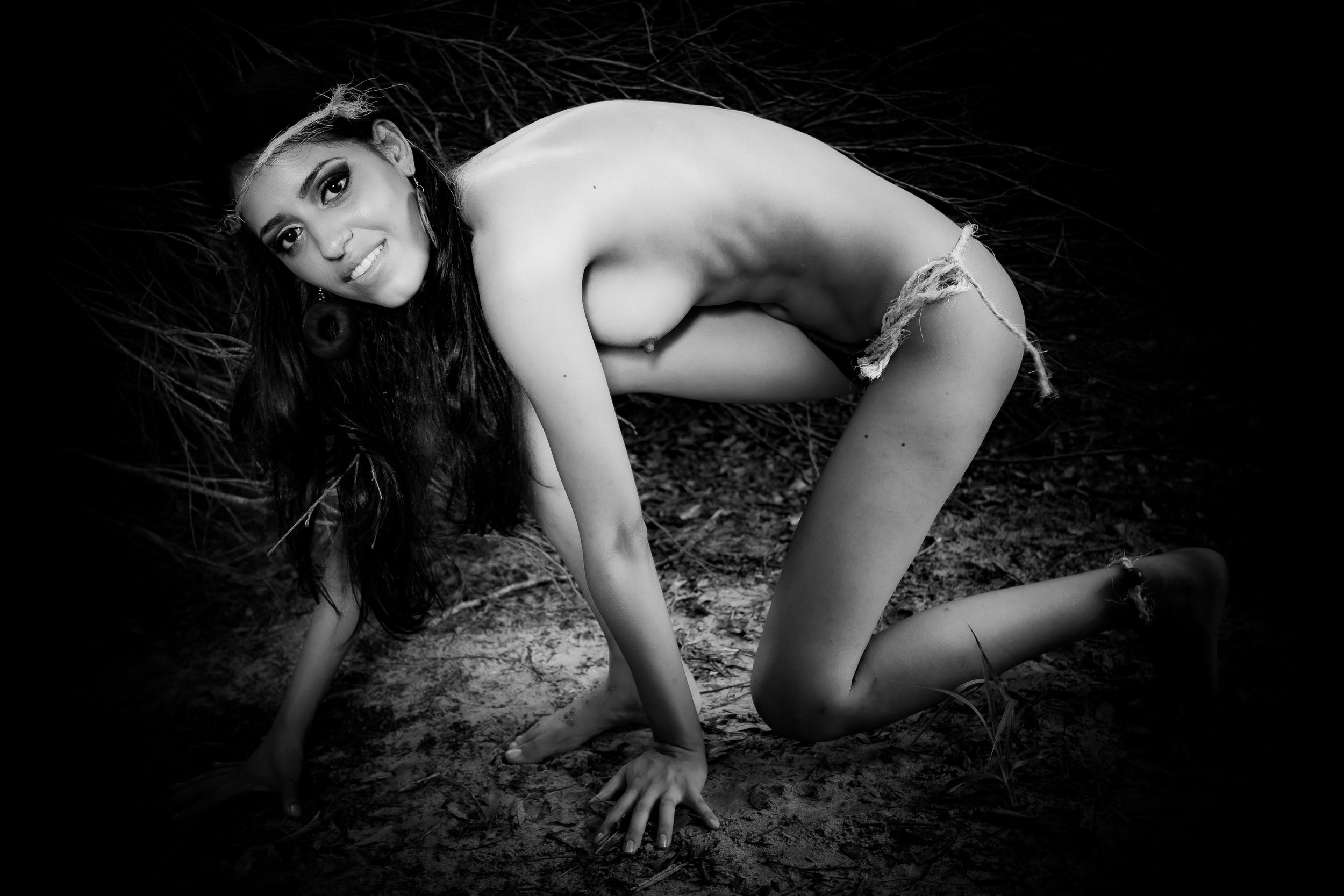
That, for me, is where photography becomes something more than documentation.
It's no longer about recording reality.
It's about constructing an emotional experience.
Brazil reminded me that inspiration rarely arrives as a finished idea. It appears as fragments, conversations, colours, music, architecture, confidence, movement and atmosphere. Back on location at night, those fragments slowly merged into a visual language built not around brightness, but around carefully controlled darkness.
The finished images may never reveal everything.
They're not supposed to.
Mystery has always been one of photography's greatest strengths. When light is treated as a brush instead of a floodlight, every highlight carries intention and every shadow carries meaning.
Sometimes the most powerful photograph isn't the one that shows the most.
It's the one that trusts the viewer to complete the story.
