
Brazil After Dark – Part II: Finding Inspiration Beyond the Obvious.
Some journeys begin with a destination. Others begin with a feeling.
My trip to Brazil wasn't simply about photography. It was about immersing myself in a culture that refuses to exist in half measures. Every street seemed to pulse with rhythm, every conversation carried warmth, and every sunset felt like nature reminding you that colour is only one language light can speak.
Brazil has a remarkable way of making you slow down. It encourages observation rather than consumption. I found myself spending hours watching how afternoon light reflected from painted buildings, how silhouettes formed against the Atlantic horizon and how darkness arrived gradually, never suddenly. It wasn't the famous landmarks that inspired me, it was the ordinary moments hiding between them.
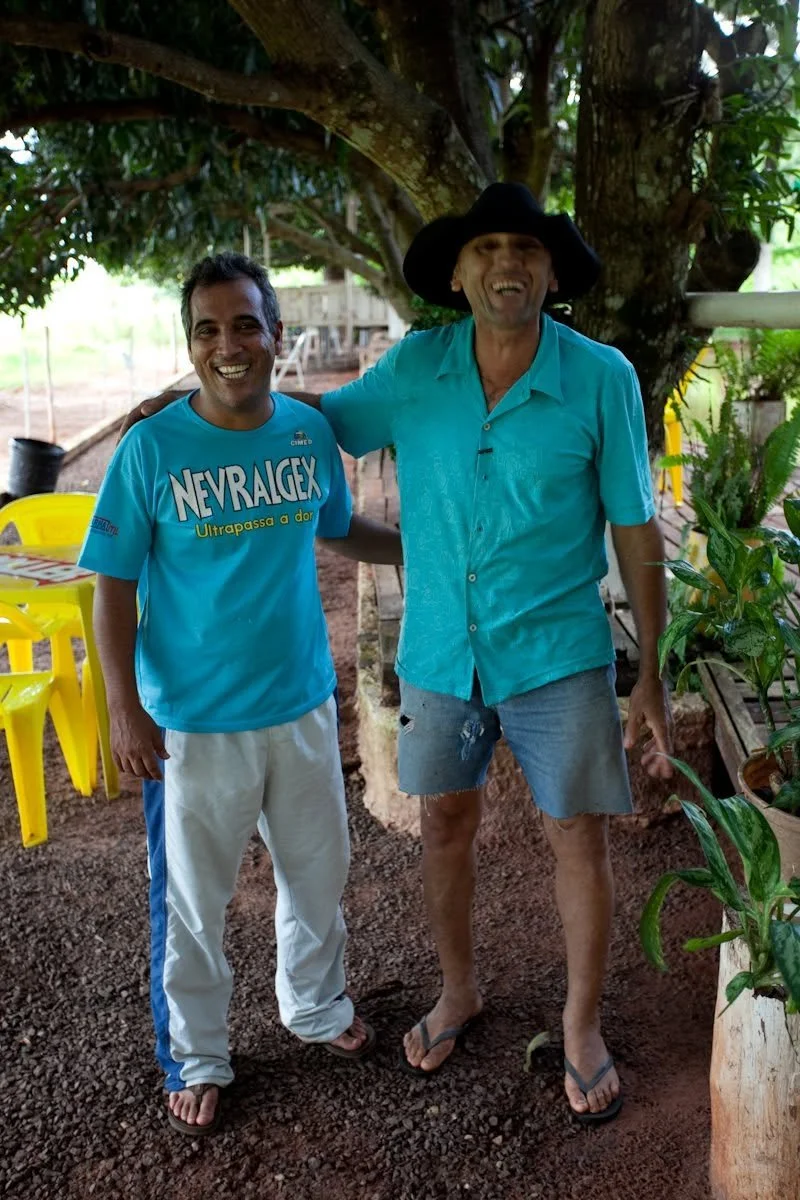
The people became part of that inspiration.
There is a confidence that seems deeply woven into Brazilian culture. Not arrogance, but comfort. A willingness to occupy space naturally, to move without self consciousness and to express emotion without apology. Watching that confidence made me rethink portraiture entirely.
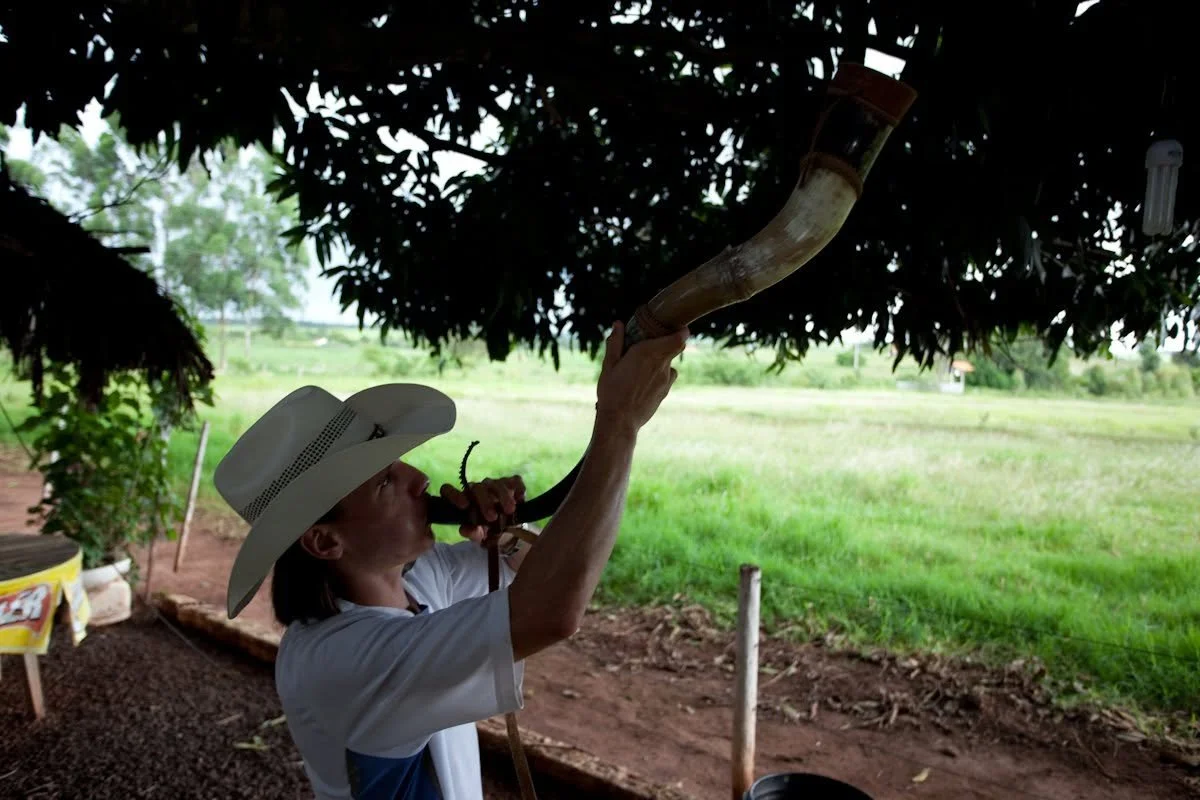

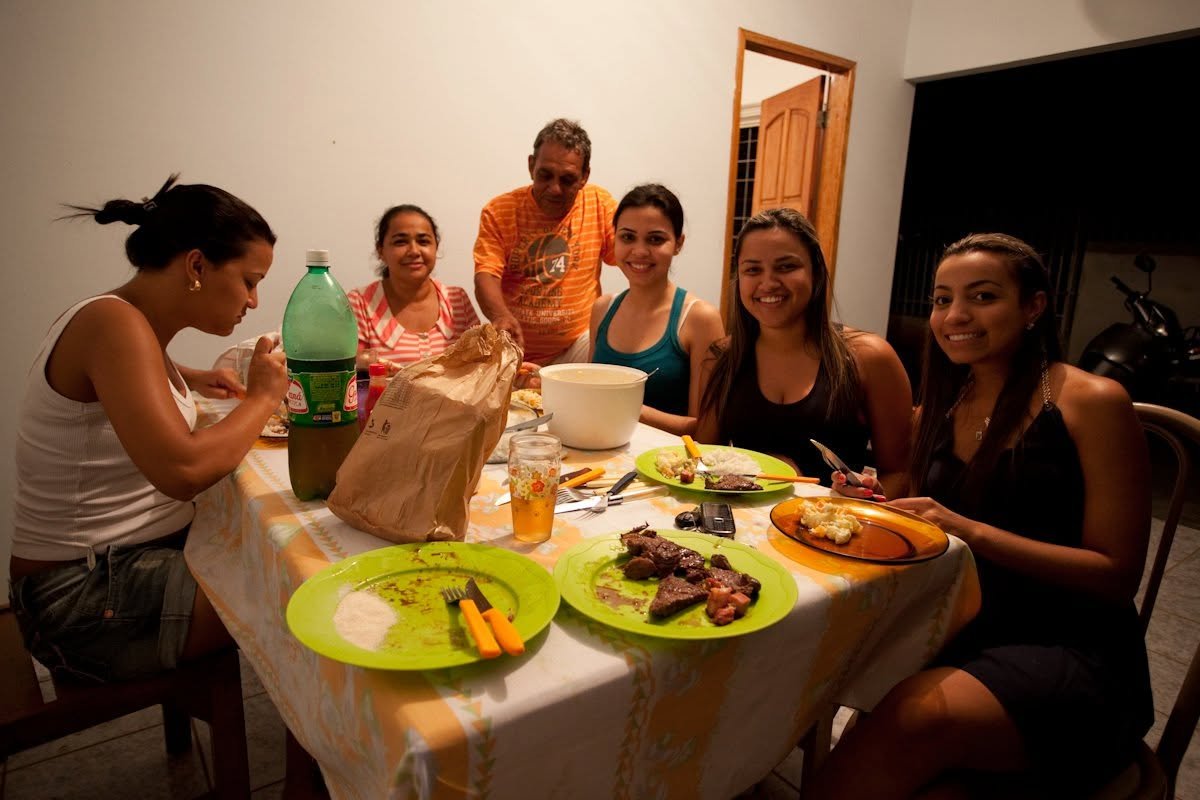
I knew I didn't want to recreate Brazil literally. Photography is at its strongest when it interprets an experience rather than documents it. Instead, I wanted to capture the emotions I had carried back with me the mystery of unfamiliar streets, the quiet confidence I had observed, and the way darkness in Brazil never seemed empty. It always contained possibility.
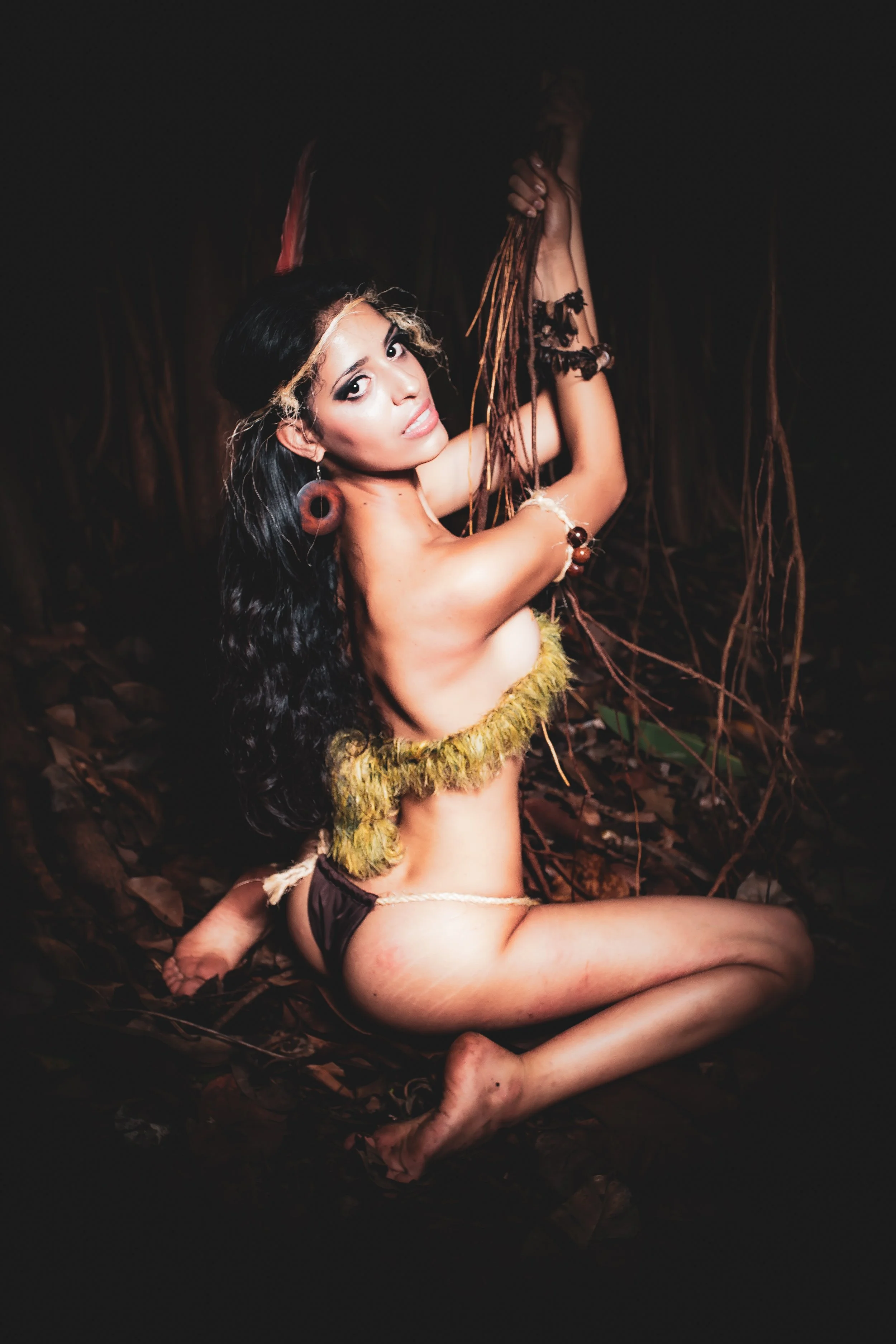
That became the foundation for a two-part night photography project.
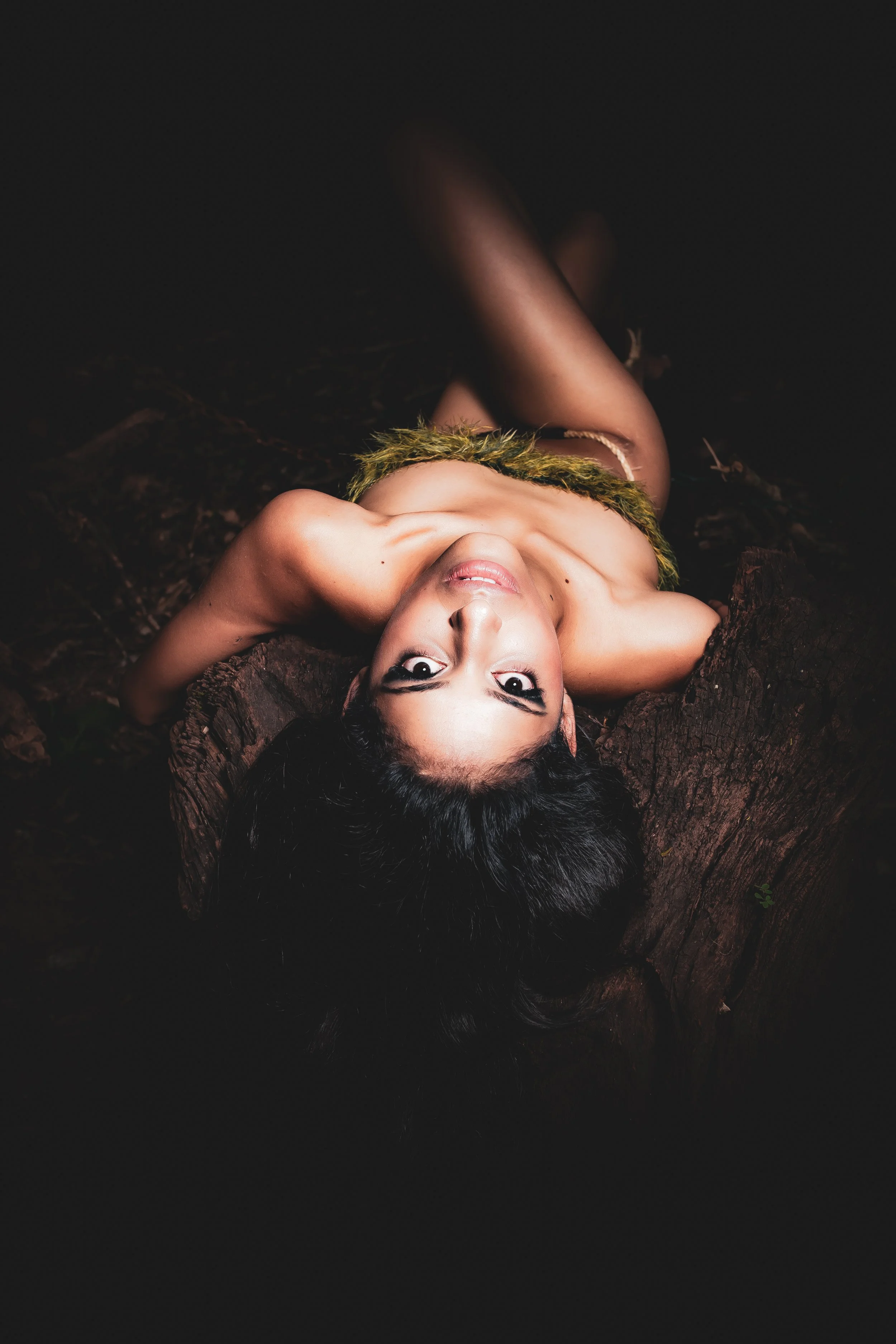
The model wasn't there simply to pose. She became a character moving through imagined spaces inspired by memory rather than geography. Every expression was understated, every gesture deliberate, every frame asking more questions than it answered.
The challenge wasn't finding enough light.
It was deciding how little I actually needed.
Darkness became part of the composition instead of something to overcome. Rather than revealing everything, I allowed large areas of the frame to disappear into shadow. The viewer's imagination completed what the camera intentionally left unseen.
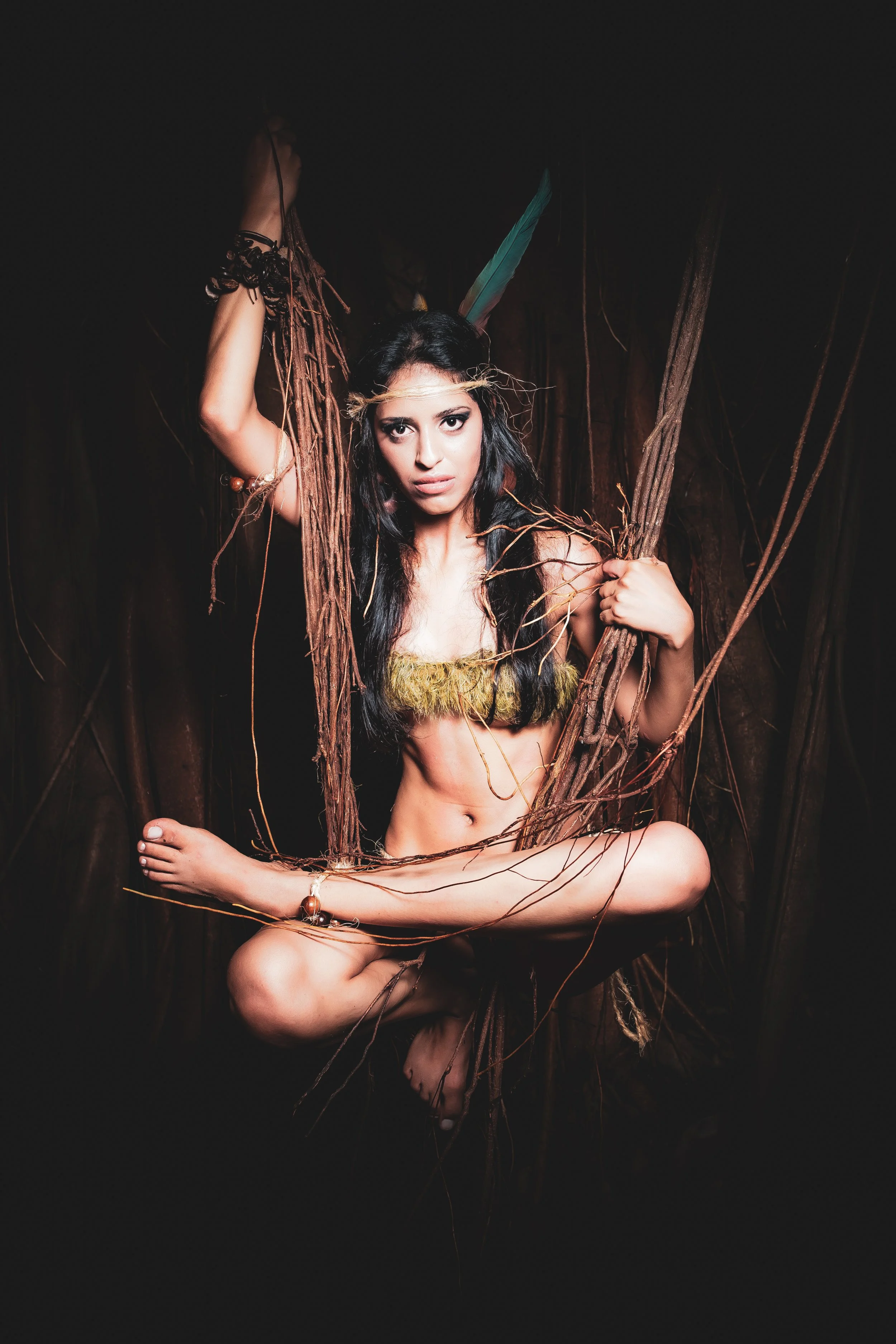
That restraint was directly inspired by Brazil.
Sometimes the most memorable experiences aren't the ones we see most clearly. They're the ones we remember only in fragments the sound of distant music, warm evening air, reflections on wet streets and faces illuminated for only a brief second before fading back into darkness.
Photography can work in exactly the same way.
A great image doesn't explain everything.
It invites the viewer to return again and again, discovering something new each time they look.
