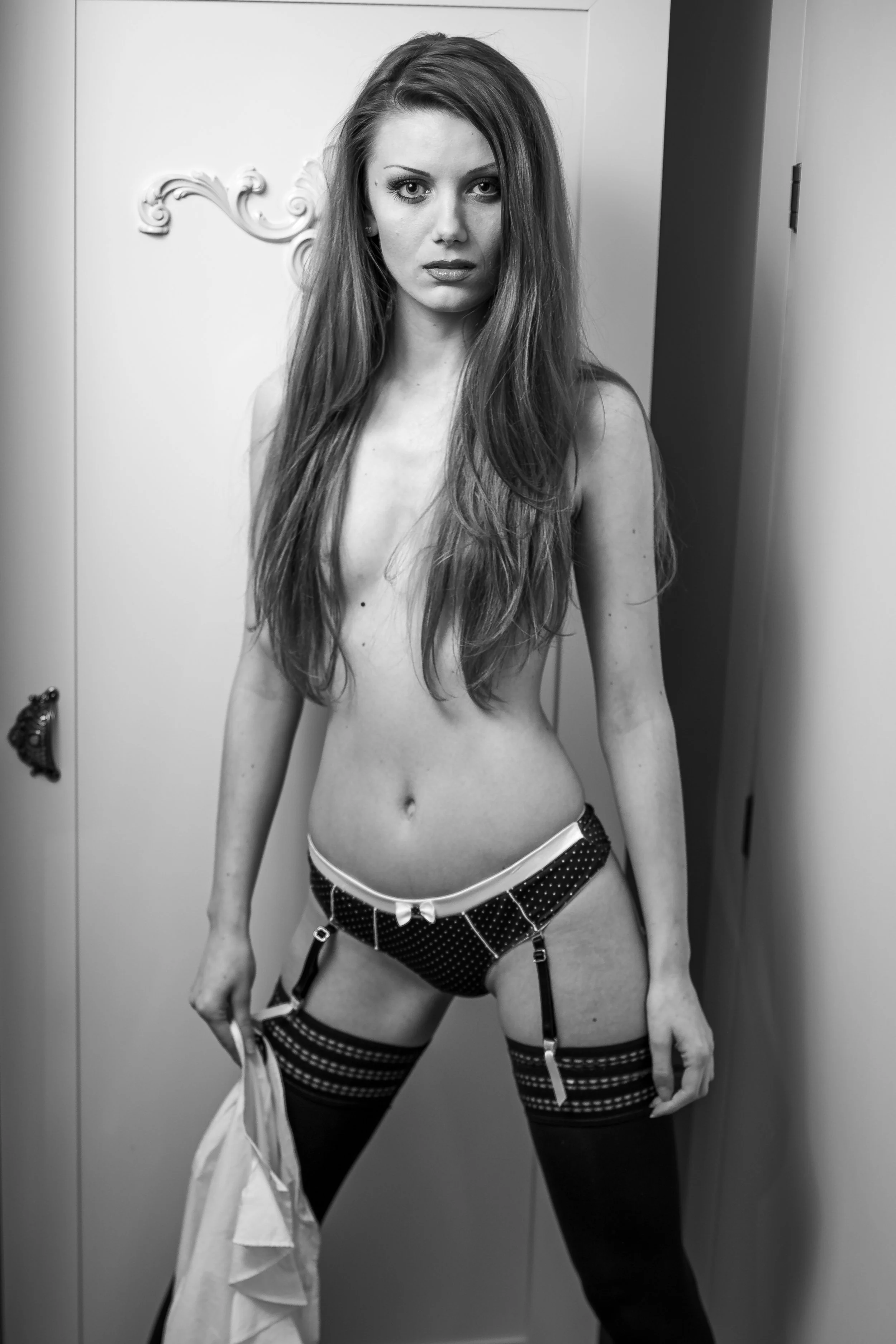
The Art of Making Four Walls Feel Like Forty: Nude Photography in a Limited Space.
If you enjoyed my previous article, “Creating Powerful Fine Art Nude Photography in Small Spaces”, this is the natural next chapter, expanding on the same philosophy with a different creative perspective.
There comes a point in every photographer's life when they dream of sprawling villas, endless lofts with floor to ceiling windows, and studios the size of small aircraft hangars.
Then reality arrives.
Reality usually looks like a London flat where taking two steps backwards means you're now standing in the hallway, balancing on one foot, wondering if you can somehow shoot through the wardrobe.
The good news? Small spaces aren't your enemy. In fact, they're often where the most intimate and memorable photographs are made. The secret isn't owning a bigger room but rather learning to see a smaller one differently.
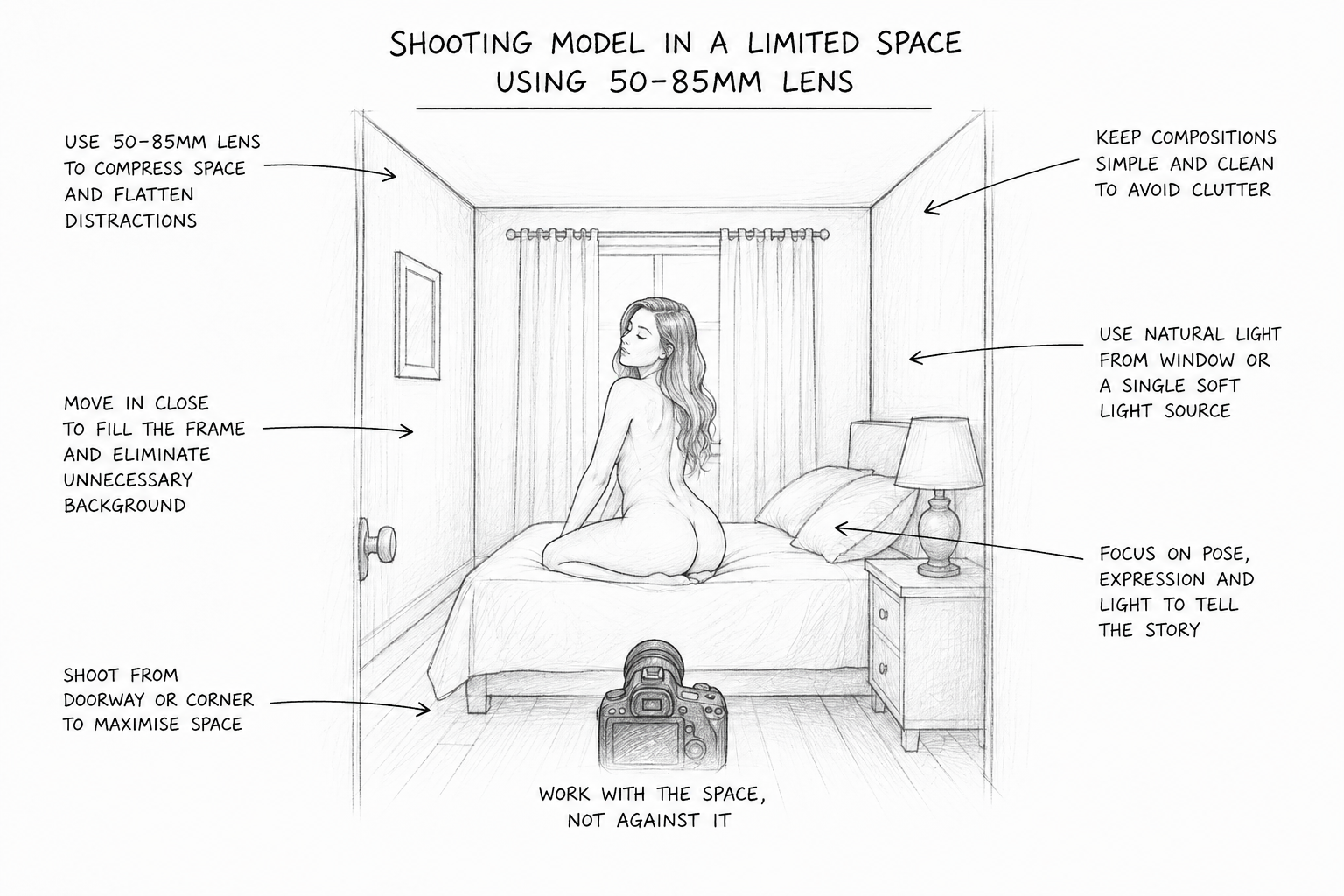
A 50mm to 85mm lens is almost perfect for this. Rather than exaggerating every inch of the room like a wide angle lens, these focal lengths compress perspective slightly and naturally encourage you to simplify. Instead of photographing the room, you're photographing the story happening inside it and that little change in thinking makes an enormous difference.
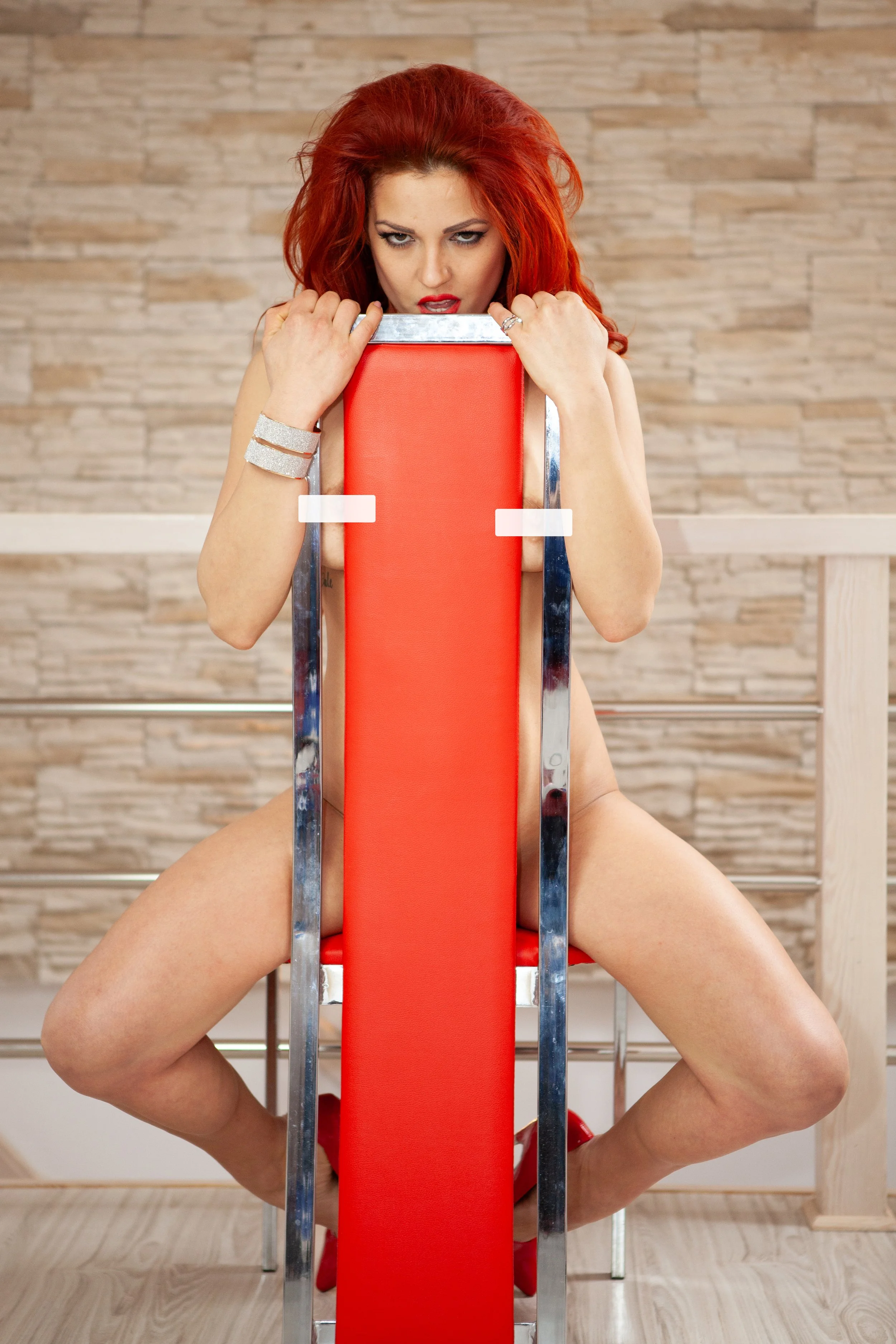
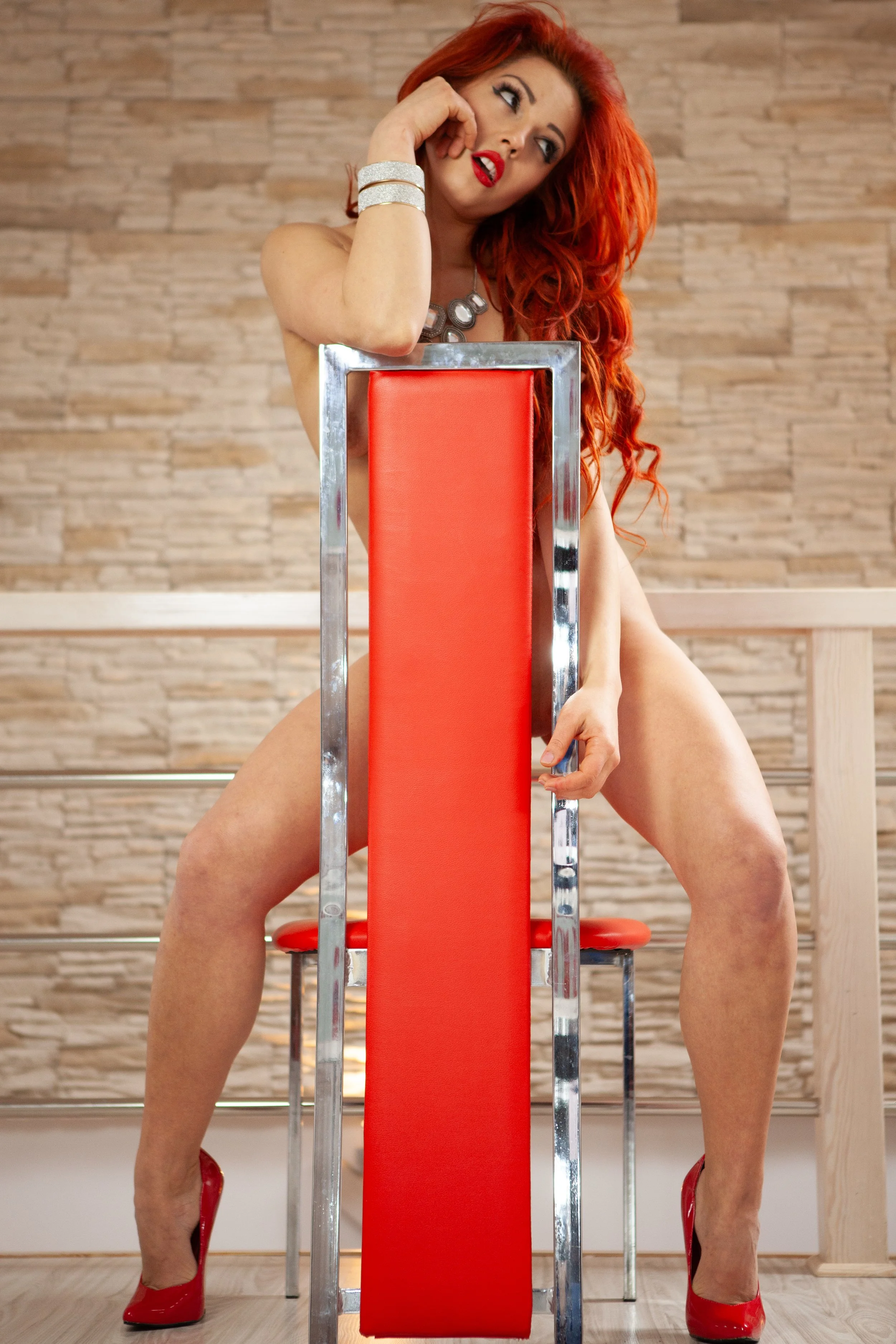
I often joke that my photography isn't about finding beautiful places but it's about convincing people that I found one. Sometimes that means walking around a local second hand furniture shop until something ridiculous catches my eye.
One day it was an old red leather metal chair that looked like it had witnessed more than a fair share of lap dances, a poker tournament, and perhaps the fall of the 80’ galas period.
Did I need another chair?
Absolutely not.
Did it become one of my favourite props?
Absolutely.
That lonely chair transformed ordinary small space into scenes. Suddenly the model had somewhere to lean, stretch, curl up, or simply exist naturally. One object gave the image purpose without demanding attention.
That's the trick with props.
Use them like seasoning.
Nobody wants soup made entirely from salt.
A single interesting chair, an old mirror, textured curtains, a vintage lamp or even a simple blanket can create atmosphere. Fill every corner with decorative objects and suddenly your viewer is playing "Where's Wally?" instead of looking at your subject. Less really is more.
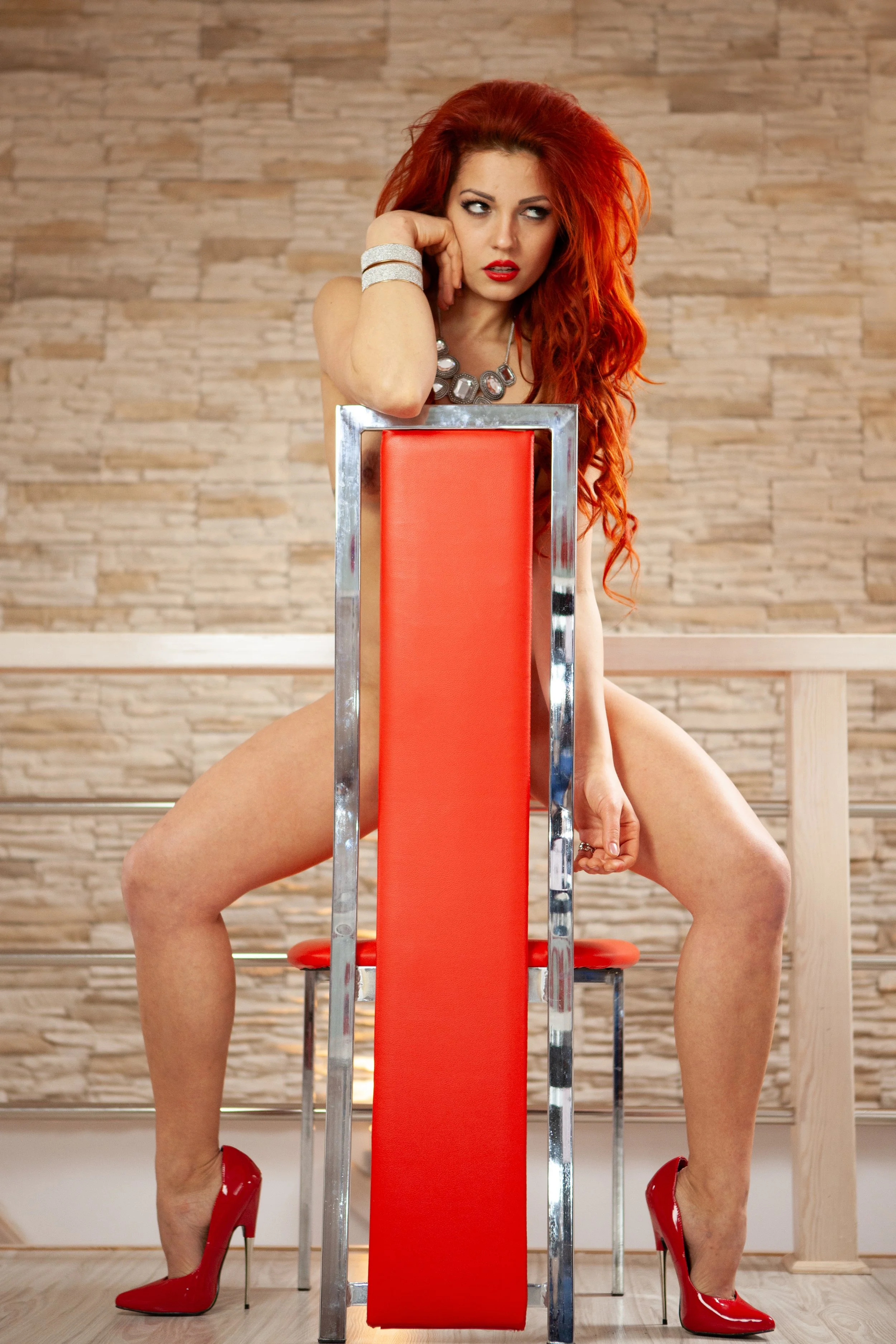
Limited spaces also force you to become far more deliberate with composition. Instead of endlessly wandering around searching for an angle, you begin noticing tiny changes. Half a step left, crouch slightly, shoot through the doorway, use the bed as foreground, let the curtains frame the model.Suddenly you're making photographs instead of merely taking them.
Light becomes simpler too, one window is often enough, one soft flash bouncing off a white ceiling doeas a great job, one carefully placed shadow can say far more than three expensive lights all competing for attention.
Ironically, constraints make us more creative because they remove endless choices.
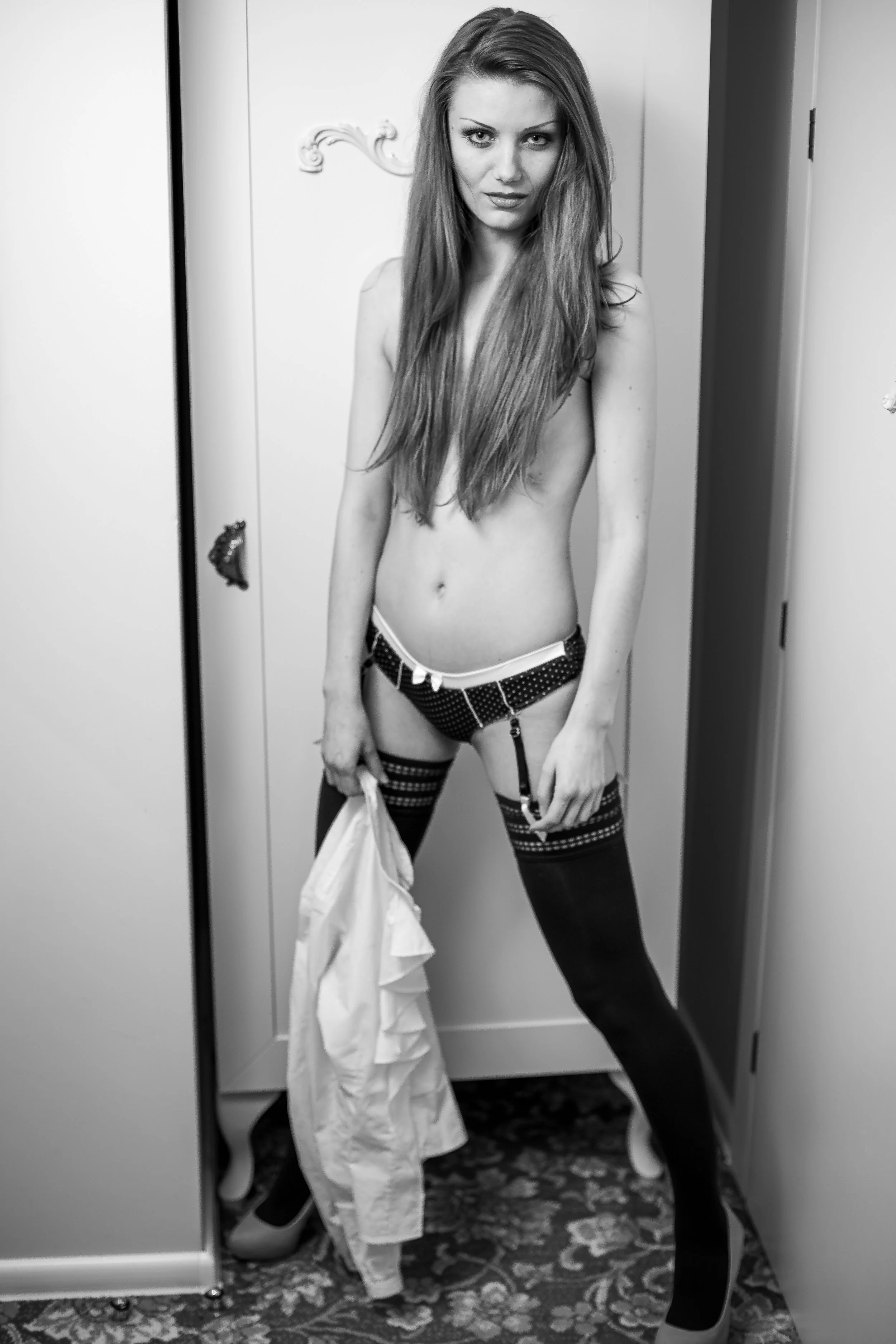
One of the greatest advantages of working in a confined space is that it encourages you to embrace intimacy rather than fight against it. Instead of constantly trying to fit an entire body into the frame, move closer. Let shoulders disappear beyond the edge, allow knees to be cropped, and don't be afraid if the frame feels tight around your subject. In this context, those close constraints aren't compositional mistakes, they're deliberate creative choices. A compressed perspective draws the viewer's attention to expression, gesture, texture and light, creating images that feel immediate and immersive. By accepting that not every photograph needs to show everything, you give the imagination room to participate, often producing work that feels far more powerful than a perfectly framed full-length portrait.